513 responses |
| About the Author Yuri Gold Coast 21st June 2007 8:56pm #UserID: 69 Posts: 2 View All Yuri's Edible Fruit Trees |
||||||||||||||||
Matthew Gray says... I have built a raised veggie patch using recycled bricks. I'm no bricklayer (just ask my wife!) but the garden edge is up to five bricks high, and forming a robust, water proof and termite-free edge. Every piece of timber lying in our yard has termites in it, including all the hardwood sleepers that made up the previous garden edges. One of the tricks is to put no mortar between the bricks, just butt them up close; this allows any excess water to drain away without rotting the plants, extra important in our hot wet summers (or at least the hot wet summers we used to have!). | About the Author Matthew Gray Caboolture, Qld 21st June 2007 9:50pm #UserID: 70 Posts: 1 View All Matthew Gray's Edible Fruit Trees |
|||||||||||||||
|---|---|---|---|---|---|---|---|---|---|---|---|---|---|---|---|---|
Kath says... I did this the other way around as I needed a retaining wall and split it in two to include a raised garden bed in the middle of the walls. Rocks were our choice of material, at $16 per tonne they work out about the same price as bricks by the time they are laid. Termite proof and gorgeous. It is fantastic, has excellent drainage and weeding is no longer a back breaking chore as there is no bending and in the summer there are plenty of strawberries to enjoy along the length. I grow lots of greens, lettuce, cabbage and herbs, with my strawberries and flowers. The added bonus is that my frogs love it, I have at least six different types of ground dwelling and tree frogs in residence.
| About the Author Kath Cawongla 22nd June 2007 9:45am #UserID: 2 Posts: 363 View All Kath's Edible Fruit Trees |
|||||||||||||||
Reply |
| Remember to
LIKE this Answer(0)
LIKE this Question (1)
People who Like this Question Naikii | ||||||||||||||||
| About the Author Correy Woolloongabba 22nd June 2007 11:13am #UserID: 3 Posts: 493 View All Correy's Edible Fruit Trees |
||||||||||||||||
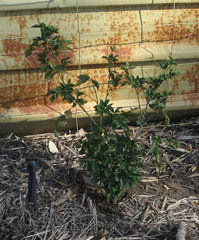
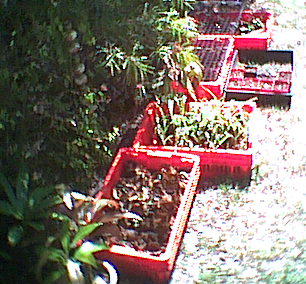
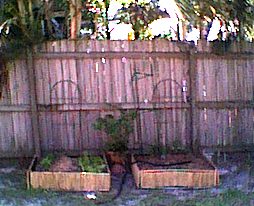
Gibbo says... We have raised garden beds. Saves on the back later on. We used 1/2 garden soil and 1/2 mushroom compost. I tested the soil out on two 20m rows of murraya plants I planted first. I have included the pictures so you can see the difference. Both were planted at the same time and were the same size given the same amount of water and are 4m apart.
| About the Author Cedar Vale 22nd June 2007 2:30pm #UserID: 1 Posts: View All 's Edible Fruit Trees |
|||||||||||||||
Jan says... In response to Yuri. My garden beds are made from 200 x 50 mm treated hardwood sleepers. Treated will last longer than untreated. I've used 100 x 75 treated hardwood on the inside corners that I have drilled and bolted to hold them together. I have the corner uprights at 600mm high. The beds are one sleeper high at the moment but after each crop I will raise them by another sleepr with more compost and soil. My beds will be 600mm high to help with the back problems for the latter years. The next garden beds that I do I am going to make the uprights at 1800mm high. This way I can use them as the braces for trellis work. Hope this helps. You can make garden beds out of just about anything. You just have to have immagination. I've seen one that was made out of beer bottles compoed together and concreted on the inside edge. Very effective and different. The bottoms of the bottles were facing outwards. THe person admitted it was great drinking the beer to get the empties. And there wasn't any extra cost eccept for some cement and sand. As he already was a drinker. Now he is a recycler also. | About the Author Jan5 Bundamba Qld. 22nd June 2007 9:51pm #UserID: 88 Posts: 25 View All Jan5's Edible Fruit Trees |
|||||||||||||||
| About the Author Dave3 24th June 2007 8:51pm #UserID: 91 Posts: 9 View All Dave3's Edible Fruit Trees |
||||||||||||||||
Jan says... Dave. I realise treated sleepers contain poison to do the job of repelling pest infestation. Unfortunately, most foods grown (whether it be vegies , fruit, meat or poultry) are treated with a poison of some form to reach maturity for sale. All treated foods have a withholding period before being released for human consumption. It would be nice to be able to grow or buy all food totally organic, but as a pensioner I can't afford to. As I said in my previous notes, garden beds can be made out of anything. Only limited by our imagination or pocket.I think if treated sleepers were going to poison us, it would have been found out by now and they would no longer be able to be sold to be used in our vegie gardens. Look at what they show about cigarette smoking and that doesn't deter many people at all. There are are a lot of things that people don't agree with in this world and this will probably be one of them. We can only try to do the best for ourselves. Everyones opinion helps each other to reach their own decision. Whether it be right or wrong. | About the Author Jan5 Bundamba 25th June 2007 6:40pm #UserID: 88 Posts: 25 View All Jan5's Edible Fruit Trees |
|||||||||||||||
DellDGM says... With regard to the treated sleepers - I spoke to the nurseries here (including a few stating to be organic friendly) when I went to make my vegies patches I had some old treated pine boards from a retaining wall that we took down when we extended our house and the general consensus (it only differed by the amount of years) that after being out in the weather for more than 2 years there would be no poisons left in them. Ours are about 13 years old now so well and truly poison free but yeat no sign of rot or breakdown - Old treated pine is quite cheap to pick up at garage sales and demolition sales so there is a cheap way to build a raised vegie patch. | About the Author Delldgm Adelaide 29th June 2007 12:10am #UserID: 129 Posts: 31 View All Delldgm's Edible Fruit Trees |
|||||||||||||||
Jan says... Hi Dell. Thank you for your input. I think timber is treated with different types of poison depending on what their use is going to be. Garden timbers Usually state CCA Treated. What the CCA stands for I don't know. I worked for a tile company 20 years ago and the wooden pallets that came in from overseas had to be treated against bug and vermon infestation. We were warned about these pallets not to use them in any fires not even for fireplaces and definately not in Barbys. The poison used in the pallets was very harmful to humans if the smoke when burned was breathed in. I've seen people have aviaries made from treated timber without any problem to the birds. As long as the birds are not of any of the hooked beak varieties. Hooked beak birds tend be chewers of timber. Pointy beak don't have a problem with it. But if anyone is worried about using treated timber, the easiest way is not to use it. I use the CCA treated sleepers and have no worries about doing so. HAPPY GARDENING EVERYONE. | About the Author Jan5 Bundamba Qld. 29th June 2007 8:42pm #UserID: 88 Posts: 25 View All Jan5's Edible Fruit Trees |
|||||||||||||||
Gourd says... CCA stands for the three ingredients it is made up from, Copper, Chromium, Arsenic. the cromium and arsenic are carcinogenic to humans so using it in a wet area like a vege bed is probably not a great idea :) a good alternative is redgum sleepers you can buy at bunnings or any recycled untreated hardwood timber, with so many options, why one would go for CCA is beyond me. | About the Author Gourd Victoria 9th July 2007 9:33pm #UserID: 117 Posts: 2 View All Gourd's Edible Fruit Trees |
|||||||||||||||
Suzy says... Hi there, This is directed to Matthew Gray (re the use of bricks as the walls, 5 bricks high) in the hope you might still read this a few weeks after your post - sorry to be a derr, but could you explain how you mean to 'butt them up' against each other? How does the wall stay upright, with the soil pressing against it from the inside of the garden bed - I'm sure there is a simple answer, but I would love to know a bit more! We have veggie beds that we built with untreated hardwood 4 years ago. Termites haven't got them yet, but I am sure either they, and/or the weather, will eventually break them down over the next 2 or 3 years. When that happens, it would be good to replace them with something as practical as reclaimed house bricks or similar. Thanks! | About the Author Suzy2 Coffs Harbour 25th July 2007 2:43pm #UserID: 175 Posts: 1 View All Suzy2's Edible Fruit Trees |
|||||||||||||||
Scott G says... (Suzy, I too would like to know how the bricks say up!) My vege garden is on a gentle slope so I hold the soil back with sleepers like a stair case with each step only one sleeper high. The sleepers are held back with stub star-pickets. Leeching of the poisons into my soil was a concern of mine so I bought old railway sleepers. I also like the rustic look of them. As an added bonus these old sleepers don’t have splinters. There are termites here-and-there in my garden and I am sure they have been nibbling at the sleepers. I didn't expect the sleepers to last forever so I made them easy to replace. But 4 years on they are still solid. | About the Author Scott G Gold Coast 27th July 2007 12:55pm #UserID: 44 Posts: 117 View All Scott G's Edible Fruit Trees |
|||||||||||||||
| About the Author Kath Cawongla 30th July 2007 12:15pm #UserID: 2 Posts: 363 View All Kath's Edible Fruit Trees |
||||||||||||||||
| About the Author Katrina2 nundah 31st July 2007 3:44pm #UserID: 193 Posts: 1 View All Katrina2's Edible Fruit Trees |
||||||||||||||||
| About the Author Jan5 Bundamba Qld 31st July 2007 11:13pm #UserID: 88 Posts: 25 View All Jan5's Edible Fruit Trees |
||||||||||||||||
Scott G says... I Might have got some 4 years ago from Preston Landscape Supplies. A year ago I got sleepers from Builders Depot (in Molendinar on The Gold Coast). They haven't always had them in stock. I would think it is just a matter of ringing around. When I bought 2 a year ago they had gotten very expensive and I had to wait for them to "come in". I was told they had become very popular and QLD rail had very little to distribute. The lot that I got some from had to come from NSW. They were longer and in very bad condition. | About the Author Scott G Gold Coast 1st August 2007 2:50pm #UserID: 44 Posts: 117 View All Scott G's Edible Fruit Trees |
|||||||||||||||
Paul says... I am interested in what people are saying about built up gardens. I am about to commence this method of gardening and I would like to know the best ingredients along with the Red soil from Alsonville. I intend making a base of sand with a black plaqstic over the top on a gentle slope to capture the excess water after it has perculated past the roots of the vegetable plants and being captured for re use. Has anyone ever used macadamia husks(ground) to include in the soil. | About the Author Paul3 Alstonville 10th August 2007 3:49pm #UserID: 217 Posts: 4 View All Paul3's Edible Fruit Trees |
|||||||||||||||
| About the Author 12 bilambil hgts 10th August 2007 7:01pm #UserID: 222 Posts: 2 View All 12's Edible Fruit Trees |
||||||||||||||||
ioian says... I used old railway sleepers from the cane train that was stopped when they closed the sugar mill on the sunshine coast - I was looking for ages for untreated sleepers and ended up buying them direct from the farmer who owned the tracks. Some timber places get them every now and then, but they are scarce. There are also concrete replicas they make now - $20 each though for about a metre long - ouch! There is an interesting US study into CCA. The conclusion of which is below. They say that the levels should be ok for adults but long time ingestion could be a problem. I don't think I would want to be ingesting Arsenic from home gardens - especially when growing vegies at home is mainly to avoid chemicals. Apparently CSIRO says that lining the garden with plastic is the way to go if you have CCA timber. --- Chromated copper arsenate–treated wood in raised garden beds diffused As, Cu, and Cr into adjacent garden soil. This study clearly showed that CCA-treated wood in service can be a local point source for elevated levels of As, Cu, and Cr in the environment and therefore existing structures may continue to be a problem. Results of the plant uptake study showed that vegetable crops grown in these raised garden beds can accumulate significant concentrations of As, but based on U.S. Public Health Service standards, these vegetables would be safe for human consumption. However, based on the USEPA's standard, some of the vegetable crops may not be safe for sustained consumption. The microbial resistance study clearly showed that the ability to establish colonies in CCA-amended media was greater in communities of bacteria from soils close to the treated wood compared with those from reference soils. These results suggest that long-term diffusion of As, Cu, and Cr away from aging CCA-treated wood surfaces may have ecological implications. | About the Author ioian sunshine coast 27th August 2007 11:44pm #UserID: 270 Posts: 2 View All ioian's Edible Fruit Trees |
|||||||||||||||
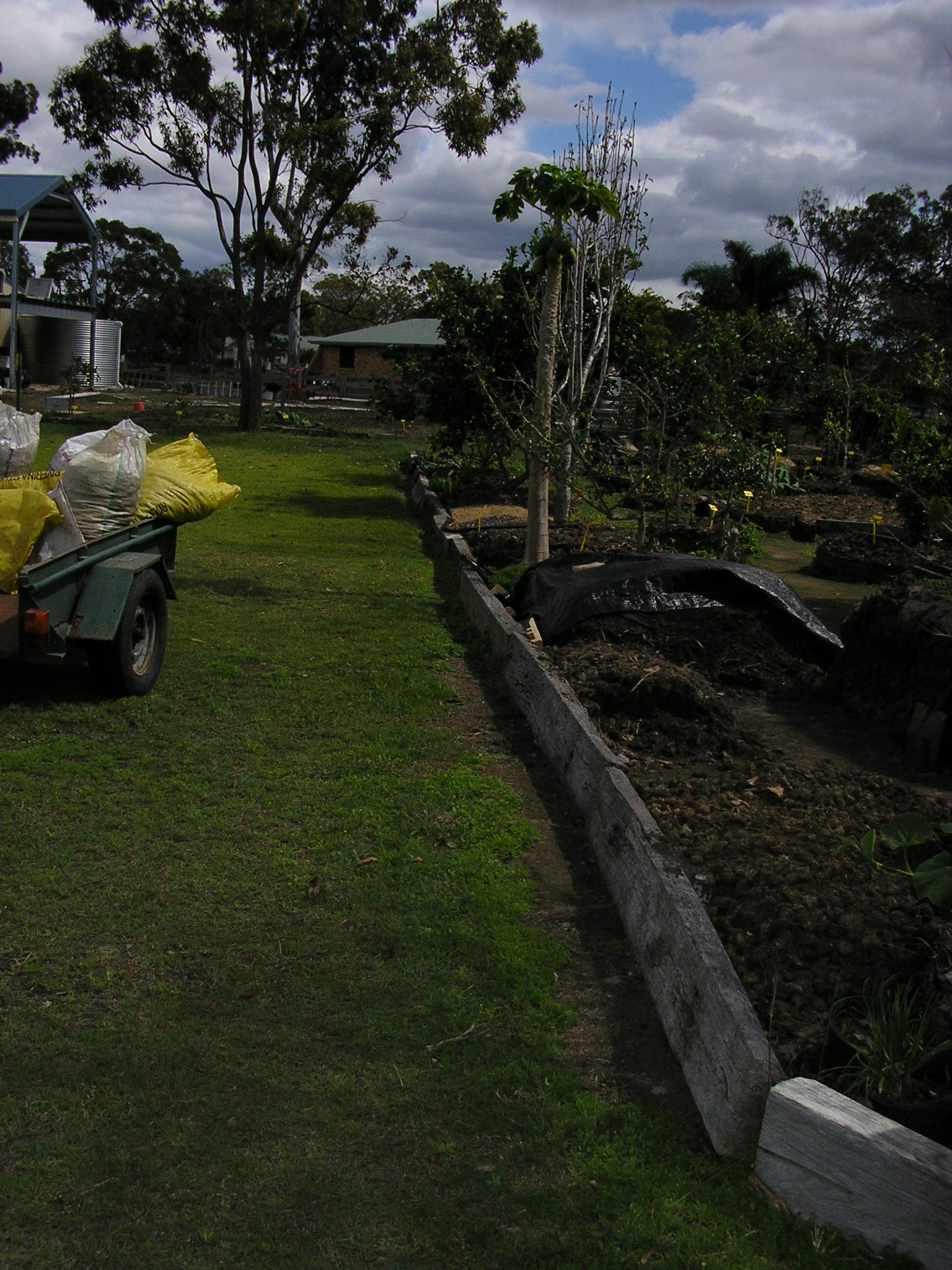
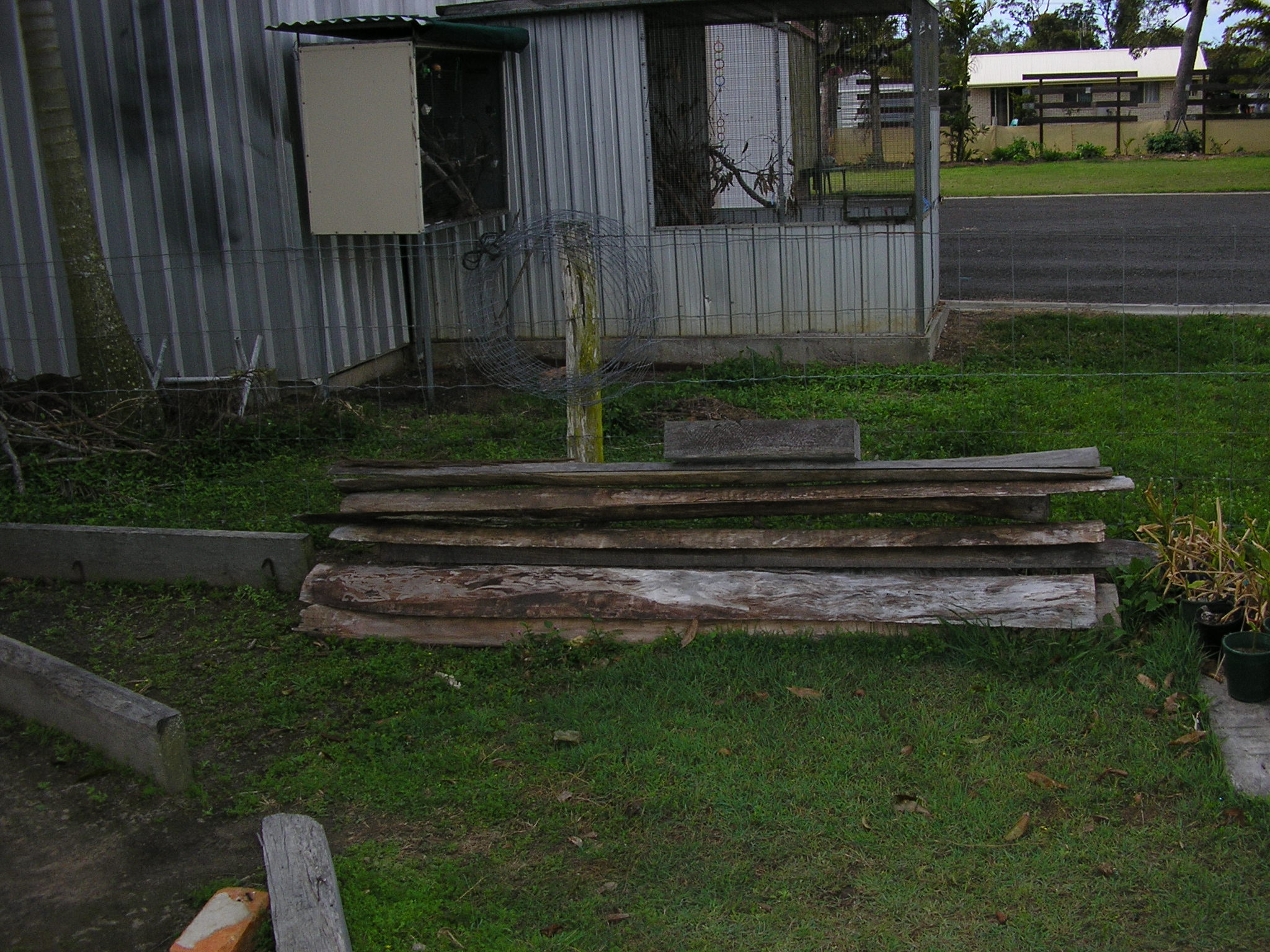
Bazza says... For Katrina/Jan, You will not have any success approaching Qld Rail. I retired as a Station Master from QR in 2000 and was still receiving calls of that nature after we had been running Trains on "cement" for many years. Even the old sleepers in my photo are not available here now but you will notice "off cuts" which i use from country saw mill at 3 bucks a piece. The other photo shows what is plentiful from garden supplierss All The Best Bazza
| About the Author BazzaBundaberg1 Bundaberg Aus 28th August 2007 1:17pm #UserID: 113 Posts: 39 View All BazzaBundaberg1's Edible Fruit Trees |
|||||||||||||||
Tom says... I too, was looking for a cheap alternative to build a backyard vegie garden. After a while of looking at different methods and styles the easiest method I have come up with is the re-use of old fridges. These are cheap (cost nothing), long/deep enough for vegies and very portable. Simply remove door/s and any internal fixtures, drill drainage holes and place in a suitable location. Eventually they will rust out, but this is a good time to renew the soil mix and discard the old fridge. | About the Author Tom3 Ipswich 9th September 2007 8:11am #UserID: 291 Posts: 1 View All Tom3's Edible Fruit Trees |
|||||||||||||||
| About the Author Paul3 Alstonville 9th September 2007 5:34pm #UserID: 217 Posts: 4 View All Paul3's Edible Fruit Trees |
||||||||||||||||
| About the Author deb2 melb 30th September 2007 12:10pm #UserID: 341 Posts: 3 View All deb2's Edible Fruit Trees |
||||||||||||||||
| About the Author deb2 melb 30th September 2007 12:12pm #UserID: 341 Posts: 3 View All deb2's Edible Fruit Trees |
||||||||||||||||
| About the Author Leona Perth 30th September 2007 9:44pm #UserID: 315 Posts: 42 View All Leona's Edible Fruit Trees |
||||||||||||||||
Jared says... Paul from Alstonville - as for garden beds with red soil, Gbah is similar soil, we condition with horse manure (there is one guy who sells reasonable bags of it on the Ballina Highway between the Regatta estate (he is on the grass verge 100 metres past the Oliver Avenue intersection) and the Gbah 2lm centre and another place, a property on the left side of the road between the Alstonville Maze Place and the turn off to go to Rous School), also use homemade compost from grass clippings, vegi scraps, other greenery that has been clipped. Anything else you can add to stop the red soil turning to clay everytime it rains, such as shredded palm fronds, mulched branches, farmers friends that have been stewed (get an old wheelie bin, add farmers friends and rain water, then close and leave to cook for several months, they dont sprout as the seeds have rotted by then). Cardboard and shredded newspaper break down as well, although if you want totally organic then the glue in the cardboard may be an issue. We have used macca shells (and whole maccas that have been bored into etc) in the front garden (not all vegies there) but a warning, dont use them anywhere you or children are likely to walk barefoot. We havent had the macca shells in mass quantity (we have one mature tree) but the shells and the husks seem to be breaking down at an ok rate and none of the plants (mixture of natives, citrus, herbs, coleus and lavenders) seem to mind them. Oh and the teatree mulch from Richmond Sand & Gravel is great, a little bit pricey but well worth it, and it breaks down really fast if dug in, but if left on top it is quite a good mulch. Warning - it can give you nasty splinters, so wear gloves when doing the original mulching. Hope that helps! | About the Author Jared Goonellabah 2nd October 2007 1:44am #UserID: 17 Posts: 6 View All Jared's Edible Fruit Trees |
|||||||||||||||
Jared says... Railway sleepers, um lets see, side of the road anywhere in NSW where there is a train track(seriously, nsw rail lets them rot on the side of the roads, I have seen many piles of them sitting for years, some are that grown over with vegetation you would think it was a natural mound (wish i had a trailer or ute!) | About the Author Jared Goonellabah 2nd October 2007 1:45am #UserID: 17 Posts: 6 View All Jared's Edible Fruit Trees |
|||||||||||||||
Jared says... CCA, well my girlfriend used to work at a plywood factory as weekend casual, they were warned when working with the treated ply and had to wear gloves at all times and report any splinters immediately. She said that on occasion a board would graze just above the glove at the wrist and would cause quite nasty rashes, even when it didnt open the skin during contact. Also they had to wear masks to avoid inhaling any dust when working with or shifting the treated boards or veneers. Coppers logs apparently no longer have the same "treatment" formula, but they were never recommended for contact with food producing gardens. | About the Author Jared Goonellabah 2nd October 2007 1:50am #UserID: 17 Posts: 6 View All Jared's Edible Fruit Trees |
|||||||||||||||
Paul says... Thanks Jarred for that information. I am going to make a raised vegie patch by using coppers logs posts cut legthways in half and then use old 4X2 hardwood timber attached to the coppers log on the inside of the garden so that the soil only comes into contact with the hardwood timber. When done I will post a photo. Paul | About the Author Paul3 Alstonville 2nd October 2007 1:18pm #UserID: 217 Posts: 4 View All Paul3's Edible Fruit Trees |
|||||||||||||||
Cindy says... I came across this site in my search for raised garden bed ideas. So far I think this is the cheapest and easiest way to make the beds and will be how I plant out my veges. Not quite sure though how to keep 3 large dogs off it..... http://www.lensgarden.com.au/straw_bale_garden.htm | About the Author Cin Central Coast NSW 4th October 2007 4:53pm #UserID: 322 Posts: 20 View All Cin's Edible Fruit Trees |
|||||||||||||||
Elvie says... Well I am in the process of setting out a new vegetable garden and thought I would share with you all the process for a no dig, raised garden which I first read about in the late 70's. This can be built directly on top of the ground, weeds and all, or concrete or on a high-rise balcony without any problem. I have built this garden many years ago and you could literally see the vegies growing! Impresse the nwighbours totally. You can use whatever material to contain the bed, but I have some old redgum 250mm x 50mm planks and will need to see what is available to extend the bed sizes. Firstly, place newspapers 10mm deep and overlapping to restrict the weeds. (Easy to collect with help of friends) Next add biskets of lucerne as they come from the bale (a bit expensive at present with the drought), and sprinkle with organic fertilizer. Next spread with about 150mm straw and finally add 75-100mm good compost/manure about 450mm width in growing rows. Seeds or seedlings can be grown directly into this. After the summer crops it all will have broken down somwhat so just add more compost ready for winter planting. It doesn't require any digging so is easy on the back. Planting a combination of vegetables, herbs and flowers, if liked, works very well. Good luck. | About the Author Beaconsfield Vic 7th October 2007 7:15pm #UserID: 0 Posts: View All 's Edible Fruit Trees |
|||||||||||||||
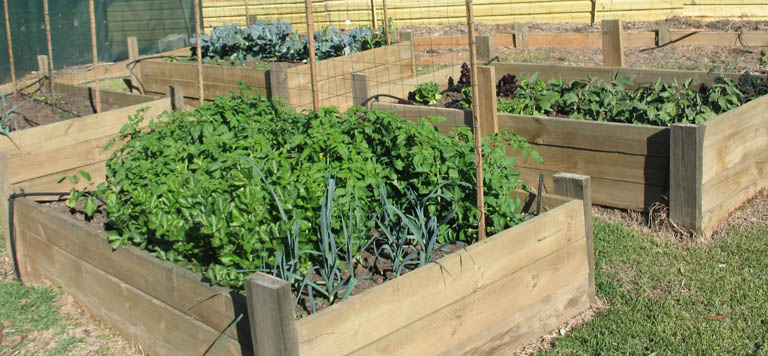
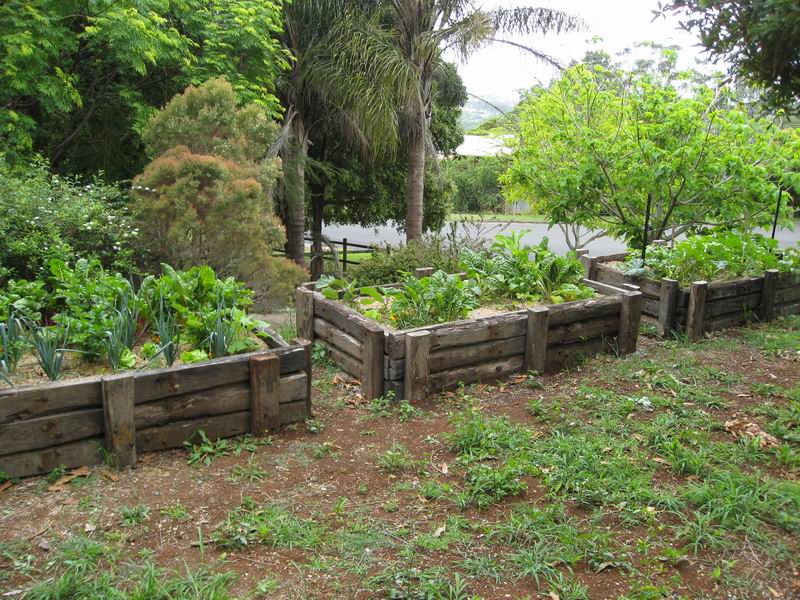
ioian says... I thought I would share with you all some pics of my raised garden beds since it is spring and the plants are starting to come alive! I used salvaged sleepers from an old cane train track. Concreted in the posts and then just slotted in the sleepers - cutting them to size of course because these sleepers were all slightly different lengths. Getting everything level was certainly a challenge - especially since the beds are located on a slope to one side. I also installed an integrated watering system with a computer tap at the house to give them water every second morning. Seems to work well for a full-time worker who doesn't always get the time in the garden he wants :)
| About the Author ioian sunshine coast 24th October 2007 9:03am #UserID: 270 Posts: 2 View All ioian's Edible Fruit Trees |
|||||||||||||||
Rev says... I just thought id mention that weve had great results this year using biochar which is essentially fine charcoal made from any organic matter manure is hard to get, even in the country - as in you either need a car and trailer and time, or you need many times more effort and a strong back to lug it home in the hot sun so were using 50:50 char with compost and add to this either organic or synthetic fertiliser as needed. Charcoal is quite extraordinary in its long term stability and effects on plant and soil fertility. and in the immediate term it improves soil structure and water reteteion while not messing with the Carbon nitrogen ratio. so you can char sawdust and dig it in, whereas digging it in raw would ruin the soil for years. i make the char in an ex oil drum or as earth covered charcoal mounds if you are interested look into it. here are some leads. expect youll hear more anyway as the whole issue heats up due to biochar being a low cost long term carbon sink that improves the environmnet at the same time http://www.css.cornell.edu/faculty/lehmann/biochar/Biochar_home.htm http://en.wikipedia.org/wiki/Biochar http://sciam.com/article.cfm?articleid=5670236C-E7F2-99DF-3E2163B9FB144E40 | About the Author RevNQ1 Tabulam 20th November 2007 9:31pm #UserID: 441 Posts: 31 View All RevNQ1's Edible Fruit Trees |
|||||||||||||||
| About the Author RevNQ1 Tabulam 20th November 2007 10:09pm #UserID: 441 Posts: 31 View All RevNQ1's Edible Fruit Trees |
||||||||||||||||
Sharyn says... This is a query for Jan of Bundamba: as we live in the same local area I am wondering how your vegies cope in the summer heat. My husband and I want to start a garden but are clueless to how it will go. Everything I read says to plant just about everything at this time of the year but will it grow! Do you use shadecloth for sun protection or do the plants manage to withstand this dry, hot heat? We moved here a few years ago and I would really love some local advice. Cheers | About the Author Sharyn Riverview 27th January 2008 4:28pm #UserID: 618 Posts: 2 View All Sharyn's Edible Fruit Trees |
|||||||||||||||
Jan says... Hi Sharyn. Iv'e given up with my veg garden purely because of the water shortage. I felt guilty each time I bucketed some water on the garden. I decided to put in a good variety of fruit trees. All doing quite well. Without having to water on a daily basis. When we can afford a water tank, then We will start up the veg again. My email is janek57@optusnet.com.au if you would like to contact me. Regards Jan. | About the Author Jan5 Bundamba Qld 28th January 2008 7:53am #UserID: 88 Posts: 25 View All Jan5's Edible Fruit Trees |
|||||||||||||||
kim says... Hi Sharyn, I used to live in Redbank Plains but moved to Greenbank about 3 years ago. Have been growing amaranth,snake beans, bitter melon, angle luffa, buttercrunch lettuce, okra, kangkong, and some other asian vegies. If you require more info, my email is hakimchiew@yahoo.com.au regards, Kim | About the Author kim2 greenbank, Qld 28th January 2008 9:15pm #UserID: 128 Posts: 27 View All kim2's Edible Fruit Trees |
|||||||||||||||
| About the Author Sharyn Riverview 29th January 2008 2:53pm #UserID: 618 Posts: 2 View All Sharyn's Edible Fruit Trees |
||||||||||||||||
Paul says... Well thanks you lot (said with a smile) after reading all the comments on treated pine for raised garden beds and having just paid fo 100 250x50 treated pine boards to make my new gardens I'm feeling rather sick now. I think I will be double lining them with black plastic. Thanks for the interesting reading. | About the Author Paul7 Sydney 1st February 2008 2:19pm #UserID: 631 Posts: 3 View All Paul7's Edible Fruit Trees |
|||||||||||||||
| About the Author Jan5 Bundamba Qld 2nd February 2008 2:07pm #UserID: 88 Posts: 25 View All Jan5's Edible Fruit Trees |
||||||||||||||||
| About the Author John10 SB South Australia 2nd February 2008 5:06pm #UserID: 549 Posts: 127 View All John10's Edible Fruit Trees |
||||||||||||||||
Jan says... Hi John. I was meaning to line only the insides of the sleepers and go just under the edge of the sleepers at the base. Not to cover the bottom of the garden as well. That would make a pond. The bottom to be kept just as bare earth. Plastic on the sides only, would slow down the evaporation from the surrounding air. And allow the moisture to go down deeper into mother earth. Regards Jan. | About the Author Jan5 Bundamba Qld 2nd February 2008 7:17pm #UserID: 88 Posts: 25 View All Jan5's Edible Fruit Trees |
|||||||||||||||
| About the Author Neil2 Minden 24th March 2008 4:09pm #UserID: 803 Posts: 1 View All Neil2's Edible Fruit Trees |
||||||||||||||||
garry says... I am looking at a small vegie/fruit tree/herbs garden bed 10m long by 1.3m wide & was going to use sleepers; as it's close to the house I am concerned about termites so was going to buy treated but now I am trying to work out how Matthew Gray (21/6/07 entry)built a wall with household bricks butted up & no mortar. Does anyone have any ideas? | About the Author garry1 Palm Beach 7th April 2008 10:11am #UserID: 850 Posts: 1 View All garry1's Edible Fruit Trees |
|||||||||||||||
Kathryn says... The best product is Ozlogs, it is made on the Gold Coast to look like old weathered sleepers but it is actually made of cement. It comes in various lengths and can also be used stacked for a retaining wall. It is a bit pricey but looks very realistic, lasts a long time and does a good job. | About the Author 8th April 2008 2:53pm #UserID: 0 Posts: View All 's Edible Fruit Trees |
|||||||||||||||
| About the Author Paul3 Alstonville 8th April 2008 10:32pm #UserID: 217 Posts: 4 View All Paul3's Edible Fruit Trees |
||||||||||||||||
Dekka says... Paul, you could line the inside of a treated-pine garden border with twenty layers of plastic but it still won't make it safe. The CCA chemicals leach out of the timber down into the soil and then the plant roots draw these up again. Consuming produce from a home vege/fruit garden that has this kind of treated-pine border is likely to have an accumulative effect internally and cause serious health issues. | About the Author Dekka Newcastle 9th April 2008 8:13am #UserID: 102 Posts: 219 View All Dekka's Edible Fruit Trees |
|||||||||||||||
| About the Author Toongabbie, NSW 9th April 2008 1:42pm #UserID: 0 Posts: View All 's Edible Fruit Trees |
||||||||||||||||
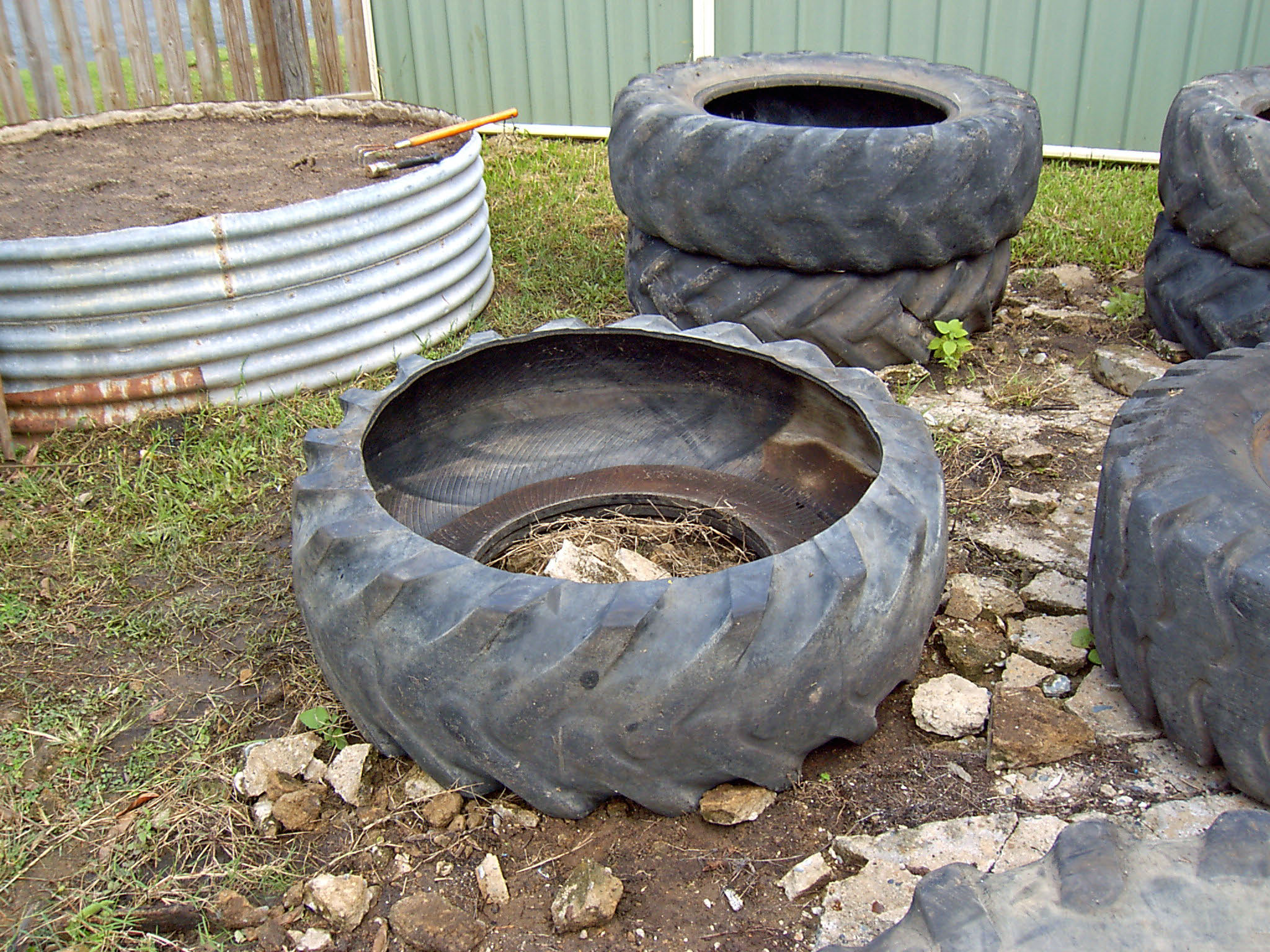
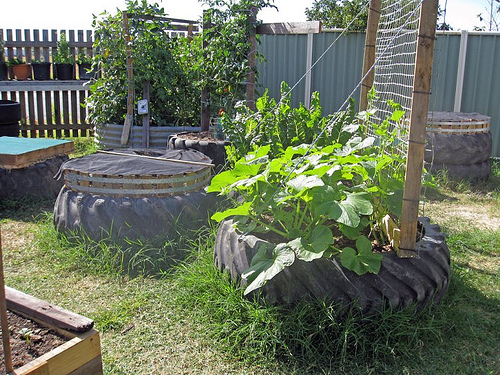
Dekka says... My understanding is that tyres are very stable chemically when in contact with soil. It is when they are ignited that they become a toxic problem. The only trouble with old tyres is once you've got them there very hard to get rid of because no-one wants them. My local tip will accept tyres if they have been sliced into quarters (a laborious task, especially on steel-belted) and then charges handsomely to do so. | About the Author Dekka Newcastle 9th April 2008 4:23pm #UserID: 102 Posts: 219 View All Dekka's Edible Fruit Trees |
|||||||||||||||
shaz says... I agree with Dave. Why buy treated pine if we dont have too?? Why buy bleached toilet paper if we dont have to. Buy buy refined processed harmful foods if we dont have to?? It is up to each individual whether they buy into the harmful substances or not. There is a lot of stuff out there that we are able to buy because shops sell it, doesnt mean to say its right. ie windex is top on the list for toxic substances, it is allowed on the market and we still buy it!! Plastics in kids toys is harmful they still sell it. harmful carcinogens in things we buy that are known to cause cancer, they are still buyable from shops!!I dont personally. Id say to anyone dont be fooled, just because it's on the market doesnt mean it's safe for us.Thanks for the tip dave as I will be starting my own organic raised bed soon. I wont use treated pine. When we have no control over how the food we buy is treated I say..... buyer beware. At least when we grow our own we know what is going into our food. Happy growing everyone!! | About the Author perth 19th April 2008 10:47pm #UserID: 0 Posts: View All 's Edible Fruit Trees |
|||||||||||||||
Reply | Edit |
| Remember to
LIKE this Answer(1)
LIKE this Question (0)
People who Like this Answer: | ||||||||||||||||
shaz says... Also isnt that the main reason most of us do the home grown thing because we are dispondent about the quality/chemicals etc in the food we buy. I know I am concerned about what I buy. Now back to the new garden I am going to build.... When I first build the garden bed up can I do so over the grass and just put down layers of newspaper to kill it off, or do I have to dig it up?? can anyone pls advise, this is all very new to me. I am a working single mother and dont want back breaking digging-up-lawn-hardwork if I can get away with it. Thankyou. I love this forum, it has been great reading. Do any of you have your own worm compost/castings??? How does this work for you. I understand these little worms are an allie in any vegie garden. | About the Author perth 19th April 2008 11:23pm #UserID: 0 Posts: View All 's Edible Fruit Trees |
|||||||||||||||
Dekka says... Shaz, When you use the newspapers make sure you have good overlap to stop the grass working its way thru. On the subject of worm-farms I just try to keep the ones in my soil happy. Buying and introducing store-bought composting worms merely displaces the worms that are native to your own area, i.e, you create a feral worm problem. | About the Author Dekka Newcastle 20th April 2008 12:58pm #UserID: 102 Posts: 219 View All Dekka's Edible Fruit Trees |
|||||||||||||||
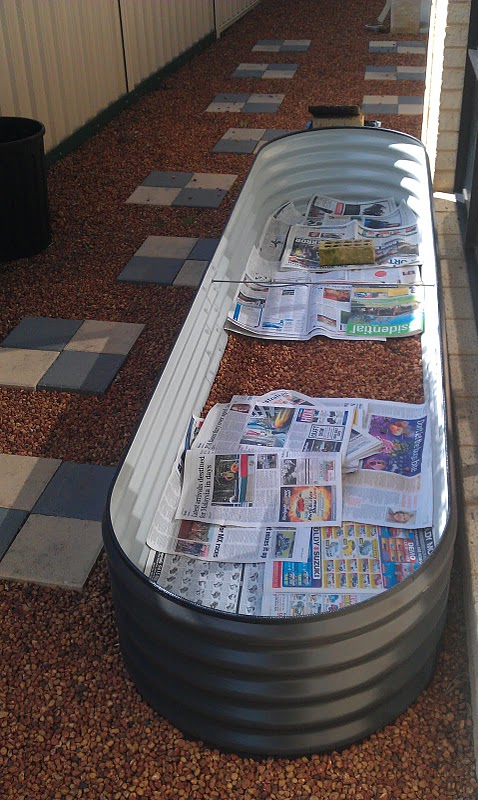
Deb says... Shaz, I too am in Perth. I put down a very thick layer of newspaper, well wetted and then placed an metal water tank over the top (with an old hose on it if the top is sharp) then place jarrah sawdust around the outside to deter snails. Fill it up with organic soil ("gods gift to gardeners" - see gardener direct online - they deliver too) and plants and you are all done. You can be harvesting small amounts in weeks. There are a few places in Perth you can get organic seedlings and seeds from too so you know they have been loved from the beginning ... :) Cheers | About the Author Deb3 NoR Perth 4th May 2008 1:56pm #UserID: 925 Posts: 8 View All Deb3's Edible Fruit Trees |
|||||||||||||||
Anonymous says... "shaz says... Also isnt that the main reason most of us do the home grown thing because we are dispondent about the quality/chemicals etc in the food we buy. I know I am concerned about what I buy." i do it for price and for flavour more than chemicals. its my impression that the chemical use in australia is sufficiently regulated that its a lesser concern what concerns me more is watery flavourless old produce - i know this cant be good for me "dekka says Buying and introducing store-bought composting worms merely displaces the worms that are native to your own area, i.e, you create a feral worm problem. " i dont think is true. i have 5 species ive counted in my garden and they all co-exist in the same matrix, but occupying and using different parts Compost worms - reds and tigers live in the mulch, while the huge native ones go deep in the mineral soil and the Blue worms live only near the surface native worms are better adapted to forests and pastures, than the massively enriched and irrigated soils of a vegetable garden | About the Author 5th May 2008 11:58am #UserID: 0 Posts: View All 's Edible Fruit Trees |
|||||||||||||||
Julie says... Some friends of mine ran a small organic market garden some years ago. They used concrete slabs (2' x 2', don't know the metric equivalent) on edge for their veggie beds. They are large enough to put almost halfway into the ground and still be very stable. Or, don't bother digging them in, just stand on edge and hold in place with strong wire wrapped around. You can sometimes get these cheaply when people recycle them. Also, try a 'wanted' ad in your local paper. I also came across a picture of beds made of huge irrigation pipe, cut in half legthways.A company was giving it away (in Perth) but can't remember who. I will put the info out there if I remember or come across it again. | About the Author Julie Roleystone 5th May 2008 7:56pm #UserID: 154 Posts: 1842 View All Julie's Edible Fruit Trees |
|||||||||||||||
| About the Author tannille king queensland (tully) 7th May 2008 1:44pm #UserID: 937 Posts: 1 View All tannille king's Edible Fruit Trees |
||||||||||||||||
Deb says... Hi Tannille It's sad you have never made a garden, they are great fun and you get so much out of them! What exactly is your assignment about; is it about making a garden, maintaining a garden, gardening in your state or something else? Do you have particular questions you would like to ask people or perhaps some general questions? You do need to remember what you may hear on here will be people's opinions and thoughts and you may need some facts that you can back up. Cheers | About the Author Deb3 NoR Perth 12th May 2008 6:56pm #UserID: 925 Posts: 8 View All Deb3's Edible Fruit Trees |
|||||||||||||||
Yuri says... Dekka said "Buying and introducing store-bought composting worms merely displaces the worms that are native to your own area, i.e, you create a feral worm problem.". Sorry Dekka but this is totally wrong. The imported worms only survive in a rich, wet environment such as in a worm farm. They don't survive in the environment of our natives which is much too harsh but in which our natives thrive. That is also the reason our natives aren't used in the worm farms; it's too wet and rich for them. To everybody that has contributed to this forum discussion, many many thanks. It's been quite amazing to see the wide variety of responses and ideas. I had no idea of what I was starting when I asked the fairly simple original question. BTW, I have decided to use untreated hardwood half sleepers bolted together at the corners to posts that will serve as corner supports as well. I will post photos once the project has been completed. But don't hold your breath waiting; it might be a while before it is done. Once again, thank you one and all. Yuri. | About the Author Yuri Gold Coast, QLD 12th May 2008 9:17pm #UserID: 69 Posts: 2 View All Yuri's Edible Fruit Trees |
|||||||||||||||
Scott says... This site has been great. We have built our new home and tried to make it as eco friendly as our budget would allow when it comes to hooking rain water to the house and gardin and various other things. We also have two compost bins and at the moment and nothing to use it on. So I was just looking around the net to see how to build a raised vegie patch. I was going to head down the treated pine option, but you have knocked that on the head so im back to redgum sleepers. Bit more pricey but safer. Our patch wont be all that big only 4mx1m but it should be enough for our family. Thanks for the advice especially the cardboard as the base as we have plenty of empty moving boxes. Cheers Scott | About the Author Scott5 Adelaide (SA) 6th June 2008 5:10pm #UserID: 1017 Posts: 4 View All Scott5's Edible Fruit Trees |
|||||||||||||||
Glory says... Hi guys, anyone knows, what is the name of this veggie. Its leaves like an opened cabbage leaves. But the leaves are so curly and stems are so green. One of my friend said it has lots of nutrients. I stir fry the leaves, it is so tasty. Thanks Glory
| About the Author Glory Melbourne 16th June 2008 6:32pm #UserID: 587 Posts: 20 View All Glory 's Edible Fruit Trees |
|||||||||||||||
Anonymous says... I believe it may be a greek mountain lettuce that we boil or steam then add some olive oil salt peper and lemon juice. If yuou drink a cup of this mineral juice after cooking, this cleans out you kidneys and liver of bad things. Works with spinch to. Sorry mums not here to get the name of it. | About the Author 16th June 2008 7:50pm #UserID: 0 Posts: View All 's Edible Fruit Trees |
|||||||||||||||
Paul says... Have really enjoyed reading everyone's posts, particularly about treated pine. We have just bought a house and with it came multiple treated pine sleepers which the previous owners had left for us. This was not the traditional green treated pine but was pine covered with a black substance, only on the outside. Does anyone know if this contains different (more garden friendly??) chemicals than the traditional treated pine. I was thinking about covering them with heavy-duty plastic, joining them together and then using them as a raised edge for a vegie patch. Any thoughts? | About the Author Paul10 Gawler 23rd June 2008 9:42am #UserID: 1083 Posts: 1 View All Paul10's Edible Fruit Trees |
|||||||||||||||
| About the Author Steve10 Northcoast 23rd June 2008 6:12pm #UserID: 1086 Posts: 1 View All Steve10's Edible Fruit Trees |
||||||||||||||||
Dekka says... Steve, Worms are the most abundant animals on the planet and their mere presence wouldn't necessarily indicate that they they are uncontaminated by polluted soil. Just as the existence of fish can't be conclusive proof that a body of water isn't polluted or that the presence of birds means the air is clean. The point is:- Why use CCA treated Pine in food gardens when there are heaps of alternatives? | About the Author Dekka Newcastle 23rd June 2008 8:55pm #UserID: 102 Posts: 219 View All Dekka's Edible Fruit Trees |
|||||||||||||||
| About the Author Glory Melbourne 25th June 2008 12:11am #UserID: 587 Posts: 20 View All Glory 's Edible Fruit Trees |
||||||||||||||||
justjuice says... Kath: Great retaining wall. How do you make it? Do you need to cement the stones together? I'm a real newbie when it comes to landscaping, but I can't afford a landscaper so would like to try myself. Thanks! Glory: Can you post some larger pictures - it's quite hard to see. Thanks. | About the Author Justin Melbourne 25th June 2008 5:14pm #UserID: 1041 Posts: 30 View All Justin's Edible Fruit Trees |
|||||||||||||||
| About the Author Glory Melbourne 26th June 2008 12:37pm #UserID: 587 Posts: 20 View All Glory 's Edible Fruit Trees |
||||||||||||||||
Tran says... Hi Glory, I have a catalogue from EDEN SEEDS. Checked the picture and yours and I am quite certain it is CHOU MOELLIER (Brassica oleracea var. acephala) http://www.edenseeds.com.au/content/seeditem.asp?id=187 Please note the website display 2 items the picture is for KALE. They do not post this vegie but in my catalogue I have a picture of it. it looks almost identical to the one in your picture. Good luck. Tran | About the Author Vic 26th June 2008 1:04pm #UserID: 0 Posts: View All 's Edible Fruit Trees |
|||||||||||||||
| About the Author Glory Melbourne 26th June 2008 1:10pm #UserID: 587 Posts: 20 View All Glory 's Edible Fruit Trees |
||||||||||||||||
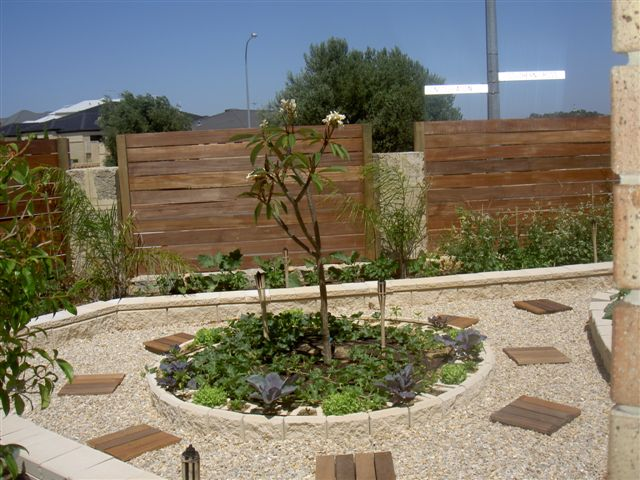
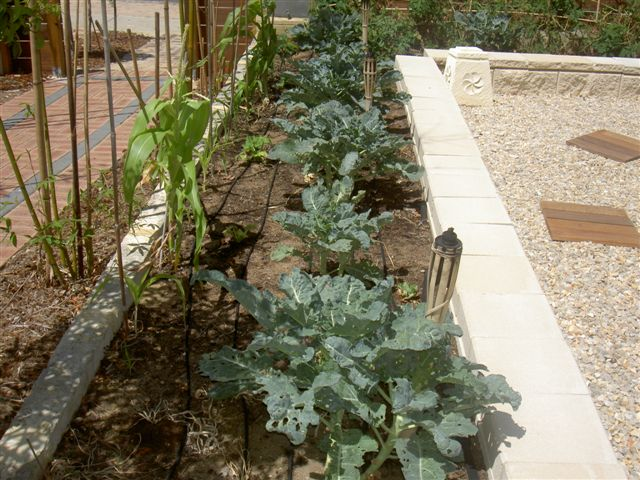
B says... i have made my veggie patch out of the new 'lite wall' blocks that don't require any mortor - they just lock in together and are filled with sand for stability. heres some pictures. just click on them to see them. You can easily raise the height by adding another layer on top. Too easy!
| About the Author B Perth 26th June 2008 1:57pm #UserID: 1085 Posts: 8 View All B's Edible Fruit Trees |
|||||||||||||||
| About the Author Justin Melbourne 26th June 2008 10:14pm #UserID: 1041 Posts: 30 View All Justin's Edible Fruit Trees |
||||||||||||||||
B says... Hi Justjuice. thanks for your feedback. You can bury the bottom layer which you would do if you were going to build a higher wall. The next layer also sort of locks into the layer underneath for stability too. they really are a great way to build - you don't need any experience at all. Just a weekend! | About the Author B Perth 27th June 2008 11:40am #UserID: 1085 Posts: 8 View All B's Edible Fruit Trees |
|||||||||||||||
| About the Author lynne melb 27th June 2008 7:53pm #UserID: 210 Posts: 56 View All lynne's Edible Fruit Trees |
||||||||||||||||
Matt says... All this talk about treated versus untreated sleepers for my raised garden bed has confused me alot. The timber yard said there was no problem using treated (as they would) . Even told me arsenic wasn't used anymore (despite it still being called CCA. I've been told to steer clear of untreated woods , hard or otherwise unless I want my house infested with the termites that WILL come. The concrete sleepers are 50 bucks a pop and weigh 40 kgs each, not friendly at all. I'd managed to convince myself to use treated wood and plastic but now even the plastic doesnt help. Does anybody know where I can get a diffinitive answer regarding using treated wood, or the likelihood of termites turning my house into their own vege garden if I go untreated, even those which are apparently "termite resistent". | About the Author Matt4 Coomera 5th July 2008 2:03pm #UserID: 1130 Posts: 1 View All Matt4's Edible Fruit Trees |
|||||||||||||||
| About the Author Wayne Mackay 5th July 2008 2:50pm #UserID: 338 Posts: 908 View All Wayne's Edible Fruit Trees |
||||||||||||||||
Scott G says... Hi Matt I am in Nerang. My neighbor’s house had termites from having mulch up to a weep-hole in the wall. My house had termites (before I bought it) due to moisture and mulch allowing termites access to one of the weep holes. They ate a small part of one wall that was easily fixed. I added a pergola and a concrete slab and these now keep that dark corner of my house dry. I have termites in my last old fence. I have termites under logs and almost any bit of wood left lying out in my garden. I have lots of old railway sleepers that are vegie garden retaining walls. The termites have nibbled on them but 5 years later they are still holding strong. I was told that termites are just everywhere and to just get on and live with them. I was told that as long as the house is sufficiently protected there is no problem. This seems to work for me. I use no chemicals. I make sure that mulch doesnt get to touch my house walls by surrounding the house with stone. On one side of my house there is a pebble path. On another I have a concrete slab and on the remaining 2 sides I have laid down a row of small pavers (200mm x 200mm size pavers). So now here I am 5 years later and no problems. I wonder how much of the worry of termite invasion is created by the hype of the pest extermination people. | About the Author Scott G The Gold Coast 5th July 2008 3:35pm #UserID: 44 Posts: 117 View All Scott G's Edible Fruit Trees |
|||||||||||||||
Robyn says... I would agree that bricks are the way to go you do not know what treatments may have been applied to old railway sleepers creosote would be a big possibility. You can get bricks from second hand building centres and often people sell off leftover bricks from new houses. I have also used old roofing tiles for edging. Old roofing iron is another option but would need to cap the top with timber so you don't cut yourself on the sharp edge. I would not use treated pine. You can always mound up your soil and use a spade to cut an edge to keep the grass out. | About the Author Sydney 6th July 2008 6:02pm #UserID: 0 Posts: View All 's Edible Fruit Trees |
|||||||||||||||
Carolyn says... I am wanting to turn an old pond into a veggie patch. It has been painted with grey pond paint. I realise I'd need to drill holes in it for drainage, but can anyone else think of any potiental problems? My concern is that the paint or the concrete may contaminate the soil. Is anyone in the the know about soil contamination? | About the Author Carolyn1 brisbane 18th July 2008 9:22pm #UserID: 1174 Posts: 1 View All Carolyn1's Edible Fruit Trees |
|||||||||||||||
| About the Author Dekka Newcastle 19th July 2008 7:46am #UserID: 102 Posts: 219 View All Dekka's Edible Fruit Trees |
||||||||||||||||
HP says... We are looking to build some raised vege garden beds within the next few weeks so this forum has been really interesting for us. We are still debating the pros and cons of each building product and were worried that if we chose to use bricks they may transfer too much heat into the soil and make it dry out too much. Does anyone have any views on this?? One other note - Dekka, your advice would be much easier to take if it was put forward as a useful opinion or suggestion rather than a correction to everyone else's equally valuable posts. | About the Author Canberra 20th July 2008 9:59pm #UserID: 0 Posts: View All 's Edible Fruit Trees |
|||||||||||||||
Dekka says... To HP of Canberra, I am somewhat baffled by your decision to single me out among the hundreds of contributors to this forum. In fact, the only time I have corrected someone was when Yuri said I was "...totally wrong" about introduced worms and I merely offered him factual evidence to support my comment. If you don't like my comments about worm farms that's OK but, fair go...'EVERYONE else'?... Are you fairdinkum?!! All I have done is answer questions honestly and maybe try to prevent people from feeding their families Copper Chromium Arsenate. I suppose I should remember the adage that "ignorance is bliss" and promise never to encroach upon your bliss again. Happy gardening. | About the Author Dekka Newcastle 21st July 2008 9:10am #UserID: 102 Posts: 219 View All Dekka's Edible Fruit Trees |
|||||||||||||||
| About the Author Glory Melbourne 21st July 2008 9:34pm #UserID: 587 Posts: 20 View All Glory 's Edible Fruit Trees |
||||||||||||||||
HP says... Apologies Dekka, I shouldn't have used such a broad generalisation -not 'everyone else', just enough to catch my attention. I have no intentions of using anything treated so was interested in your responses there just found them a bit abrupt. Anyways, was just a bit of feedback. I am still very interested in your valuable answer to the question in my post if you have any thoughts. | About the Author Canberra 21st July 2008 9:35pm #UserID: 0 Posts: View All 's Edible Fruit Trees |
|||||||||||||||
Dekka says... No worries, HP. Regarding your bricks question, there are a lot of variables. Yes, brick, concrete and stone will warm up in the sunshine but this can be a good thing depending on what you are growing. Generally, a warm root zone will stimulate root development and subsequent plant growth unless it is a plant that enjoys very cool roots like Clematis for example. As you live in Canberra, the heat-sync properties of brick may help keep your plants warm through cold winter nights as long as the bricks are able to warm up through the day. If this doesn't happen they can actually act as a cold sync and keep the soil cooler. Raking back mulch on any sunny winter days will help with soil warmth and replacing mulch in the afternoon will keep heat in. As far as drying out goes, thick mulch will easily counter any effect that warm masonry will have on the soil moisture. One slight risk with bricks in a cold area can be that, due to their porosity, water can enter the air spaces within the bricks and then freeze. When the water freezes it expands and causes minute fractures in the bricks' structure and they can become crumbly... but for a garden bed it may not matter. Local stone is best but bricks are OK. PS. Hope that's a little less abrupt. | About the Author Dekka Newcastle 22nd July 2008 8:51am #UserID: 102 Posts: 219 View All Dekka's Edible Fruit Trees |
|||||||||||||||
Diny says... To people that want to start a no-dig garden a la Esther Dean,I hope you all realise that newspaper is made of wood. To termites this is fast food and they love it!I had a vegetables bed with newspaper as a base and when I had to move it, there were thousands of termites living there and most of the paper was eaten. I had chooks at the time and threw them in their pen, they loved that. But I agree with Scott that termites are everywhere and I don't worry about them. | About the Author Diny Bundaberg 24th July 2008 1:20pm #UserID: 968 Posts: 11 View All Diny's Edible Fruit Trees |
|||||||||||||||
| About the Author Julie Roleystone 28th July 2008 8:53pm #UserID: 154 Posts: 1842 View All Julie's Edible Fruit Trees |
||||||||||||||||
HP says... Thanks for your generous post Dekka, apologies for the delay in replying. It's a tough one, the heat retaining properties would be good here in the cold. We get lots of beautiful sunny days during winter but I think what you say about the potential for it to do the same with the cold could be a problem. My partner is also feeling than enthusiastic about the work involved in my grand brick plans! We went on a torturous sleeper hunt on the weekend (my poor 4yo!). It is extraordinary how hard it is to find untreated options. We found some untreated hardwood sleepers but they were in poor condition and we were concerned about where they may have been sourced from. After all that and seeing your advice, I think we will go for railway sleepers. Recycled, hopefully treated long enough ago to be benign now (let me know if i'm off there) and relatively easy to assemble. So the work begins on the weekend... | About the Author Canberra 29th July 2008 9:25pm #UserID: 0 Posts: View All 's Edible Fruit Trees |
|||||||||||||||
| About the Author Glory Melbourne 31st July 2008 1:30pm #UserID: 587 Posts: 20 View All Glory 's Edible Fruit Trees |
||||||||||||||||
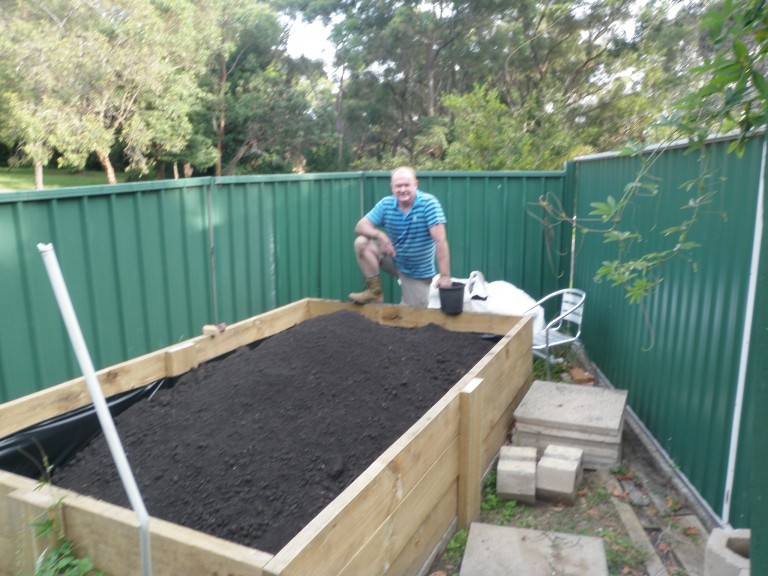
Scott says... Hi HP, I have just finished building my raised garden beds out of New redwood sleepers. They are 2000x200x75 and cost me $25 each. Don’t know about your area but every landscaping supplier has them in Adelaide. connected them with long, fat coach screws after pre drilling and counter sinking to make sure enough of the screw went through. I made 4 rectangles (2000x1000x200), put 2 on top of each other and the weight + filling holds them in place. Cheers Scott | About the Author Scott5 Adelaide (SA) 7th August 2008 1:58pm #UserID: 1017 Posts: 4 View All Scott5's Edible Fruit Trees |
|||||||||||||||
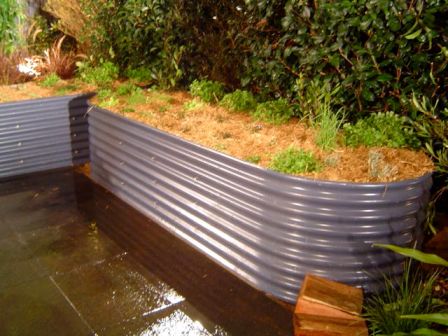
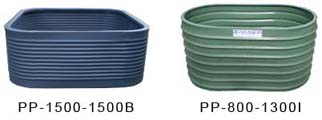
Em says... Hi everyone, Does anyone have any experience with the galvanised raised veggie garden beds made by the rainwater tank people? I'm keen to get one that sits 800mm high (to save my back)but have no idea how long they would last? Any info would be appreciated. They were on Domestic Blitz a couple of weeks ago. http://www.tankworx.com.au/ thanks heaps Em
| About the Author Em Hervey Bay Qld 9th August 2008 1:07pm #UserID: 1233 Posts: 2 View All Em's Edible Fruit Trees |
|||||||||||||||
Deb says... Hi Em, I have one but it is only about 2 years old. I got one for the same reason as you - my back! Mine is only 400 and I find that is high enough. I shudder to think how much it would cost to fill it if it was larger. Also I think most of your nutrients would end up in the lower zone. I covered my ground thick with newspaper and stood the tank on that (none going into the ground) and then filled it. It is open at the bottom so shouldnt collect water at all and therefore should last for sometime. Around the tank on the rest of the newspaper i put jarrah sawdust. the snails dont like sawdust and i never saw one in my garden until this winter! but the sawdust does need a top up now as even a few weeds are getting through. I love the tanks and recommend them highly. I know others who have actually got second hand tanks with holes in them and just cover those areas from the inside, I think they would last for a few decades if you care for them. Happy tanking! Deb | About the Author Deb3 NoR Perth 10th August 2008 11:49am #UserID: 925 Posts: 8 View All Deb3's Edible Fruit Trees |
|||||||||||||||
Julie says... Glory By all means, go ahead, but don't expect much success! Don't sow all your seeds, so you have some left for the right season - next autumn. Just sow into rich soil, improved with manure and compost. Don't sow too deep, place them about 20cms apart and put in a sunny spot. I always start my seedlings off in small pots or seed trays. That way I don't have any gaps. Good luck Julie | About the Author Julie Roleystone 10th August 2008 6:58pm #UserID: 154 Posts: 1842 View All Julie's Edible Fruit Trees |
|||||||||||||||
HP says... Thanks Em and Deb for your advice on the galvanised veggie beds. We took one look at your posts and started the search! Thankfully we had decided to work on our clay soil for a while and think about the advice we had been lucky to receive before we built our beds. We were not able to get them from Tankworx as they have quite a limited delivery area. We ended up ordering four 2.2m x 1.2m beds through a company called Birdies Garden Products www.birdiesgardenproducts.com.au, they were really reasonably priced as was the delivery from SE QLD to Canberra ($107!!) and so far, really lovely customer service. They should arrive in the next few weeks. We can't wait to fill three of them and give no-dig potatoes a go in the fourth. | About the Author Canberra 12th August 2008 7:51pm #UserID: 0 Posts: View All 's Edible Fruit Trees |
|||||||||||||||
| About the Author PK Adelaide 14th August 2008 12:23pm #UserID: 1245 Posts: 1 View All PK's Edible Fruit Trees |
||||||||||||||||
| About the Author 14th August 2008 6:55pm #UserID: 0 Posts: View All 's Edible Fruit Trees |
||||||||||||||||
| About the Author Em Hervey Bay Qld 15th August 2008 8:37am #UserID: 1233 Posts: 2 View All Em's Edible Fruit Trees |
||||||||||||||||
| About the Author Julie Roleystone 15th August 2008 4:16pm #UserID: 154 Posts: 1842 View All Julie's Edible Fruit Trees |
||||||||||||||||
HP says... Julie I found a Perth supplier in my hunt earlier in the week. It was www.gardenersdirect.com.au and their products seemed really good and reasonably priced. I was disappointed they were so far away! I liked that the beds were 'squarish' at the ends, it seemed a better use of space than the rounder ones. Hope this helps | About the Author Canberra 15th August 2008 7:01pm #UserID: 0 Posts: View All 's Edible Fruit Trees |
|||||||||||||||
Deb says... I have to say that gardeners direct have been very good in my experience. i havent used their tanks yet (but the varying sizes they have will make it easier to fit them into my small courtyard garden), so it wont be long before i extend from 'god's gift to gardeners' and the eco soil wetter to the tanks | About the Author Deb3 NoR Perth 16th August 2008 10:25pm #UserID: 925 Posts: 8 View All Deb3's Edible Fruit Trees |
|||||||||||||||
| About the Author John20 Perth 21st August 2008 12:14pm #UserID: 1094 Posts: 287 View All John20's Edible Fruit Trees |
||||||||||||||||
| About the Author Canberra 22nd August 2008 7:17pm #UserID: 0 Posts: View All 's Edible Fruit Trees |
||||||||||||||||
Jo says... HP- I thought that I could work on the soil in my garden until I was happy with it, but Canberra's clays are able to daunt the hardiest gardener! We've moved into a house that's had wood chips through the garden for 30 years, and until we had some rain, it was like trying to break rock. Everyone's been telling me to put in raised beds, but I was too stubborn to listen. Until now... | About the Author Jo9 Canberra 25th August 2008 6:49pm #UserID: 1276 Posts: 7 View All Jo9's Edible Fruit Trees |
|||||||||||||||
HP says... Jo, I found a galvanised garden bed supplier in Canberra after I had ordered them from afar. The company is called Adapt2 and can be found in Mitchell or Pialligo or at www.adapt2eco.com.au We went to their Mitchell store on the weekend to look at all sorts of eco products and found them really helpful and the prices of the garden beds were similar to what we've ordered from SE QLD. | About the Author Canberra 26th August 2008 7:32pm #UserID: 0 Posts: View All 's Edible Fruit Trees |
|||||||||||||||
Leah says... Hi, I have been looking at the corugated beds in colourbond and here is what Bluescope steel says... # Can I use COLORBOND® steel as a retaining wall, or garden bed? * In Soil The construction of gardens adjacent to buildings or fencing by placing soil directly against ZINCALUME® steel or COLORBOND® steel sheeting is strongly discouraged as corrosion of the sheeting will rapidly occur about the area covered with soil. Moisture or moisture retaining materials should not be permitted to remain in intimate contact with ZINCALUME® steel, COLORBOND® steel or galvanized steel. Such contact will ultimately result in corrosion of the material. The major factors influencing corrosion are the continual retention of moisture and the differential concentration of oxygen at the material surface. Gutters are frequent victims, with insufficient fall leading to ponding of water. The accumulation of debris (leaf matter, dirt etc) which results in continual immersion, is the most common reason for unsatisfactory performance of guttering. In typical garden applications such as fence panels, garden sheds and walling the build up of grass cuttings, leaves, soil from gardens, mulch, compost, sand and ashes must be avoided. For more information, please Download Corrosion Technical Bulletin CTB 16 - Immersion. So i have decided to go the old fashion way of redgum sleepers. THere is a place in Brunswick, Vic that you can get 50 for $350 so i will be able to make about 6 good sized beds. But it will not be as easy as getting something premade. | About the Author 28th August 2008 11:28am #UserID: 0 Posts: View All 's Edible Fruit Trees |
|||||||||||||||
Deb says... Hi John, The ground is certainly cheaper, but where I am living it is has changed from regular house blocks to 3 or 4 houses on each block. I no longer have the light i used to and need to have things higher up to get the light over the walls and roofs of other houses!!! Also with having had a back injury it is a good way to avoid further injury for me. Other people will have their own reasons of course! | About the Author Deb3 NoR Perth 30th August 2008 1:55pm #UserID: 925 Posts: 8 View All Deb3's Edible Fruit Trees |
|||||||||||||||
Jo says... Hi HP. Thanks for the info. We saw some used on TV, and wondered where we could find some- they look really good. Thanks also to Leah for the info on corrosion. I had thought about using sleepers, but even they will eventually rot down. I guess it depends on how permanent we want the beds to be. We've since also had a relative offer us a huge amount of seconds bricks that he no longer needs. Lots of possibilities! | About the Author Jo9 Canberra 30th August 2008 9:21pm #UserID: 1276 Posts: 7 View All Jo9's Edible Fruit Trees |
|||||||||||||||
| About the Author syd 1st September 2008 11:22am #UserID: 0 Posts: View All 's Edible Fruit Trees |
||||||||||||||||
| About the Author 9th September 2008 12:34pm #UserID: 0 Posts: View All 's Edible Fruit Trees |
||||||||||||||||
| About the Author Glory Melbourne 9th September 2008 2:35pm #UserID: 587 Posts: 20 View All Glory 's Edible Fruit Trees |
||||||||||||||||
Cin says... HP Thanks for the link on Birdies. I think we will be ordering 4 of their beds and finally I cn get started on my garden beds. The plant dams look good for around the fruit trees as well so might as well get some of those - the poor CC will be getting a work out! http://www.birdiesgardenproducts.com.au/main/index.php?option=com_content&task=view&id=15&Itemid=33 Hopefully I can keep my dogs off the beds!! Cin | About the Author Cin Central Coast, NSW 10th September 2008 12:21pm #UserID: 322 Posts: 20 View All Cin's Edible Fruit Trees |
|||||||||||||||
HP says... Hi Cin Our beds arrived yesterday! Very exciting, can't wait for the weekend! They're really well made, have excellent parts and instructions, and were really compactly packaged for transporting, hence the very modest delivery cost (and hopefully lower footprint). Birdies are now making custom nets for them to keep birds, possums etc out, which would probably work for the dogs too. We were worried about our dog (only a small spoodle!) but once they arrived we found 40cm is higher than we imagined - though I'm sure the alluring poo odours might tempt her in! The nets are around the same price as the beds so we'll just be getting one for the tomato/capsicum bed for this year. Our CC is weary! Will try to post photos next week some time. | About the Author Canberra 10th September 2008 9:27pm #UserID: 0 Posts: View All 's Edible Fruit Trees |
|||||||||||||||
| About the Author Julie Roleystone 15th September 2008 7:55pm #UserID: 154 Posts: 1842 View All Julie's Edible Fruit Trees |
||||||||||||||||
| About the Author MH Melbourne 16th September 2008 8:31pm #UserID: 1328 Posts: 2 View All MH's Edible Fruit Trees |
||||||||||||||||
deb says... hi shaz, just a bit of info about composting worms, they are exactly what they are called. com posting worms. you do not not put these worms into your garden, how this works is the top layers of the worm farm are where you put the worms and the food scaps etc, then the worms turn this into compost in the worm farm (no touching) then you can pour water over this and catch the waste in a bucket underneath,(fantastic fertilizer) also can use the worm castings (poop) as soft fertilizer. these worms never leave this worm farm. hope this helps chow deb | About the Author deb4 brisbane 17th September 2008 11:26am #UserID: 1375 Posts: 4 View All deb4's Edible Fruit Trees |
|||||||||||||||
| About the Author Julie Roleystone 30th September 2008 7:55pm #UserID: 154 Posts: 1842 View All Julie's Edible Fruit Trees |
||||||||||||||||
MH says... Hi Julie, I put the seeds in during spring/autumn, cover lightly with potting mix, I also tried covering with sand as they are very fine seeds and kept the soil moist, but they never germinate. At one time I also have the seeds just on top of the soil, as I read somewhere that it need sunlight to germinate. None germinate at all,even I waited for a month! Do you have any suggestion? Thanks. MH | About the Author 1st October 2008 2:13pm #UserID: 0 Posts: View All 's Edible Fruit Trees |
|||||||||||||||
Hamish says... Hi all. Im wondering what happens to old power poles that get replaced? And if they are treated? Might be an alternative to railway sleepers that seem to be getting hard to find. THere is a powerpole that has been marked for replacement just down the road from my house - which is what maid me think of this. | About the Author Hamish North East of Moree NSW 7th October 2008 11:23am #UserID: 1483 Posts: 4 View All Hamish's Edible Fruit Trees |
|||||||||||||||
Michelle says... Would those light weight, limestone (or similar) look-alike retaining walls be OK for a vege garden surround? Don't know what they are made of? Anything possibly toxic? Had been looking at the zincalume idea, but have now changed my mind due to the corrosion factor. Any ideas appreciated. | About the Author Michelle7 perth 20th October 2008 9:29am #UserID: 1536 Posts: 1 View All Michelle7's Edible Fruit Trees |
|||||||||||||||
| About the Author John20 Perth 31st October 2008 3:37pm #UserID: 1094 Posts: 287 View All John20's Edible Fruit Trees |
||||||||||||||||
| About the Author Northam 1st November 2008 1:39pm #UserID: 0 Posts: View All 's Edible Fruit Trees |
||||||||||||||||
Jade says... Hi everyone, I just found this forum and it's really great. I have been wanting to put a vegie garden in for years, but the question of what to put around it has been ongoing for me. I have multiple chemical sensitivity, so I can't use treated sleepers and there are a lot of white ants around here so untreated sleepers are also ruled out. B where did you buy the 'lite wall' blocks from? They look really great and not very heavy. Also, I've been considering building a no dig garden with sugar cane bales around the edge, however I am concerned about weeds eventually getting in. Does anyone have any experience with this? Thanks, Jade | About the Author Jade Gold Coast 3rd November 2008 1:24pm #UserID: 1603 Posts: 3 View All Jade's Edible Fruit Trees |
|||||||||||||||
| About the Author Bettina J Bargo NSW 7th November 2008 12:43pm #UserID: 1615 Posts: 2 View All Bettina J's Edible Fruit Trees |
||||||||||||||||
Cherie says... Hi Guys I was hoping someone could help me out... I'm looking at starting a vege patch and we've treated the area with weed killer and to kill the weeds which it has done. I've removed a lot of the weeds but there are still quite a few left in which i have just covered with soil and mulch... Is it still safe to put my seedlings in?? Is there any chance the poison from the weeds can contaminate the soil and veges??? Hoping someone can give some advice on this matter.. cherie | About the Author Cherie 9th November 2008 9:30am #UserID: 1618 Posts: 1 View All Cherie's Edible Fruit Trees |
|||||||||||||||
Dekka says... Hi Cherie, That's a hard one to answer without knowing what weed-killer you have used and at what concentrations. If you said Glyphosate weed-killer applied according to instructions, then most would probably say you're fine but before going ahead you should try googling the words "glyphosate" and "cancer" together and consider the research that is out there. Weeds in a home veggie patch are probably best removed with a garden fork, composted or steeped and then put back in as poison-free plant food. Peace of mind makes 'em taste better. | About the Author Dekka Newcastle 9th November 2008 8:14pm #UserID: 102 Posts: 219 View All Dekka's Edible Fruit Trees |
|||||||||||||||
Carol says... I came across your very interesting and useful forum in searching for easy to assemble raised garden beds. Could anyone comment on the untreated kiln dried cedar beds as advertised on www.naturalyards.com.au or composite timber beds or beds made from recycled plastic on www.eartheasy.com. Also can anyone help me find distributors in Australia? Thanks and look forward to future forum discussions. | About the Author Carol8 Wattle Grove 15th November 2008 6:43pm #UserID: 1643 Posts: 1 View All Carol8's Edible Fruit Trees |
|||||||||||||||
Di S. Gracefully says... Just passing by and have to add my 2 cents worth! I´m a scout leader and there is enough concern about treated timber that we simply don´t buy any for the kids to use in building camp furniture. The main reason is it may eventually end up in a campfire. So I went hunting round a few years back and got beautiful untreated hardwood palings, 2m by 10cm, from Mitre 10, which the guys sanded down for the kids to make a dining table top. I found they were also just the thing to make the walls of raised vegie beds. Theyŕe kept in place by hardwood stakes and u-shaped tentpegs sold for garden use (different from the check-shaped ones for camping). I wasn´t satisfied with last yearś configuration of beds -- but it was so easy to rearrange the palings. Based on my reading about Esther Deans´ methods, i put a thick layer of newspaper in the bed to suppress weeds, followed by straw, then compost as a planting medium, then straw (or dried lawn clippings) as a mulch. Just read somewhere on the net or some magazine that for typically hot Australian conditions, cramming plants thickly together helps protect against moisture loss and pests. This bears out my experience -- growing coriander among rocket to hide it from the birds(but ironically in my new garden I´ve been able to grow coriander easily and rocket not at all). I don´t use pesticides or add fertiliser and over the past few months we´ve been blessed with enough rain to make extra watering unnecessary. A mentor of mine had the philosophy that you grow enough for the bugs and they won´t touch your share. Certainly that seems to work - the secret is close spacing. | About the Author Di S Gracefully1 Sydney 2nd December 2008 11:52pm #UserID: 1724 Posts: 1 View All Di S Gracefully1's Edible Fruit Trees |
|||||||||||||||
Jade says... Hi Carol, I had a look at the Eartheasy website and the garden beds look really good, I especially liked the look of the Recycled one. I've never used or seen them before, so I can't comment on how they are. Do you know if they are for sale in Australia? The website's American (I think). | About the Author Jade Gold Coast 4th December 2008 5:32pm #UserID: 1603 Posts: 3 View All Jade's Edible Fruit Trees |
|||||||||||||||
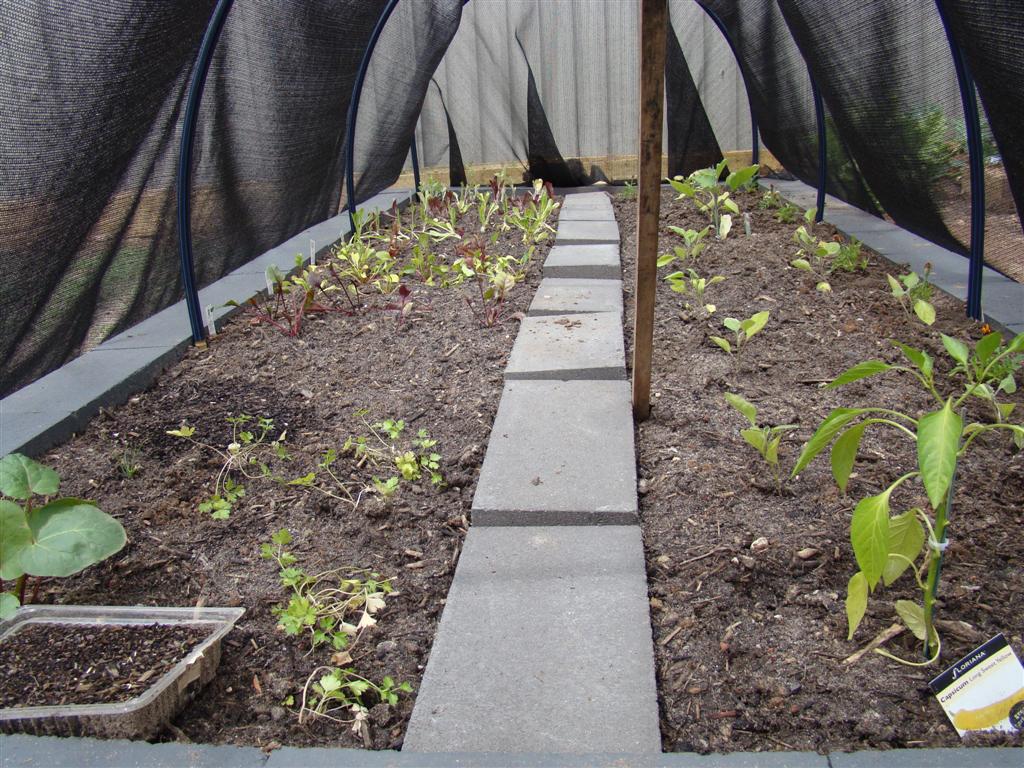
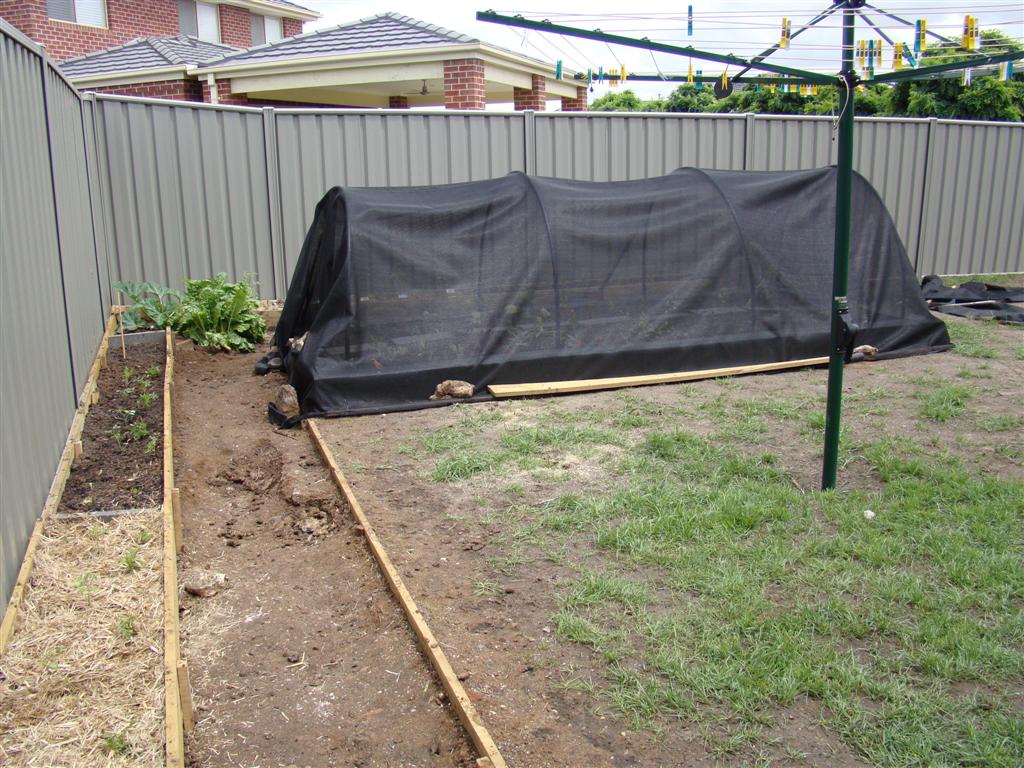
Julie says... MH, I see you still have unanswered questions - sorry I didn't get back to you. Re the Chinese celery, I don't know what went wrong, but you should definitely sow it in autumn. Maybe dud seed? Shadecloth over veggie garden - I have 50% cloth, and everything does well. It certainly saves a lot of water and stops capsicum, tomatoes etc getting sun-scorched. | About the Author Julie Roleystone 4th December 2008 6:11pm #UserID: 154 Posts: 1842 View All Julie's Edible Fruit Trees |
|||||||||||||||
| About the Author Julie Roleystone 4th December 2008 6:17pm #UserID: 154 Posts: 1842 View All Julie's Edible Fruit Trees |
||||||||||||||||
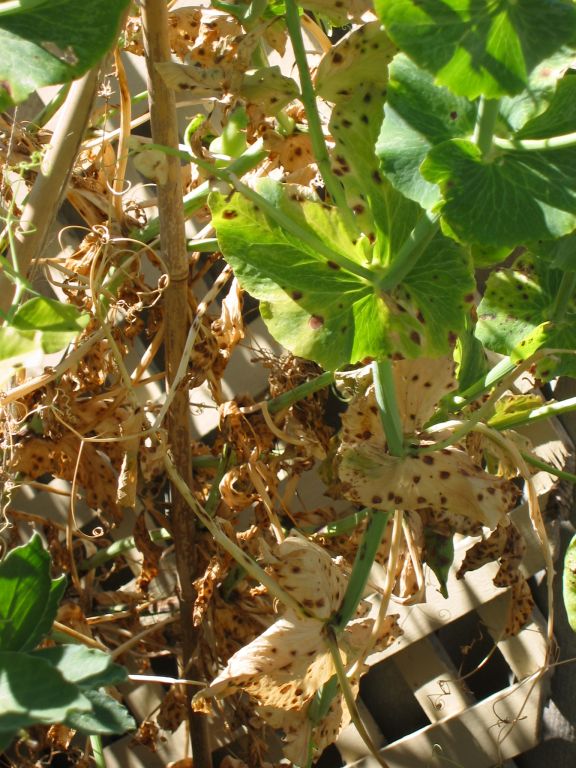
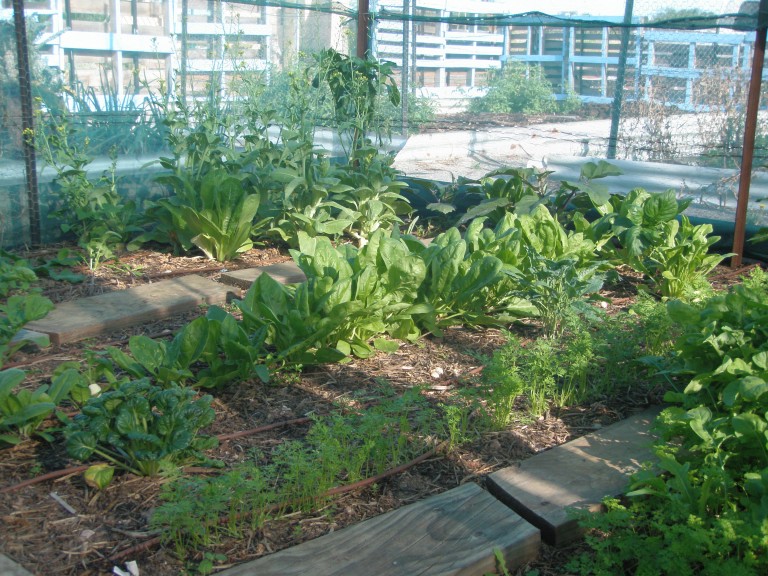
Scott says... Hi everyone, I have a problem with my veggie garden that I hope you can help me with. A few months ago I built two redwood raised veggie patch. It is 2000mmX1000mmX400mm. I filled it with layers starting from the bottom with newspaper then organic soil, kitchen scraps, then topped up with organic soil/mushroom compost mix. I use pea straw as a mulch around my plants. So to the problem. I planted broccoli and the plants grew well but the flower when eaten has a disgusting taste followed by a worse after taste. It isn’t bitter and defies description - sorry. Other symptoms are my tomatoes are refusing to grow but are producing small tomato’s that turn red while they are the size of marballs. The snow peas grow long runners up the trellis which only produce peas and leaves on the end and the rest of the leaves die and fall off. Actually everything is struggling except the beetroot which are huge and very tasty. We water well and the patch gets about 5-6 hours of full sunlight a day. (The picture was taken early in the morning and a few months ago.) We have fertilized once with a seaweed based fertilizer designed for veggies because the plot was new and had no active worms etc. Any help would be helpful Cheers Scott
| About the Author Scott5 Adelaide (SA) 11th December 2008 10:25am #UserID: 1017 Posts: 4 View All Scott5's Edible Fruit Trees |
|||||||||||||||
Jade says... Hi Scott Did you leave the garden for a while to let the ingredients break down or plant into it right away? If you did plant into it right away without planting the seedlings in pockets of potting mix or something that is already broken down it was probably too strong for the seedlings and may have burnt the roots. Here are some Gardening Australia links to No Dig Gardens: http://www.abc.net.au/gardening/stories/s867068.htm http://www.abc.net.au/gardening/stories/s2214370.htm http://www.abc.net.au/gardening/stories/s1484696.htm Hope this helps. | About the Author Jade Gold Coast 11th December 2008 11:52am #UserID: 1603 Posts: 3 View All Jade's Edible Fruit Trees |
|||||||||||||||
Julie says... Scott, could you explain what you mean by 'organic soil'? What sort of place did you get it from, and did it have added fertiliser? I started raised veggie beds some years ago using a mix from a local landscaper. Everything did brilliantly until it was invaded by neighbour's tree roots - now I can't grow anything in the beds at all. | About the Author Julie Roleystone 15th December 2008 1:34pm #UserID: 154 Posts: 1842 View All Julie's Edible Fruit Trees |
|||||||||||||||
Scott says... Hi Jade and Julie We planted right away using seedlings not seeds. The Organic Soil is a pre mix from my landscaper which is a mix of Loam, Mushroom compost, cow manure and some gypsum. Since my original post we have pulled the dead veggies out and are planing to wait until the weather warms up before planing a summer crop. Cheers | About the Author Scott5 Adelaide (SA) 19th December 2008 3:07pm #UserID: 1017 Posts: 4 View All Scott5's Edible Fruit Trees |
|||||||||||||||
| About the Author Sydney 28th December 2008 1:24pm #UserID: 0 Posts: View All 's Edible Fruit Trees |
||||||||||||||||
Leah says... Hi Scott, I just Google beetroot and it seems that they love high nitrogen soils. I am not sure how you measure the levels, but i do now that all of my guava plants are close to death because i feed them matter too high in nitrogen, which in turn makes the soil too salty. My citrus love the mix and thrive, but my tropical plants hate it and have all become sticks. (Sorry Daleys did such a good job raising them and i have not been kind to them.) Another forum reader might have suggestions on how to test for and correct imbalances. Cheers Leah | About the Author Leah Melbourne 30th December 2008 2:41pm #UserID: 862 Posts: 9 View All Leah's Edible Fruit Trees |
|||||||||||||||
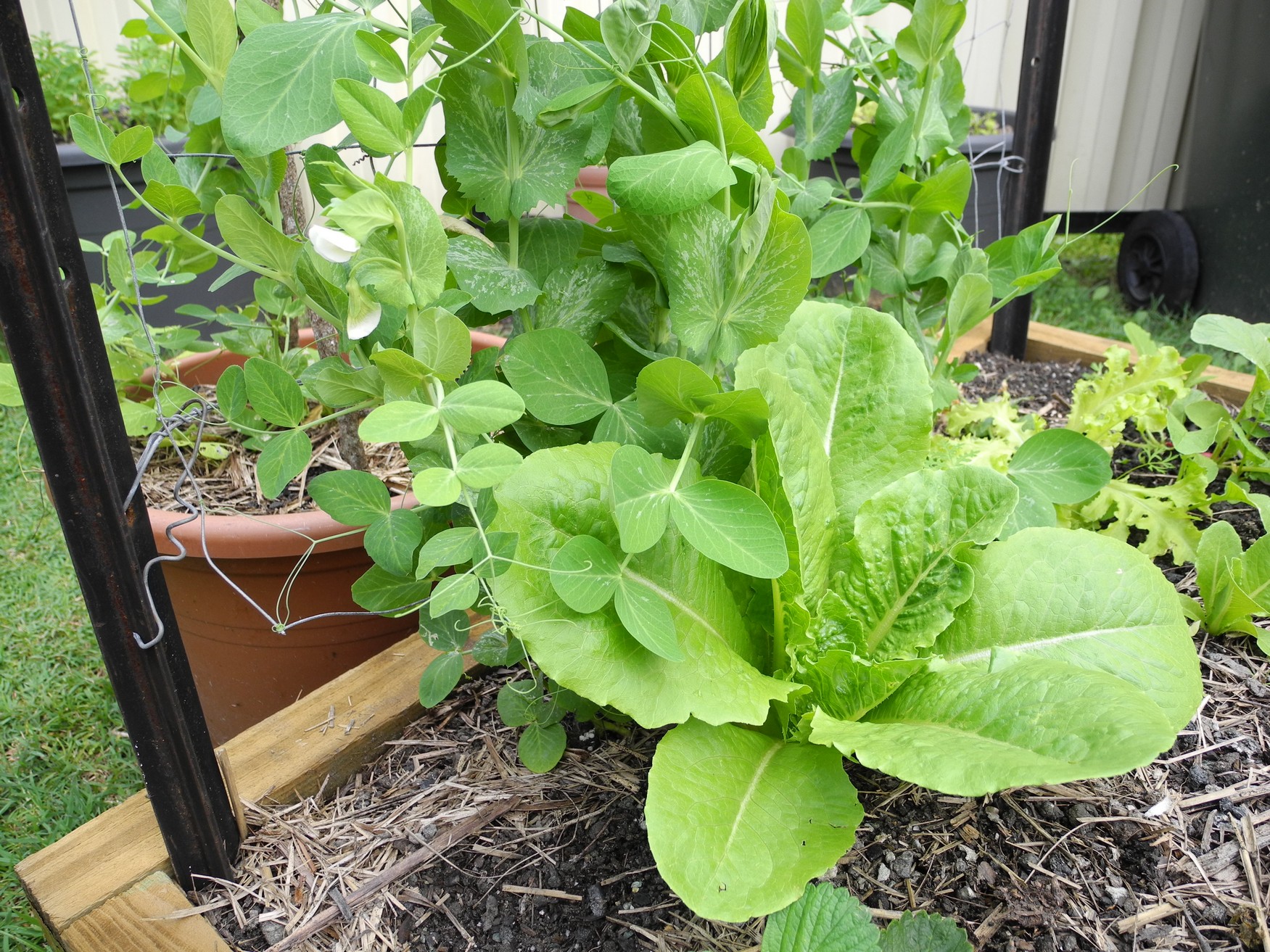
Bridget says... Hi, I was wondering if anyone knew what this plant is. My mum found it in her veggie patch about 6 weeks ago and has really come on. Its the first time ever sighted in the garden in 12 years. There is no bulb and it has tiny soft prickles/hairs on the back of the leaf. The shape is a little similar to a rhubarb leaf and grows like a lettuce where it is grouped and doesn't spread, however it has come up in various spots in the garden. She lives on the Mornington peninsula. Thanks
| About the Author Bridget2 Melbourne 2nd January 2009 3:03pm #UserID: 1809 Posts: 1 View All Bridget2's Edible Fruit Trees |
|||||||||||||||
| About the Author Jantina Mt. Gambier S.A. 2nd January 2009 7:12pm #UserID: 1351 Posts: 1272 View All Jantina's Edible Fruit Trees |
||||||||||||||||
| About the Author Julie Roleystone 2nd January 2009 7:58pm #UserID: 154 Posts: 1842 View All Julie's Edible Fruit Trees |
||||||||||||||||
| About the Author Leah Melbourne 3rd January 2009 9:34am #UserID: 862 Posts: 9 View All Leah's Edible Fruit Trees |
||||||||||||||||
Julie says... Leah, chicken manure can be just as damaging as synthetic nitrogen when overdone. Just keep watering and it will go - nitrogen is quickly used up. I suggest looking online for the individual needs of your plants. You can have the soil tested, but it is very expensive, and still won't tell you about what your own plants need. Sorry not to have been more help. | About the Author Julie Roleystone 6th January 2009 7:56pm #UserID: 154 Posts: 1842 View All Julie's Edible Fruit Trees |
|||||||||||||||
| About the Author 11th January 2009 8:59pm #UserID: 0 Posts: View All 's Edible Fruit Trees |
||||||||||||||||
| About the Author Jon Melbourne 14th January 2009 6:18pm #UserID: 1780 Posts: 70 View All Jon's Edible Fruit Trees |
||||||||||||||||
| About the Author Adam Melbourne 14th January 2009 8:18pm #UserID: 1613 Posts: 110 View All Adam's Edible Fruit Trees |
||||||||||||||||
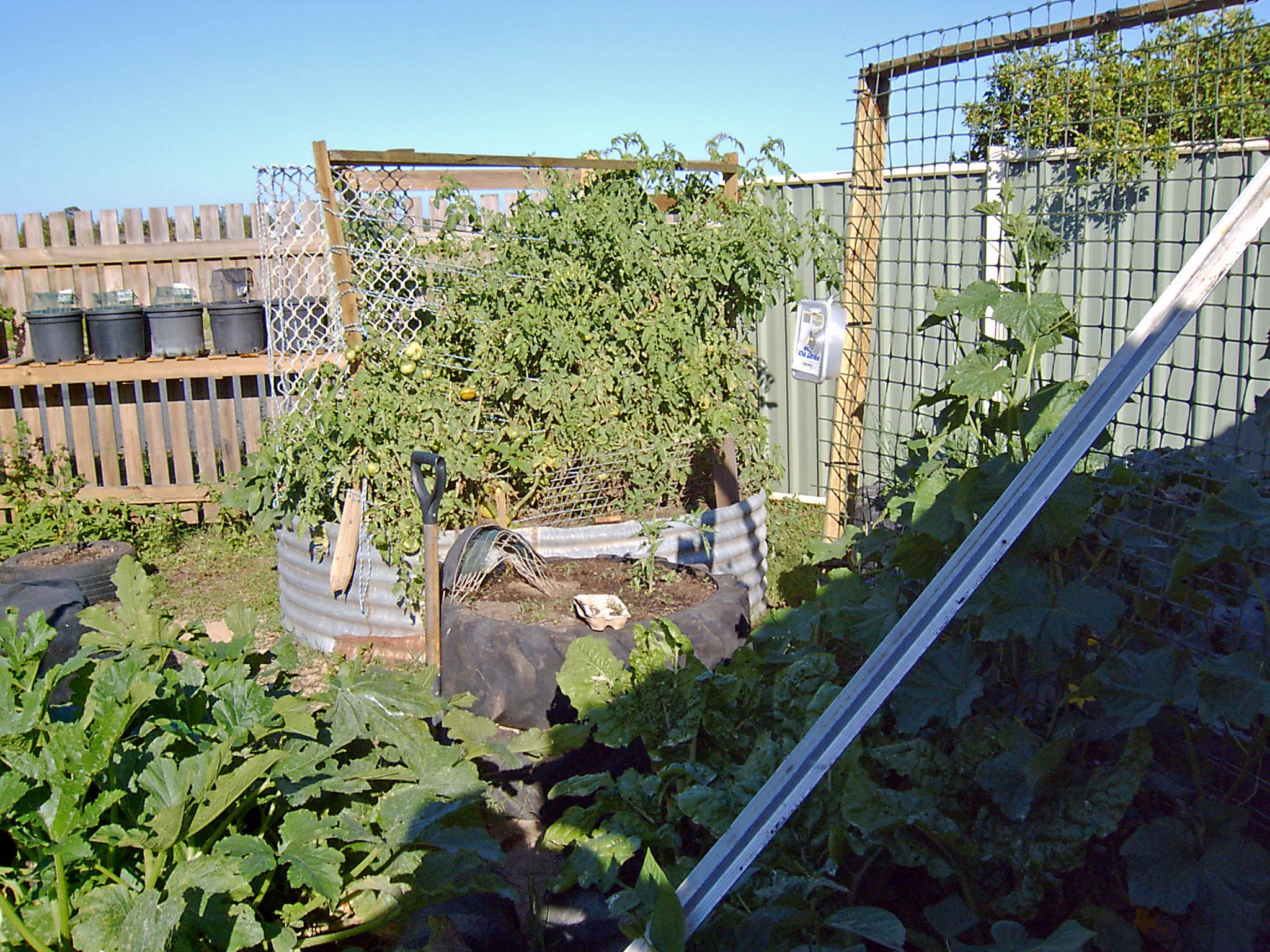
Barry says... Raised garden beds and cheaply. I did this when poverty stricken, a more or less permanent affliction. Old corrugated iron sheets and self drilling screws such as Tek screws are the materials. Tools are tinsnips (or an angle grinder) and a Tek gun. Decide how high you want the garden beds and cut the sheets of corrugated iron (across the corrugations) to that length. Fasten the sheets together with the tek screws to form a circle. 4 sheets fastened together will give you a circle just under 1m in dia, 8 will double that. You will want to be able to reach the centre of the circle to tend your plants. You can now proceed to use the circular form as a compost bin. It will not need staking as it is is self supporting especially as it fills up. It can be lined with plastic if desired, I havent bothered to do this but it should extend the life of the iron. When the bin is full, let the composting process get to work and make another enclosure. When the compost is ready, grow something in it. You will, of course, have to top-up the bin as the compost rots down. This does work, is dirt cheap and the corrugated iron will last for at least a couple of seasons depending on its state of repair when you start. (Smaller circles made in this way, with one or two sheets make very effective tree guards but will need some staking as they are not filled with composting material.) Self drilling metal screws are cheaper in large quantities. If you lay irrigation piping before you start under the formwork with a vertical riser up to a convenient height to later mount a spray jet you can simplify the business of watering when you establish the garden. A garden made from several of these circles is practical and can look quite appealing especially if surrounded by herbs or if the outer plants have a trail over the edges. | About the Author Barry1 Iluka NSW 21st January 2009 11:27am #UserID: 1898 Posts: 2 View All Barry1's Edible Fruit Trees |
|||||||||||||||
| About the Author Bundamba 21st January 2009 7:55pm #UserID: 0 Posts: View All 's Edible Fruit Trees |
||||||||||||||||
margro says... What a great forum I've stumbled into! I'm also about to go down the path of the raised garden bed...anyone have a view on using hebel rather than brick? I was originally going for hardwood sleepers but have found it difficult to source some in Adelaide. Having read this forum, people are also using bricks (which I thought was a no no), so I'm back on the brick/hebel road, rather than wood. So...questions are 1) is brick/hebel ok for raised garden beds? and 2) anyone have somewhere to recommend to get hardwood sleepers in Adelaide? Thanks all! | About the Author margro Adelaide 21st January 2009 10:01pm #UserID: 1902 Posts: 2 View All margro's Edible Fruit Trees |
|||||||||||||||
| About the Author 23rd January 2009 2:02pm #UserID: 0 Posts: View All 's Edible Fruit Trees |
||||||||||||||||
Andrew says... Hi, was having a good read and noticed heaps of good idea's. I have been looking at building some raised garden beds this weekend and have looked into a heap of options. In the end i think i will try to make one out of Zinc alum for the walls with a external treated pine frame and a rim around the top of some sort of hard wood as it may come into contact with the soil. I was planning on cutting the zinc alum in half long ways and estimate i can build 2 3mx1m beds for under $120 or so.. Any suggestions before i do this? will post pics when im done anyway! | About the Author Andrew5 Melbourne 23rd January 2009 7:08pm #UserID: 1909 Posts: 1 View All Andrew5's Edible Fruit Trees |
|||||||||||||||
| About the Author Sue12 Glenreagh 30th January 2009 3:02pm #UserID: 1936 Posts: 1 View All Sue12's Edible Fruit Trees |
||||||||||||||||
| About the Author don6 qld 2nd February 2009 5:31pm #UserID: 1945 Posts: 1 View All don6's Edible Fruit Trees |
||||||||||||||||
| About the Author none Adelaide 11th February 2009 8:07am #UserID: 1971 Posts: 1 View All none's Edible Fruit Trees |
||||||||||||||||
| About the Author Greg3 Largs NSW 13th February 2009 5:26pm #UserID: 24 Posts: 3 View All Greg3's Edible Fruit Trees |
||||||||||||||||
| About the Author 22nd February 2009 12:02pm #UserID: 0 Posts: View All 's Edible Fruit Trees |
||||||||||||||||
denise says... I made lots of tyre gardens. You need to cut the walls off to make best use of them. Someone uses a power jigsaw tool but I use a sharp garden knife. I took a while to get the skill and learnt the hard way to keep the blade facing away and keep the knife well in to avoid a harsh slip. At about 3cms away from the tread the rubber is thinner-cuts easier. I cover the ground with weedmat and space out the tyres and fill them with good soil/mix. It is great for winter especially as it keeps the soil warm. | About the Author denise4 auckland kiwiland 4th March 2009 11:11am #UserID: 1929 Posts: 73 View All denise4's Edible Fruit Trees |
|||||||||||||||
Lees says... Hi everyone. Have enjoyed reading your thoughts. Here is a different one for raised garden beds. At one of our local nursery's I saw a veggie bed display by one of the seedling companies and it was done as no dig garden in a harwood box. Think old potato/apple bins used on the farms and orchards, and that is what I have used. I have lined the boxes with weed mat and filled them half full with free draining soil. Have then filled the remainder with the no dig layering system. Our first planting was last October and had a fantastic result. This was done at my daughters Primary School and the kids have loved planting, watching produce grow and then tasting the end result.The bins we first planted into were 1.1m x 1.1m wide by inside depth of 600mm. Very surprising amount of produce to one bin and plants were very healthy, which I have put down to good preparation and great air flow due to being a raised garden bed.We have now started preparing soil in new bins that are 1.8m x 1.2m wide and 600mm inside depth, ready to plant even more. We are going to attempt growing fruit trees in them as well. All plantings done as companion planting and NO chemicals have been used at all. Not sure how long bins will last, but has been a great exercise for everyone involved. | About the Author Geelong Vic 25th March 2009 4:36pm #UserID: 0 Posts: View All 's Edible Fruit Trees |
|||||||||||||||
| About the Author melbourne 28th March 2009 4:27pm #UserID: 0 Posts: View All 's Edible Fruit Trees |
||||||||||||||||
deb says... I agree with shaz, Why buy items with added chemicals that you are actually told about. I have studied chemical buildup in the body and what happens is this. When we are young we are exposed to all sorts of chemicals, our body however has enough enzymes to remove these effectively. however as we age we are subject to more chemicals which remain in the cells of our bodies and the enzymes decrease with age. hence we get aches and pains and problems which plague us all as we get older. so the more you can eradicate chemicals from your lives, the better you will feel, even ordinary cleaners,moisturisers,etc they all contain petrochemicals.hope this helps.. | About the Author deb4 Australia 2nd April 2009 10:55am #UserID: 1375 Posts: 4 View All deb4's Edible Fruit Trees |
|||||||||||||||
| About the Author KathK perth 8th April 2009 7:18pm #UserID: 1744 Posts: 187 View All KathK's Edible Fruit Trees |
||||||||||||||||
| About the Author margro Adelaide 8th April 2009 9:29pm #UserID: 1902 Posts: 2 View All margro's Edible Fruit Trees |
||||||||||||||||
au0rey says... Kath, cool picture of your harvest. I am trying to be as organic as I can as well. Two questions. Manure and worm casting all these contain NPK, but how about the trace elements such as zinc, manganese..etc that the vege/fruits need? I do use manure and worm casting but I feel that I needed to use chemcial fertiliser at times for the trace elements. Also, are yours grown in ground or pot? Most of mine are in pots. Could that be the reason I have to resort to chemcial fertilisers as even premium potting mixes may not have the trace elements found in soil. | About the Author melbourne 9th April 2009 8:30pm #UserID: 0 Posts: View All 's Edible Fruit Trees |
|||||||||||||||
Julie says... au0rey, contact info@ecogrowth.com.au. They make a mineral mix which is suitable for organic growers. No need to resort to synthetic chemicals. I use it all the time, and have been growing organically for about 25 years. A lot of trace elements are missing from our soils, so growing in the ground wouldn't necessarily fix your problem. | About the Author Roleystone WA 9th April 2009 9:23pm #UserID: 0 Posts: View All 's Edible Fruit Trees |
|||||||||||||||
| About the Author KathK perth 9th April 2009 10:36pm #UserID: 1744 Posts: 187 View All KathK's Edible Fruit Trees |
||||||||||||||||
| About the Author melbourne 10th April 2009 12:08pm #UserID: 0 Posts: View All 's Edible Fruit Trees |
||||||||||||||||
| About the Author Roleystone WA 11th April 2009 6:18pm #UserID: 0 Posts: View All 's Edible Fruit Trees |
||||||||||||||||
wobbly says... hi i have a veggie garden i used half railway sleepers and just used wood posts to support it .it is 2.4 metres x1.20 metres bunnings cut the sleepers in half for me. i have a worm farm so i add the castings regularly , i add blood and bone and have a large bucket with horse manure in it which i top up with water then pour the water over the vegies. iam successfully growing pumpkins, tomatoes ,beans , peppers , spring onions , squash , spinach, silverbeet, and zucchini.the intial cost was the sleepers and wood stakes . the worm farm i have had for years . | About the Author wobbly Australia 13th April 2009 7:48am #UserID: 2180 Posts: 10 View All wobbly's Edible Fruit Trees |
|||||||||||||||
Galah says... Hi, What a great forum! I'm getting a 3.5m x 2m x 2.1m greenhouse delivered soon( can't wait), and plan to grow winter veggies in it. Can anyone who has grow winter veggies in southern Victoria in a greenhouse have any suggestions on what to grow? At the moment I have some seedlings happening in readiness for the greenhouse arrival including; brussel sprouts, snow peas and silverbeet. Any more types of veggies I can try over winter? | About the Author Galah Geelong 13th April 2009 10:16pm #UserID: 2185 Posts: 4 View All Galah's Edible Fruit Trees |
|||||||||||||||
Tiggerbow says... Hi All, I have been reading the forums in regards to garden beds and the problems which people are encountering. I think I have found a pretty good solution. I went to Tankmaster today in Midland (WA). They are producing poly 'earth rings'. These look very similar to the colourbond raised beds but seem to be cheaper and as they are made out of poly there is no rusting, corrosion, chemicals etc. They are light and seem to be quite cheap (800W x 1350L x 700H = $180.00). I am going to save my pennies and try these out. I hope this helps and when I give mine a go I will report back. Happy growing !! | About the Author Tiggerbow Perth, WA 18th April 2009 6:25pm #UserID: 2209 Posts: 30 View All Tiggerbow's Edible Fruit Trees |
|||||||||||||||
wobbly says... hi barry i want to make a compost area with corrugated iron but in a u shape so that i can access it to turn the compost.my non gardening hubby says the iron won t bend. all the water tank places sell them . they don t seem to support the shape only have stakes at the opening ? what do you think ? has any body else tried . thanks wobbly | About the Author wobbly Australia 20th April 2009 7:42am #UserID: 2180 Posts: 10 View All wobbly's Edible Fruit Trees |
|||||||||||||||
Jane says... I've stumbled across this forum and it has been really helpful to read. Thanks everyone! I'm building my no dig garden this weekend and I was going to use treated pine with plastic on the inside. I've now decided against this and I'm thinking about not using any surrounds at all. What are your thoughts on this? Is it a bad idea? | About the Author Jane7 Perth 24th April 2009 12:37am #UserID: 2229 Posts: 2 View All Jane7's Edible Fruit Trees |
|||||||||||||||
John I. says... Hi Jane, Gardening Australia did a piece on creating a no dig vegitable garden last year. They used a round design with a keyhole. As a border they simple used mulch. You can find the fact sheet on their website www.abc.net.au/gardening/stories/s2214370.htm | About the Author JohnI Melton 24th April 2009 7:05am #UserID: 1975 Posts: 248 View All JohnI's Edible Fruit Trees |
|||||||||||||||
| About the Author Jane7 Perth 24th April 2009 9:59am #UserID: 2229 Posts: 2 View All Jane7's Edible Fruit Trees |
||||||||||||||||
| About the Author Carol and Gary Perth 24th April 2009 4:05pm #UserID: 2231 Posts: 1 View All Carol and Gary's Edible Fruit Trees |
||||||||||||||||
Barry says... Hi Wobbly, the corrugated iron will bend easily because you are bending it along the axis of the corrugations and not across them as used for a normal gal. water tank. As for the open ends to access the compost so that you can get some exercise shovelling it around: make the structure in the shape of a semicircle and use star pickets at each end to anchor the sheets. Either use fairly long pickets so that there is about 500mm below ground level or use a loop of fencing wire to tie the tops of the pickets together. Twisting the wire loop will tension the pickets towards each other, as with a Spanish Windlass, If you want to use a U shape you will probably need more pickets to support the straight sides of the U | About the Author Barry1 Iluka NSW 26th April 2009 3:46pm #UserID: 1898 Posts: 2 View All Barry1's Edible Fruit Trees |
|||||||||||||||
au0rey says... This winter is going to be the first for my plants. Does anyone here grow thyme or rosemary or chilli? Do they turn yellow in winter? Mine seem to have some leaves doing so. Not sure if it is the cold or some deficiency. Would appreciate some advice.
| About the Author Melbourne 27th April 2009 5:56pm #UserID: 0 Posts: View All 's Edible Fruit Trees |
|||||||||||||||
Julie says... au0rey, thyme and rosemary don't usually turn yellow in winter. Could it be a pH problem? They are both very tough plants that don't normally have any problems. Chili will definitely 'go off' in cold weather, as it is a tropicl plant. The plant will stop producing and look a bit straggly. Give it a hard prune in August and it will take off again when the weather warms. | About the Author Roleystone WA 27th April 2009 7:55pm #UserID: 0 Posts: View All 's Edible Fruit Trees |
|||||||||||||||
| About the Author Roleystone WA 27th April 2009 8:02pm #UserID: 0 Posts: View All 's Edible Fruit Trees |
||||||||||||||||
au0rey says... Hi Julie! Thanks! All three are in pots but the thyme and rosemary never had this happening since I grew them last spring. I do hope it is not some deficiency cos I thought they do not need much to grow. As for the chilli, the yellowing is happening to the very young leaves for now. And new fruits shrivel before developing further. :) | About the Author Melbourne 27th April 2009 11:23pm #UserID: 0 Posts: View All 's Edible Fruit Trees |
|||||||||||||||
Julie says... I don't know about your chili - do you give it enough water? Just a thought. Could your thyme and rosemary need repotting? They are very deep-rooted plants that do best in the garden, especially rosemary, which is a medium sized bush. I have grown thyme in a pot,but it needed repotting every year to give room for the roots. Also, although they are drought-resistant when grown in the ground, they need regular water in pots. | About the Author Roleystone WA 28th April 2009 6:35pm #UserID: 0 Posts: View All 's Edible Fruit Trees |
|||||||||||||||
| About the Author bee13 Bayswater WA 30th April 2009 1:29am #UserID: 2255 Posts: 4 View All bee13's Edible Fruit Trees |
||||||||||||||||
au0rey says... Hi Julie, yeah my chilli plant gets sufficient water especially in the recent rains. I grow most my plants in pots cos i am renting and will move into purchased property end of the year. Really cant wait to plant them in the ground indeed. :) Will continue to monitor them and see what happens. | About the Author Melbourne 30th April 2009 7:12pm #UserID: 0 Posts: View All 's Edible Fruit Trees |
|||||||||||||||
| About the Author Roleystone WA 30th April 2009 8:29pm #UserID: 0 Posts: View All 's Edible Fruit Trees |
||||||||||||||||
| About the Author 30th April 2009 11:07pm #UserID: 0 Posts: View All 's Edible Fruit Trees |
||||||||||||||||
Kath says... I was doing a bit of research re the colourbond garden beds & came across a comment by a man who works in the steel industry that they are not suitable as being constantly moist they will rust out,-read Pomelo's comment on this link http://www2b.abc.net.au/tmb/Client/Message.aspx?b=72&m=3059&ps=20&dm=1&pd=3 At the garden show in Perth there was a company with a rustproof version-the link is http://www.tankmaster.com.au/mast_earth_rings.asp I don't know anyone who's tried them but it would be worth exploring as neither are cheap. | About the Author KathK perth 1st May 2009 2:06pm #UserID: 1744 Posts: 187 View All KathK's Edible Fruit Trees |
|||||||||||||||
Galah says... Bought this on ebay and I must say I am very satisfied with the service, price and product. http://cgi.ebay.com.au/Greenhouse-3-5x2x2M-Large-Green-Garden-Hot-House-New_W0QQitemZ330316941537QQcmdZViewItemQQptZLH_DefaultDomain_15?hash=item330316941537&_trksid=p3286.c0.m14&_trkparms=66%3A2|65%3A1|39%3A1|240%3A1318#ebayphotohosting I now have thriving seedlings for my winter veggies. Will keep you all updated in a month or two on how they are going. Maybe I will own a digital camera by then and can post some picks. | About the Author Galah Geelong 1st May 2009 11:25pm #UserID: 2185 Posts: 4 View All Galah's Edible Fruit Trees |
|||||||||||||||
| About the Author Ellen Smithfield 2nd May 2009 12:32am #UserID: 1339 Posts: 309 View All Ellen's Edible Fruit Trees |
||||||||||||||||
Galah says... We here in Victoria got hit with a southerly blast last week, with wind gusts up to 90kph, and the greenhouse held up ok. It was shaking quite a bit in the wind, but I had pinned the whole thing down with 8 long tent pegs looped over the bottom rung of the structure, and no damage at all. I was very impressed with it's strength, especially considering the price. | About the Author Galah Geelong 2nd May 2009 9:47am #UserID: 2185 Posts: 4 View All Galah's Edible Fruit Trees |
|||||||||||||||
barry says... Kath, I am not speculating or theorising about using corrugated iron or colorbond to form garden beds. I have been doing it for several years. No, the sheets do not last forever. They do last for several years. You can extend the life by lining the sheets with black plastic. I doubt if any other method for making raised garden beds can compete in time, convenience or cost. | About the Author barry7 Iluka 2nd May 2009 11:46am #UserID: 2264 Posts: 1 View All barry7's Edible Fruit Trees |
|||||||||||||||
Wayne says... Galah says... "I was very impressed with it's strength, especially considering the price." --- Well done, please keep us informed as to how the shelter is going, the UV factor would be interesting, however, after just a couple of seasons it should pay for itself. ======================= For raised garden beds I am gathering up some old tractor and truck tyres from the tyre people. I'm thinking that tyres will last forever, you can get different sizes, you can stack them on top of each other to make the bed deeper, and the best part of it is that they are free. If you don't like the wide rim simply cut it off with a jig saw. Once I get them organized I'll post some pics. | About the Author Wayne Mackay 2nd May 2009 2:52pm #UserID: 338 Posts: 908 View All Wayne's Edible Fruit Trees |
|||||||||||||||
Carol and Gary says... Hi we seem to have a healthy debate going on re colorbond raised beds.We have been using ours for 4 years it shows no signs of wear,we know of others that have been in use longer.We agree with Barry for time cost and effort you cant beat it.The aount of money saved in the last 4 years far outweighs the initial cost.In addition they are light, assembled and eaily moved and pleasing to the eye. | About the Author 3rd May 2009 3:00pm #UserID: 0 Posts: View All 's Edible Fruit Trees |
|||||||||||||||
| About the Author Perth 3rd May 2009 3:14pm #UserID: 0 Posts: View All 's Edible Fruit Trees |
||||||||||||||||
Kath says... these are a poly version of the raised beds so in theory should outlive any of us -it should be a one off purchase I'd imagine as they won't rust and the price is comparible http://www.tankmaster.com.au/mast_earth_rings.asp
| About the Author KathK perth 3rd May 2009 3:23pm #UserID: 1744 Posts: 187 View All KathK's Edible Fruit Trees |
|||||||||||||||
| About the Author Perth 3rd May 2009 4:22pm #UserID: 0 Posts: View All 's Edible Fruit Trees |
||||||||||||||||
carol and gary says... hi jim re:information on raised colorbond beds sizes:round from 965 diameter to 3450 diameter smallest oblong width 610mm length 1170mm largest 1500mm width 3000 length rectangular width 1000mm length 1000mm largest 1500mm width length 3000mm There are a large range of sizes inbetween these examples. They are one complete unit All have a rolled top safety edge and are blind riveted. All come in the full range of colorbond colours Lightweight can be moved by one person | About the Author 3rd May 2009 5:15pm #UserID: 0 Posts: View All 's Edible Fruit Trees |
|||||||||||||||
Wayne says... I paid a visit to our local tyre dealer this morning and he was most pleased to give me these tractor tyres for nothing. They do look a bit unsightly but once I position them, level them and cut the tops out they should dress up OK. Perhaps not for all but in my back yard they don't look to much out of place. Sort of goes with the old outhouse. The tyres cut quiet easily with a course blade in a jigsaw
| About the Author Wayne Mackay 9th May 2009 3:30pm #UserID: 338 Posts: 908 View All Wayne's Edible Fruit Trees |
|||||||||||||||
| About the Author Jirt Redlands Qld 10th May 2009 3:35pm #UserID: 2204 Posts: 8 View All Jirt's Edible Fruit Trees |
||||||||||||||||
amanda says... I used left over colourbond sheets from building our house and star pickets - cheap n easy and my hubby used the angle-grinder on any sharp edges. Seen people use split hose for edges too. We have termite heaven here. I wouldn't use tyres for root veg (which is a storage organ) - they are full of awful chemicals that may leach under certain conditions (eg - acidity, moisture, bacteria)Perhaps a question for BC gardening australia guys? | About the Author amanda19 geraldton WA 10th May 2009 6:58pm #UserID: 2309 Posts: 4607 View All amanda19's Edible Fruit Trees |
|||||||||||||||
Wayne says... Good comment Jirt, so I did some research. http://tireprojectsforhawaii.com/gardening.aspx | About the Author Wayne Mackay 10th May 2009 7:01pm #UserID: 338 Posts: 908 View All Wayne's Edible Fruit Trees |
|||||||||||||||
| About the Author amanda19 geraldton WA 10th May 2009 7:01pm #UserID: 2309 Posts: 4607 View All amanda19's Edible Fruit Trees |
||||||||||||||||
| About the Author amanda19 geraldton WA 10th May 2009 7:10pm #UserID: 2309 Posts: 4607 View All amanda19's Edible Fruit Trees |
||||||||||||||||
richard says... I am planning to use untreaded hardwood sleeper from bunnings. Intended to have a 600mm high raised vege plot. To overcome termite infesting the hardwood, I believe that by raising the bottom stack by 200mm with bricks shouls be able to overcome the problem. That means bottom 200mm is brick and top 400mm is hardwood sleeper. Just wonder has any body tried it yet? | About the Author richard7 victoria 15th May 2009 11:06pm #UserID: 2328 Posts: 2 View All richard7's Edible Fruit Trees |
|||||||||||||||
Wayne says... Hello Richard I'm afraid that the termites will still be able to reach the hardwood by climbing up the inside of the beds. What sort of hardwood will you be using, normally termites will attack only the sap wood part of hardwood but if you can get iron bark or stringy bark they will not touch them at all. | About the Author Wayne Mackay 16th May 2009 7:02am #UserID: 338 Posts: 908 View All Wayne's Edible Fruit Trees |
|||||||||||||||
| About the Author amanda19 geraldton WA 16th May 2009 11:50am #UserID: 2309 Posts: 4607 View All amanda19's Edible Fruit Trees |
||||||||||||||||
| About the Author Wayne Mackay 16th May 2009 6:08pm #UserID: 338 Posts: 908 View All Wayne's Edible Fruit Trees |
||||||||||||||||
| About the Author Kaye1 Perth 16th May 2009 7:06pm #UserID: 2331 Posts: 1 View All Kaye1's Edible Fruit Trees |
||||||||||||||||
| About the Author richard7 victoria 16th May 2009 9:30pm #UserID: 2328 Posts: 2 View All richard7's Edible Fruit Trees |
||||||||||||||||
amanda says... Richard - maybe you should speak with your local pest controller first. The termites eat our railway sleepers and jarrah stakes here(it is a myth that termites wont touch jarrah) and when I asked ours why - he told me that they will go for anything outside their normal diet - they love hardwoods cos they are a 'treat' but more importantly they are a long lasting food source for them. Termites love moisture also - so a wet veggie bed will soon make your timber soft, dark and attractive to them. Maybe you could try burying a piece of your chosen timber in a good spot and see what happensb4 you invest $$ | About the Author amanda19 geraldton WA 17th May 2009 12:30pm #UserID: 2309 Posts: 4607 View All amanda19's Edible Fruit Trees |
|||||||||||||||
ally says... Hi Richard As a novel idea, I used old terracotta pots I had laying around. They were all at least 30cm high as a minimum and then I lined around the inside with some cheap plastic edging on a roll, to stop the dirt slipping through the cracks. The pots looks natural and I also put herbs in the pots to protect my vegies in the beds. | About the Author ally sydney 17th May 2009 1:36pm #UserID: 2332 Posts: 2 View All ally's Edible Fruit Trees |
|||||||||||||||
| About the Author Wayne Mackay 17th May 2009 6:02pm #UserID: 338 Posts: 908 View All Wayne's Edible Fruit Trees |
||||||||||||||||
katie says... Hey guys new to site i use colorbond containers no probs for 2 years Using timber seems to be a major hassle after reading last 15 posts.It all seems to much of a problem.Might cost a bit in beginning but place fill and plant is a lot easier.Ive tried the other ways but now im a convert. | About the Author katie4 Rockingham WA 18th May 2009 4:20pm #UserID: 2343 Posts: 1 View All katie4's Edible Fruit Trees |
|||||||||||||||
| About the Author Van1 3rd June 2009 11:57pm #UserID: 2424 Posts: 7 View All Van1's Edible Fruit Trees |
||||||||||||||||
Julie says... Hi van. I would say it is far too late to sow anything from seed now. You may be able to buy seedlings from a nursery which would do OK. I sowed seeds of various veg in March, then more in April. The March ones did really well, the April ones struggled. Although the weather was warm, the day length had changed, enough to make a difference. It won't be long before you can think of sowing summer crops. I start seeds of tomatoes, capsicum and chili inside in July - not so far away! Maybe use the time learning and planning, or making compost! | About the Author Roleystone WA 7th June 2009 5:30pm #UserID: 0 Posts: View All 's Edible Fruit Trees |
|||||||||||||||
wobbly says... hi i am on my second vegie garden at the same address [22 years] the first i just used the jarrah edging and 2 years ago i upgraded and made the garden bigger and used the redgum sleepers from bunnings . i have never had any termites wreck the edging.the original garden i used lucern hay ,mushroom compost horse manure and potting mix .did not dig at all , this time i filled the area with soil horse manure , worm casting and some blood and bone, ijust dug the grass off the top about 2 inches. i put weed mat around the area and between the beds. | About the Author clematis vic 8th June 2009 9:13am #UserID: 0 Posts: View All 's Edible Fruit Trees |
|||||||||||||||
| About the Author Roleystone WA 8th June 2009 4:19pm #UserID: 0 Posts: View All 's Edible Fruit Trees |
||||||||||||||||
| About the Author Brad2 Perth 8th June 2009 4:36pm #UserID: 2323 Posts: 762 View All Brad2's Edible Fruit Trees |
||||||||||||||||
Galah says... Hi all. Just got back from an organic farm(see below link), and saw some newly planted potatoes that are thriving in a winter. http://www.gardenfarm.biz/ They use inexpensive wire( cook wire or similar), and form a circle about 1 metre in diameter. Then lined with a generous thickness of straw, filled to about 40cm with compost and plant the potatoes in that. The straw keeps the soil warm enough for the spuds to thrive, and if frost is a threat, they gust throw plastic or Hessian over the plot to protect them. | About the Author Galah 9th June 2009 11:17am #UserID: 2185 Posts: 4 View All Galah's Edible Fruit Trees |
|||||||||||||||
Julie says... Galah,good idea, I forgot about potatoes. Van mentioned growing from seed, so that's what I focused on. I don't know where you live Van, but in Perth, July and January are the usual months for putting in potatoes. I think on this forum it is helpful to say where you are, as climates are so varied around australia. | About the Author Roleystone WA 9th June 2009 7:59pm #UserID: 0 Posts: View All 's Edible Fruit Trees |
|||||||||||||||
| About the Author Van1 Melbourne 9th June 2009 10:42pm #UserID: 2424 Posts: 7 View All Van1's Edible Fruit Trees |
||||||||||||||||
amanda says... Hi Van - I swear by Pete Cundalls method of growing spuds..I get bumper crops and then the soil is absolutely perfect for growing the hungry crops afterward, when the weather warms. The spuds are also nice n clean. I grow a thick lupin crop - whipper-snipper it, put the spuds on top, a handful of soil, some blood n bone n lots potash, then a meter thick straw, water well, then chuck anything you have got on top - soil, sawdust, some manure (not too much) cheap potting mix, seaweed etc, water again...and that's it. I don't need to hill them at all - just water and watch them go. The worms go mad and you have also conditioned your soil for little effort. | About the Author amanda19 geraldton.WA 10th June 2009 10:53am #UserID: 2309 Posts: 4607 View All amanda19's Edible Fruit Trees |
|||||||||||||||
| About the Author Roleystone WA 10th June 2009 5:14pm #UserID: 0 Posts: View All 's Edible Fruit Trees |
||||||||||||||||
amanda says... Hi Julie - last yr I used shop ones - no problems at all (used white, royal blu and kipfler - my fave) This year I tried the same thing and they went rotten (I don't think they were fresh enuf') - but the 1/2 doz organic one's (King edwards) ok. I replanted the same plot with seed spuds and they doing very well (I rotate the bed each season) Others I know use shop one's with no prob's too. I drool over the Diggers selections..another quarantine no-no :(( | About the Author amanda19 geraldton.WA 10th June 2009 6:06pm #UserID: 2309 Posts: 4607 View All amanda19's Edible Fruit Trees |
|||||||||||||||
| About the Author amanda19 geraldton.WA 11th June 2009 6:26pm #UserID: 2309 Posts: 4607 View All amanda19's Edible Fruit Trees |
||||||||||||||||
| About the Author scott8 coffs harbour 2nd July 2009 10:47am #UserID: 2517 Posts: 1 View All scott8's Edible Fruit Trees |
||||||||||||||||
Esther says... Hi all, It's been interesting reading. I'm in the process of building a raised vege garden and never really thought about all the options. I did read recently on the internet about a guy using boric acid, which is virtually harmless I think, to "paint" his untreated wood with which makes it unpalatable to termites and it won't rot. Sounds too good to be true???? I don't know. Maybe it's worth checking out. | About the Author Esther2 Gympie 6th July 2009 6:59pm #UserID: 2529 Posts: 1 View All Esther2's Edible Fruit Trees |
|||||||||||||||
| About the Author Roleystone WA 6th July 2009 7:31pm #UserID: 0 Posts: View All 's Edible Fruit Trees |
||||||||||||||||
| About the Author Dekka Newcastle 6th July 2009 7:53pm #UserID: 102 Posts: 219 View All Dekka's Edible Fruit Trees |
||||||||||||||||
MindfulMama says... Great discussion - I've learnt a lot :) Wanted to pass on that hardwood isnt necessarily chemical free - we had a hardwood fence installed presuming it was CCA free only to find out after the fact that the posts were in fact treated. With the raised tank beds, anyone know about the dangers of the PVC / polymer coating leaching nasties like formaldehdye into the soil? I know PVC is a general no-no, just not sure about its use in gardening? And what to do about the fact that all our garden beds will have to be near CCA treated timber fences? There doesnt seem to be any conclusive facts I can find about how far away from the fences I need to plant (& we dont have a lot of space to spare!) & what I can do to protect the space from the fences leaching. | About the Author MindfulMama Brisbane 21st August 2009 9:57pm #UserID: 2700 Posts: 1 View All MindfulMama's Edible Fruit Trees |
|||||||||||||||
Wayne says... I must agree with you MindfulMama, any hardwood with the sap wood still attached will be treated, the borers will not touch the heart wood of most hardwoods but will eat out the sap wood. The only exception to that rule that I know off is Yellow Stringy Bark, the borers do not touch any part of the tree. Perhaps Turpentine is the same. I used to like building houses with the Yellow Stringy but it is very hard to come by now. The coal miners up here strip clear huge tracks of it and other good hardwood be we are not allowed to touch it. Better they burn it rather than put it to good use. | About the Author Wayne Mackay QLD 22nd August 2009 6:46am #UserID: 338 Posts: 908 View All Wayne's Edible Fruit Trees |
|||||||||||||||
Reply |
| Remember to
LIKE this Answer(0)
LIKE this Question (0)
Original Post was last edited: 22nd August 2009 6:47am | ||||||||||||||||
Wayne says... "anyone know about the dangers of the PVC / polymer coating leaching nasties like formaldehdye into the soil?" ---------- I know nothing about this MindfulMama and I really don't have a problem with CCA treated pine around garden beds. Very little if any poison would leach out in my opinion and what does would be so minuscule that it wouldn't be worth worrying about. I have worked with treated timber all my life with no side effects. My "tyre garden" has progressed with Tomatoes, Beans, Zucchinis, Eschallots, Cucumbers, Silverbeet and Cos Lettuce. I gave the Mango tree a prune with the chain saw hoping to try help control the Anthracnose but you might be able to see the dying flowers on top where I can't reach with the spray. Notice the deformed Zucchini flowers in the last photo
| About the Author Wayne Mackay QLD 22nd August 2009 8:25am #UserID: 338 Posts: 908 View All Wayne's Edible Fruit Trees |
|||||||||||||||
Wayne says... My "tyre garden" has progressed with tomatoes, eschallots, zucchinis, beans, silverbeet, cucumbers and cos lettuce. Note the deformed zucchini flowers. I know nothing about "PVC / polymer coating leaching nasties" but I have worked with treated timber all my life and don't have a problem with it.
| About the Author Wayne Mackay QLD 22nd August 2009 8:34am #UserID: 338 Posts: 908 View All Wayne's Edible Fruit Trees |
|||||||||||||||
| About the Author amanda19 Geraldton. WA 22nd August 2009 10:49am #UserID: 2309 Posts: 4607 View All amanda19's Edible Fruit Trees |
||||||||||||||||
| About the Author Wayne Mackay QLD 22nd August 2009 11:09am #UserID: 338 Posts: 908 View All Wayne's Edible Fruit Trees |
||||||||||||||||
amanda says... Oh...do u think it might be a virus or something? (mosiac viruses make cucumbers n zucchinis go all wierd...) If the leaves are the same then probly ok..keep eye on it tho' ..maybe just a mutant too... There's a picture of one on this link: http://www.annettemcfarlane.com/diseaseID.htm | About the Author amanda19 Geraldton. WA 22nd August 2009 11:15am #UserID: 2309 Posts: 4607 View All amanda19's Edible Fruit Trees |
|||||||||||||||
Wayne says... Thank you Amanda, the leaves are not deformed but I will keep an eye on it and post more pics later. Interesting photo of that Tahitian Lime with Stylar end rot, my fruit developed that and I cured it with Epsom salts, now I let the fruit yellow and drop with no problems
| About the Author Wayne Mackay QLD 22nd August 2009 2:06pm #UserID: 338 Posts: 908 View All Wayne's Edible Fruit Trees |
|||||||||||||||
| About the Author Roleystone WA 29th August 2009 7:11pm #UserID: 0 Posts: View All 's Edible Fruit Trees |
||||||||||||||||
bob says... ohh no, i just finished my first raised veggie garden and have enough for a second in C.C.A. H4 from bunnings and im so thrilled not , now i have stumpled on this forum maybe the black plastic on the insides will help, or do i cart it all to the tip and start again, i was here to ask what was best to use underneath to stop weeds and not feed the white ant population and soil type etc help !! | About the Author bob9 Australia 30th August 2009 3:32pm #UserID: 2727 Posts: 2 View All bob9's Edible Fruit Trees |
|||||||||||||||
Reply |
| Remember to
LIKE this Answer(0)
LIKE this Question (0)
Original Post was last edited: 30th August 2009 3:40pm | ||||||||||||||||
Wayne says... Simply carry on Bob in my opinion, I wouldn't worry to much. By all means line the inside with black plastic, or possibly paint it with a water based paint ?????? or perhaps line the inside with hardiflex????? How deep is it? You shouldn't need to use anything to stop the weeds, as far as the white ants go, they won't hurt much. Soil type?? the best you can afford from what's available, plenty of mulch etc. Good luck | About the Author Wayne Mackay QLD 30th August 2009 3:44pm #UserID: 338 Posts: 908 View All Wayne's Edible Fruit Trees |
|||||||||||||||
| About the Author Wayne Mackay QLD 30th August 2009 3:59pm #UserID: 338 Posts: 908 View All Wayne's Edible Fruit Trees |
||||||||||||||||
| About the Author bob9 Australia 7th September 2009 5:51am #UserID: 2727 Posts: 2 View All bob9's Edible Fruit Trees |
||||||||||||||||
| About the Author Wayne Mackay QLD 7th September 2009 9:34am #UserID: 338 Posts: 908 View All Wayne's Edible Fruit Trees |
||||||||||||||||
wobbly says... hi i have had some great advice and help from everybody before . thank you. i am putting a 64 metre path i have managed to get 3 trailer loads of bricks and a load of fine road base i am planning to put the cement the bricks end to end as the edge and put the road base as the path. my questions are 1. do i have box the bricks in ? so when i put the gravel in and compact it down the bricks will stay put. 2. if i cement the edging and leave it for aweek or so will the cement be off and i wont have to box it in? 3 . i am trying to do this a cheap as possible, but i do want it to last !is the easiest way to compact it with a machine or is there some thing i have at home that will do the job ? next problem .... my broccoli and cauliflower heads are not happening i read some where to much some thing ?? cant remember what it was , i use aged horse manure , worm casting , blood and bone, and seaweed liquid regularly . what am missing or am i putting tooo much ?? thanks again everybody . | About the Author wobbly clematis 15th September 2009 12:32pm #UserID: 2180 Posts: 10 View All wobbly's Edible Fruit Trees |
|||||||||||||||
Wayne says... Hey wobbly, a 64M path is one big job, that's over 200ft long. I have done 100's over the years so here we go. [1] You need to de-grass the site first [2] Lay a minumum of 100mm of road base and screed roughly to the required height. [3] For a better job hire a whacker packer or you can make your own stomper. If you can weld, get a bit of 1"x1" about 5' long for a handle and weld it to a bit of heavy flat plate say 12" x 8" x 1/2". If you can't weld get a pick or mattock and fasten a bit of 2" hardwood to the end of it, leave the head on for weight. [4]Once you've done this you should need to add another 1/2" or less to get it to the right level. Sand is best for this, screed it to what height you want and lay the bricks taping them with a rubber mallet as you go to settle them. [5] Very important ---- Ensure that you have laid the road base at least 4" wider each side of the path. [6] Make up a mix of 3 parts coarse sand to 1 of cement, not to wet. Lay it along the sides and taper it off to nothing in 4" As far as the broccoli etc goes, I don't know | About the Author Wayne Mackay QLD 15th September 2009 5:58pm #UserID: 338 Posts: 908 View All Wayne's Edible Fruit Trees |
|||||||||||||||
| About the Author Brendan Mackay, Q 16th September 2009 6:43am #UserID: 1947 Posts: 1722 View All Brendan's Edible Fruit Trees |
||||||||||||||||
amanda says... Cool Brendan - I will try that - I grow great broccoli but lousy cauli's! Mine either don't form a head or go all flowery whilst they are growing it. I think sometimes it's either too warm here - or that Bunnings isn't getting the right varieties in at the right time (most likely) (or they are lousy varieties - as one professional grower told me) Are there any varieties of cauli u can recommend? | About the Author amanda19 Geraldton. WA 16th September 2009 9:42am #UserID: 2309 Posts: 4607 View All amanda19's Edible Fruit Trees |
|||||||||||||||
Brendan says... Hi amanda, The varity I grew was called 'Phenomenal Early'. They did take a long time to grow though. I haven't grown them for a while, I must put some in next year, too late here now. After planting out the seedlings, I'd put green sawdust around the plant, this keeps the slugs away. A dressing of dolomite (or lime), helps too. And don't forget the seaweed mulch. | About the Author Brendan Mackay, Q 17th September 2009 6:39am #UserID: 1947 Posts: 1722 View All Brendan's Edible Fruit Trees |
|||||||||||||||
amanda says... Ok Brendan - will do. Interestingly - I have not had slugs (or snails) up until this winter - they have finally found our oasis! I got a real shock when I shone the torch on the lawn the other night - there were hundreds of small one's. The lawn looks great. Should I treat it for the slugs? | About the Author amanda19 Geraldton. WA 17th September 2009 9:00am #UserID: 2309 Posts: 4607 View All amanda19's Edible Fruit Trees |
|||||||||||||||
| About the Author Toby Perth 17th September 2009 12:01pm #UserID: 2325 Posts: 10 View All Toby's Edible Fruit Trees |
||||||||||||||||
| About the Author amanda19 Geraldton. WA 17th September 2009 4:51pm #UserID: 2309 Posts: 4607 View All amanda19's Edible Fruit Trees |
||||||||||||||||
wobbly says... thank you wayne i wanted to use the house bricks as the edge and put the very fine road base as the path so do i have to put the sand under the road base and can i cement the bricks as the edge and pack down the road base. [like when you use lilydale toppings] the path was meant to be simple and easy just to get rid of a slippery shaded goat track. but i have been given the bricks and the 12 ton of road base so it has changed !!!! | About the Author wobbly clematis 17th September 2009 6:36pm #UserID: 2180 Posts: 10 View All wobbly's Edible Fruit Trees |
|||||||||||||||
amanda says... Good luck Wobbly! Sounds like **@# hard work to me :) We laid all our paths in a thick layer of cracker dust (granite dust I think) They are great - it's cheap stuff to buy in and a few hrs with an experienced bob-cat operator and the jobs done. For the few weeds that make it thru' - just a toe kick with the boot and that's it. Great for kids on bikes etc. I love them. Can highly recommend for anyone who needs to lay a lot of path. :) | About the Author amanda19 Geraldton. WA 18th September 2009 9:46pm #UserID: 2309 Posts: 4607 View All amanda19's Edible Fruit Trees |
|||||||||||||||
Wayne says... Sorry about the delay wobbly You won't need sand for that job nor cement, just set the bricks on a couple of inches of the base. Spread dirt on one side to within say an inch from the top of the bricks to allow for the lawn and the road base to the height you require between the bricks, pack both dirt and base well. A stomper is enough for this job. If you wish for a more stable edge you could spread a mix of 4 sand to 1 cement under the bricks and lay them in that, like a bricklayer does. Have fun | About the Author Wayne Mackay QLD 19th September 2009 5:17am #UserID: 338 Posts: 908 View All Wayne's Edible Fruit Trees |
|||||||||||||||
Reply |
| Remember to
LIKE this Answer(0)
LIKE this Question (0)
Original Post was last edited: 19th September 2009 7:34am | ||||||||||||||||
Jo says... HiWayne (Mackay) I used truck tyres stacked 4 high for my worm farm, masses of worms and I throw everything into all yard clippings and use the mower to mulch all the fallen leaves in the yard etc and throw all that in too. I have covered the tyre tower with super thick mattress protector in white but left the tyres black, the tyres are in dappled shade. I also have seperate compost areas but I find that the tyre worm farm produces the quickest and best compost/worm castings. When I feel like it (like to get to the bottom of the pile once or twice a year mmm yum LOL) I pull the top tyre off and just start a new pile then add the second tyre from the other pile when I have used the compost that was at that level and so on until all tyres are on the new pile. The worms that are in the edges of the tyres are more than enough to start the worm farm off again. Cutting the rims out was not easy though. The truck tyres all had steel in them. Tried with angle grinder, snips and the jigsaw but in the end only managed to cut two walls out - one wall out of two tyres. It works fine because the protected area between the walls encourages worms to bed in them and so when starting the new pile of tyres - lots of worms in there. I use car tyres for planters and when I am able to pick up more truck tyres I will make a second worm/compost bin. Cheers Jo | About the Author Jo1 Eagleby QLD 20th September 2009 2:18am #UserID: 2808 Posts: 2 View All Jo1's Edible Fruit Trees |
|||||||||||||||
| About the Author Wayne Mackay QLD 20th September 2009 4:28am #UserID: 338 Posts: 908 View All Wayne's Edible Fruit Trees |
||||||||||||||||
Antz Pantz says... Thanks EVERYONE for sharing :) I lived 3 blocks from the beach & virtually have NO soil ~ only sand ~ & I am renting. My feeling was that raised gardens were my only option & I have been dabbling with tyres quite sussessfully. Pls see potatoes now 3 tiers high & alwast ready for another. The small square beds were made cheaply with $7 little bamboo fences (from cheap shop, lined with thick cardboard wrapped in black gardening plastic (about 60c a meter from any hardware). I have sourced mushroom compost for 50-60c per bag. I used 5 of these + 1 big bag of horse poo ($2) & semi fine cane mulch layered in both beds (same composition in tyres). I'm getting beautiful big fresh mushies every day. Seedlings have done so well using ONLY mushroom compost in handmade newspaper pots ~ the fabulous wooden tool for making these is available online at Green Harvest ~ who specialize in online ordering of ORGANIC SEEDS. www.greenharvest.com.au
| About the Author Antz Pantz Peregian Beach, Sunshine Coast, Qld. 21st September 2009 1:37pm #UserID: 2815 Posts: 1 View All Antz Pantz's Edible Fruit Trees |
|||||||||||||||
| About the Author Hillside Melbourne 27th September 2009 9:46am #UserID: 2841 Posts: 1 View All Hillside's Edible Fruit Trees |
||||||||||||||||
| About the Author amanda19 Geraldton. WA 27th September 2009 10:07am #UserID: 2309 Posts: 4607 View All amanda19's Edible Fruit Trees |
||||||||||||||||
amanda says... Hey Julie...followed your lead and knocked up a shade-house for my veg for this summer! NO bugs NO wind and NO hot sun - yay! It's not flash but whatever...I might b able to save some water now and perhaps the seedlings won't all go straight to flower!? :)
| About the Author amanda19 Geraldton. WA 27th September 2009 10:44am #UserID: 2309 Posts: 4607 View All amanda19's Edible Fruit Trees |
|||||||||||||||
Reply |
| Remember to
LIKE this Answer(0)
LIKE this Question (0)
Original Post was last edited: 27th September 2009 10:48am | ||||||||||||||||
| About the Author Roleystone WA 27th September 2009 3:49pm #UserID: 0 Posts: View All 's Edible Fruit Trees |
||||||||||||||||
amanda says... Oh - thanks for tip Julie - I did plant a cupla eggplants and capsicum in there - maybe it will be too shady. The material on the sides is not a shadecloth as such - it's a windbreak fabric. I might hedge my bets and put some outside. I want to grow mainly greens in there. I think the person who invented cable ties is my hero/ine! It's a great place to escape the bush flies tho'!! Might set my deck chair up in there too ;))) | About the Author amanda19 Geraldton. WA 27th September 2009 4:45pm #UserID: 2309 Posts: 4607 View All amanda19's Edible Fruit Trees |
|||||||||||||||
Reply |
| Remember to
LIKE this Answer(0)
LIKE this Question (0)
Original Post was last edited: 27th September 2009 4:50pm | ||||||||||||||||
Donnadid says... I built 6 raised beds from besser blocks. They were seconds and I had originally purchased enough to do 3 but ended up being delivered enough to do 6 beds. This picture was taken a year ago and the 'holes' can be filled with soil and planted. I did cos lettuce out of the holes last year and this year I have garlic growing well. They are two blocks high and I have not used any mortar - they just sit nicely. I now have surrounds on top made from wood and shadecloth to protect the vegies from the chooks! (Will add a photo of that later) We used the lasagne recipe (newspaper, hay, compost, etc) for filling the beds and I am well pleased with it a year on.
| About the Author DonnaB crows nest qld 27th September 2009 5:04pm #UserID: 2843 Posts: 6 View All DonnaB's Edible Fruit Trees |
|||||||||||||||
| About the Author amanda19 Geraldton. WA 27th September 2009 5:11pm #UserID: 2309 Posts: 4607 View All amanda19's Edible Fruit Trees |
||||||||||||||||
Donnadid says... Hi Amanda - it they cost $320 delivered (I live 45 minutes out of town)for 100 of them but they actually ended up giving me 200. 100 is enough for 3 beds at that height. I will take photos of our surrounds and post them up tomorrow. The thing about besser is that they have two walls rather than being a solid brick. besser blocks are very heavy and that is why I needed no mortar - they just sit where you put them (at two high anyway). | About the Author DonnaB crows nest qld 27th September 2009 5:49pm #UserID: 2843 Posts: 6 View All DonnaB's Edible Fruit Trees |
|||||||||||||||
brad says... Can anyone recommend a similar forum for vegies? My first crop of peas got spotty towards the (premature) end of their cropping. But this is after all a fruit tree forum thanks, Brad PS where should i ask about my hibiscus where the top leaves are going yellow-white while the bottom leaves are happy dark green?
| About the Author Brad2 Perth 2nd October 2009 5:06pm #UserID: 2323 Posts: 762 View All Brad2's Edible Fruit Trees |
|||||||||||||||
| About the Author Wayne Mackay QLD 2nd October 2009 7:59pm #UserID: 338 Posts: 908 View All Wayne's Edible Fruit Trees |
||||||||||||||||
| About the Author wobbly clematis 3rd October 2009 8:10am #UserID: 2180 Posts: 10 View All wobbly's Edible Fruit Trees |
||||||||||||||||
Saxman says... I finally took some photos of my berry plants (mostly blueberry varieties) and just thought i'd post them up! Do you like my pie plant? Wasn't bad for a first try but still lookin for a great recipe!!! Cheers, Saxman!
| About the Author Saxman Perth WA 3rd October 2009 6:33pm #UserID: 2313 Posts: 33 View All Saxman's Edible Fruit Trees |
|||||||||||||||
| About the Author Saxman Perth WA 3rd October 2009 7:19pm #UserID: 2313 Posts: 33 View All Saxman's Edible Fruit Trees |
||||||||||||||||
| About the Author Ellen Smithfield 4th October 2009 8:39am #UserID: 1339 Posts: 309 View All Ellen's Edible Fruit Trees |
||||||||||||||||
Saxman says... Cheers, Ellen! My blueberries are the most spoiled members of my family i think! Most of my bigger plants are two years old and all in pots. They get heaps of seasol bi-monthly and just a bit of thrive flower and fruit occasionally as well as their normal azalea food twice a year! Have 7 varieties of blueberry now! I agree with your comment that you can never have enough BB's =) | About the Author 4th October 2009 6:01pm #UserID: 0 Posts: View All 's Edible Fruit Trees |
|||||||||||||||
Jen says... Hi Everyone I am new to this forum and I think it looks great! I am just about to build a big vege patch and trying to work out the best and most cost effective way to do it. We have just finished (almost) major renovations and have lots of left over building supplies. I wanted to make beds out of the left over corrogated Iron and Jarrah Pergola posts. My idea was to just pop the jarrah posts in the ground and secure them in with the cement ... apparently you put it in the hole with the post and then water over and it all just hardens. Then nail/screw the corrogated Iron sheets to the jarrah posts and possibly put some Zinc edging (same stuff you use to edge the house with cement sheeting) and then possibly a bit of hose across the top of the corrogated iron sheets to stop my little one from cutting his fingers when we are gardening. Has anyone see or tried this type of garden before? Any problems? Do I have to treat the Jarrah before we put it in the ground? We have a Jarrah/Fibro house and I would hate to encourage termites through the garden beds? Someone also told me that apparently you can just use tin snips to cut the corrogated Iron and you can then rip it with your hands? Apparently it is a bit of a party trick? Anyone heard of this or have an ideas as to how to cut corrogated iron both vertically and horizontally? Any ideas would be GREATLY appreciated Thanks | About the Author Jen1 Perth 6th October 2009 1:01pm #UserID: 2877 Posts: 2 View All Jen1's Edible Fruit Trees |
|||||||||||||||
| About the Author veronica1 hillbank.s.a. 10th October 2009 8:00am #UserID: 2884 Posts: 1 View All veronica1's Edible Fruit Trees |
||||||||||||||||
wobbly says... hi veronica i unfortunatly think you are going to struggle to stop the birds. i have a double row of the jarrah and they still manage to scatter it everywhere. they are collecting materials for there nests and looking for food. they will stop once it isn t spring if that any consolation | About the Author wobbly clematis 10th October 2009 2:23pm #UserID: 2180 Posts: 10 View All wobbly's Edible Fruit Trees |
|||||||||||||||
| About the Author Jen1 Perth 10th October 2009 8:01pm #UserID: 2877 Posts: 2 View All Jen1's Edible Fruit Trees |
||||||||||||||||
Paul says... Hi, I have planted spinach, but it now has white spots on the leaves... is this a fungus infection? See second photo - this is a pic of leaves from the neighbours tree which is near our fence, about 10m away from the spinach... could this be related? How do I treat the problem? Mancozeb? thanks Paul
| About the Author Paul21 Perth 14th October 2009 7:55pm #UserID: 2685 Posts: 14 View All Paul21's Edible Fruit Trees |
|||||||||||||||
HappyEarth says... Hey Paul ... looks like a sap sucking insect rather than a fungus. Quite common on what appears to be a pittosporum in the 2nd photo. Not sure what Mancozeb is but it sure doesnt sound like something Id want to spray on my spinach. Id just leave it - i doubt it will get much worse and Im sure you could still eat it. Rich www.happyearth.com.au | About the Author HappyEarth Wollongong 14th October 2009 8:20pm #UserID: 2553 Posts: 181 View All HappyEarth's Edible Fruit Trees |
|||||||||||||||
Paul says... Sap-suckers eh? I have noticed a lot of flies and bugs recently, including fruit-flies even though I have no fruiting trees (yet)... I would still like to investigate preventing/repairing the damage (for the experience)... Would it be worthwhile trying something like eco-oil? it says it works against sap-sucking insects, so I'd guess so. thanks Rich, Paul | About the Author Paul21 Perth 14th October 2009 9:19pm #UserID: 2685 Posts: 14 View All Paul21's Edible Fruit Trees |
|||||||||||||||
morrie says... hi all i to have a treated pine veggie garden nearly a year old i was very happy with it . untill i read this now im planing to change the sides to hardwood sleepers or bricks not sure yet bricks have less probs i think im no bricklayer but i can lay bricks ive learnt a lot on this forum
| About the Author morrie sydney 20th October 2009 11:16pm #UserID: 2919 Posts: 2 View All morrie's Edible Fruit Trees |
|||||||||||||||
| About the Author Wayne Mackay QLD 21st October 2009 4:58pm #UserID: 338 Posts: 908 View All Wayne's Edible Fruit Trees |
||||||||||||||||
| About the Author Jason1 Perth 21st October 2009 8:48pm #UserID: 2491 Posts: 111 View All Jason1's Edible Fruit Trees |
||||||||||||||||
ClochM says... Hi Forum Gurus. We have just bought half an acre in Lue NSW near Mudgee. One side of the tracks is lush grazing and our side is rock like bush. As such, i want an inexpensive and not too laborious vege plot over about a 12x8 area. (Back/Shoulder injury) Is it just a case of find non poisoned, non rusting, recycled anything materials and doing your best? I get the impression of reading the past 2 years of forum (some fiesty posts there green thumbs!) that anything will do to prop up a garden. Also, what is the secret of a compost bin? I got a cheapy from ALDI which is plastic but now I am told the biproducts of the plastic will leach into my compost and poison me.... EEeek! And i was just trying to find somewhere to throw my scraps til we got a chook pen up and running :c( I can buy a trailer of 'organic'soil from the landscape bloke for $50 so if I mix my poisoned compost, some horse poo, cow poo and mushy compost in that, will it suffice to set off my 3x1 beds to get some salads, tommies, cucumbs, zuccs, caps and herbs going? Is it that easy or do i need to find someone with and accost from them, a green thumb? Also, we are literally on rocks with a few gums around. Will popping some worms in my poisoned compost really introduce feral squigglies into my local area? All I wanna do is grow veges to eat instead of propping up woolies and coles. My own grown little tastes of heaven. In summary; Build up materials Soil Poo mix Worms Pest control (bugs to possums) Love youse all you greeny gurus Cristie | About the Author ClochM Lue NSW 25th October 2009 12:10am #UserID: 2942 Posts: 1 View All ClochM's Edible Fruit Trees |
|||||||||||||||
| About the Author Paul21 Perth 25th October 2009 10:18am #UserID: 2685 Posts: 14 View All Paul21's Edible Fruit Trees |
||||||||||||||||
| About the Author Wayne Mackay QLD 25th October 2009 1:04pm #UserID: 338 Posts: 908 View All Wayne's Edible Fruit Trees |
||||||||||||||||
Reply |
| Remember to
LIKE this Answer(0)
LIKE this Question (0)
Original Post was last edited: 26th October 2009 7:19am | ||||||||||||||||
| About the Author Wayne Mackay QLD 25th October 2009 1:26pm #UserID: 338 Posts: 908 View All Wayne's Edible Fruit Trees |
||||||||||||||||
morrie says... ok so i know some of you guys think treated pine is fine and it proberly is but i had no lineing and some of these posts scared the hell out of me so i extended my garden and changed the border to railway sleepers i scored for free pretty shabby but still got a few good years in them im not finished yet here is some update pics
| About the Author morrie sydney 1st November 2009 8:52pm #UserID: 2919 Posts: 2 View All morrie's Edible Fruit Trees |
|||||||||||||||
Karen & Paul says... For those in the Northern Rivers, Southern Gold Coast I spotted some brand new UNTREATED sleepers at Red Neds Recycle Yard in South Tweed this week. I think they were $17 each and I measured a few ranging in length from 2 - 3.5 metres long. They were very chunky and solid :-) I love your sleepers Morrie, they look great :-) One looks like it still has some track on it? hehe HAPPY GARDENING | About the Author Karen Paul1 Pottsville NSW 1st November 2009 10:07pm #UserID: 2561 Posts: 29 View All Karen Paul1's Edible Fruit Trees |
|||||||||||||||
Dekka says... Morrie, Well done on your conversion. Looks good and those veges will have the added flavour of 'peace of mind'...yum. For the some of you who still think treated pine is OK, please read the literature that's out there. A quick google is all it takes to see absolute scientific proof that T.P and food crops don't mix. Just because our governments don't have the nuts to ban the stuff doesn't justify giving yourself or your loved ones cancer. Morrie has reused what is otherwise a waste product. The fact that they are so weathered would suggest there is no longer any Creosote residue on them. So for no cost he now has a safe, environmentally friendlier soil retention device with added P.O.M. (That's peace of mind... not pile of manure BTW) | About the Author Dekka Newcastle 2nd November 2009 8:19am #UserID: 102 Posts: 219 View All Dekka's Edible Fruit Trees |
|||||||||||||||
| About the Author Brendan Mackay, Q 2nd November 2009 9:20am #UserID: 1947 Posts: 1722 View All Brendan's Edible Fruit Trees |
||||||||||||||||
Reply |
| Remember to
LIKE this Answer(0)
LIKE this Question (0)
Original Post was last edited: 5th November 2009 8:53am | ||||||||||||||||
amanda says... Hi All, my new improved "enclosed" veggie patch is working a treat! No bugs and less watering. My leafy greens are tender and not a hint of bitterness in the lettuce. Julie - my bok choy still went to flower pretty quick - so must be the seedling stock from Bunnings? Anyway - I am thrilled...now if I can just get enough money to put a cover over the orchard then I'd be in business! :)
| About the Author amanda19 Geraldton. WA 7th November 2009 11:07am #UserID: 2309 Posts: 4607 View All amanda19's Edible Fruit Trees |
|||||||||||||||
| About the Author Jantina Mt. Gambier S.A. 8th November 2009 9:44am #UserID: 1351 Posts: 1272 View All Jantina's Edible Fruit Trees |
||||||||||||||||
Zarra Ridge says... Ewwww bunnings!!! Never stock seedlings with characteristics for your region. God love poulmans and businesses only worried about price consistency. I like the enclosure Amanda, very handymanish. As for the bok choy, 50% shade cloth in hot seasons (im presuming its 50% cloth you have up) wont stop bolting. Enjoy growing. | About the Author Zarra Ridge Whian Whian 8th November 2009 11:03am #UserID: 2342 Posts: 3 View All Zarra Ridge's Edible Fruit Trees |
|||||||||||||||
| About the Author amanda19 Geraldton. WA 8th November 2009 12:56pm #UserID: 2309 Posts: 4607 View All amanda19's Edible Fruit Trees |
||||||||||||||||
| About the Author clematis 10th December 2009 7:25pm #UserID: 0 Posts: View All 's Edible Fruit Trees |
||||||||||||||||
wobbly says... hi cristie what about a dig free garden as you may dig up more rocks. work out the spot you want the garden full sun is excellant, our house is elevated and we had a coonara wood heater i used to throw the ash off the balcony that gave the vegie garden its regular dose of potash , which they need . now the garden .i will explain what i did and you can use all or part of the info. i mowed the area really short including a 2ft border around and in between the beds . .the first layer was newspaper about 10 sheets layered then lucern and or hay about 4 inches thick and then mushroom compost mixed with potting mix then plant the vegies . the 2 ft border is to prevent the grass growing into the garden. you can buy weed mat and i put mulch on it .you then have a path around and between bed s .i hope this all makes senseand helps you.julie | About the Author clematis 10th December 2009 8:06pm #UserID: 0 Posts: View All 's Edible Fruit Trees |
|||||||||||||||
| About the Author Winston 5th January 2010 8:20pm #UserID: 3194 Posts: 1 View All Winston's Edible Fruit Trees |
||||||||||||||||
| About the Author Wayne Mackay QLD 5th January 2010 9:00pm #UserID: 338 Posts: 908 View All Wayne's Edible Fruit Trees |
||||||||||||||||
mannie says... very interesting reading here - thought I'd add my experience to the mix. About 18 months ago, we started building an 8 bed rotation based garden system. Used what was lying around and easy to work with, which was old metal cladding, bits of hardwood, lots of newspaper and my husband's digging muscles. hubby dug trnches a good 1/2 a metre down, which we lined with very thick newspaper before putting in the tin. We have old grazing land and we are constantly battling against kikuyu. The beds were also lined with newspaper, as were the paths in between. So far there hasn't been too much of a weed problem and what grows out of the poo etc is easy to remove. We tried sawdust for between the beds, but with our regular windiness, this seemd to move around like sand dunes. When the house is finished and we have some cash left, will probably use gravel instead. But it is manageable in the meantime. We filled the beds with a mix of our topsoil, compost and bags of stuff from the side of the road - horse poo, rabbit poo, chicken straw etc. At present I am also using some purchased compost while my compost builds again, but am hoping that we won't need this after March, when I open the compost that is currently asleep. Probably the best thing we did was set up a watering system. We got a lot of the piping etc from garage sales and the fantastic secondhand sunday events that happen four times a year in Canberra, so again, it didn't cost a lot. The water comes from our dam via a header tank and the watering is on a timer, so when we are both at work in Canberra, the garden gets what it needs. Photos are of the early stages and the 2009 winter crop of broad beans. I am into the second rotation phase and all is going well. i get to harvest when I am at home and take my organically grown veggies back to Canberra each fortnight. Someone in the forum mentioned water tanks - have also done this and it worked a treat while we were renting. We had a smallish round tank that was no longer any good. cut it in half and filled in a similar way and grew enough bits in it to make worthwhile. For a while these were my compost bins until we built the permanent ones, and now they are part of my herb garden - keeping invasive things like tansy and mints in check.
| About the Author mannie2 far south coast NSW 8th January 2010 1:25pm #UserID: 3212 Posts: 1 View All mannie2's Edible Fruit Trees |
|||||||||||||||
| About the Author Ipswich, Qld 12th January 2010 12:16am #UserID: 0 Posts: View All 's Edible Fruit Trees |
||||||||||||||||
amanda says... Hi mannie - great pic's - thanks for sharing them. My beds set up the same way but I wish I had made them longer and narrower like yours and had at least 6 instead of 4!) In summer I find that anything growing too close to the colourbond got a bit burnt from the reflected heat - but otherwise it's been great (as we have termites here). I used cracker/crusher dust for my paths - it's cheap. You can also sprinkle a little concrete dust over it, water in and it sets pretty hard. Kikuyu sucks doesn't it. I have noticed couch coming up in my orchard from some horse poo I put down - I nearly had a fit :-))) | About the Author amanda19 Geraldton. WA 12th January 2010 11:52am #UserID: 2309 Posts: 4607 View All amanda19's Edible Fruit Trees |
|||||||||||||||
Nicole says... I was just wondering if anyone could offer some advice about putting a raised garden bed against an existing retaining wall built out of timber sleepers? I have a short (2 sleepers high) retaining wall and was hoping to put a raised bed against it but don't want the wall to rot as it's kind of holding up the pool! The raised bed will only be one sleeper deep and will run the full length of the wall (around 7 metres). Can anyone suggest what to put between the wall and the bed to stop rotting? Thanks! | About the Author Nicole3 Durack Q 23rd January 2010 10:36am #UserID: 3283 Posts: 2 View All Nicole3's Edible Fruit Trees |
|||||||||||||||
Wayne says... Hello Nicole What are the sleepers in the existing wall, treated Pine or hardwood? Treated pine is good for 40 years they say and hardwood not much less. Either way I wouldn't worry as the bed will be just one sleeper high. The moisture will not be much of a worry. If you put anything there to stop the moisture from going in it will also stop it from coming out. | About the Author Wayne Mackay QLD 23rd January 2010 11:43am #UserID: 338 Posts: 908 View All Wayne's Edible Fruit Trees |
|||||||||||||||
| About the Author Nicole3 Durack Q 23rd January 2010 1:46pm #UserID: 3283 Posts: 2 View All Nicole3's Edible Fruit Trees |
||||||||||||||||
Lee says... Have heard not so good things about using railway sleepers for gardens(esp vege gardens, as the treatment(which i am unsure of) that was used way back when is non biodegradable and has a very long half life (think the likes of agent orange, ddt etc)as they wanted little maintenance. Also think of the what the trains, from the past in particular, have left behind on the tracks - diesel, oil etc. Makes you wonder why they are so well preserved even 50 years later!?!? | About the Author Lee6 Caloundra 2nd February 2010 8:44am #UserID: 3329 Posts: 1 View All Lee6's Edible Fruit Trees |
|||||||||||||||
Wayne says... Hi Lee Railway sleepers here in QLD were usually cut from high quality hardwood and the sap wood was never used meaning that they didn't need to treat the timber at the mill, however, many were later treated with creosote. There was diesel etc left behind but in the old wooden carriage days so was a bit of fertiliser. Probably why Mum would never let us go to the toilet when the train was at a station. Our construction timber that had sap wood in it or a species susceptible to borer was pressure treated with copper sulphate and arsenic, perhaps that is what you are thinking of. I now suffer from poisoning in my lower legs from sweating in work socks with treated sawdust about. | About the Author Wayne Mackay QLD 2nd February 2010 10:13am #UserID: 338 Posts: 908 View All Wayne's Edible Fruit Trees |
|||||||||||||||
Sunnybrae Pony Club says... If anybody would like free, clean horse manure, there is plenty of it available from Sunnybrae Pony Club on Gallipoli Grove at Regency Park in South Australia. Gardeners welcome - BYO bags or trailer and load up. Gates open afternoons from 3 - 7 or weekend mornings and late afternoons. | About the Author Sunnybrae Pony Club Adelaide 8th February 2010 3:40pm #UserID: 3356 Posts: 1 View All Sunnybrae Pony Club's Edible Fruit Trees |
|||||||||||||||
Ding. says... With the timber sleepers, jarrah and wandoo are the main timbers that were used in sleepers in the west, central and southern Australia. Jarrah sleepers (red colouring) tend to attract white ants / termites but the wandoo sleepers tend to repel the white ants. We suspect that the wandoo sleepers are too hard for the termites to chew through! Jarrah has a density rating of about 800... Wandoo has a rating of 1,500 and is recommended for use in salt water, supporting steel!!! It is also nearly twice the weight of jarrah, so you know when you have a wandoo sleeper in your hands!!! With the concrete sleepers, a 2 metre long by 200 mm high by 80 mm thick concrete sleeper is supposed to weigh in at about 80 kilograms. With treated pine, that is never to be burned in any sort of fire, as the timber contains material that is toxic when burnt. Am also trying to work out how to have a raised garden in my backyard. Rather than looking to use sleepers as an alternative, am looking at hollow retaining wall blocks that were made by Besser Ind. back in the 1980's and 90's. These are a standard size 390 X 190 X190 block with a rounded front corners and lip on them so that they can be staggered back. The other good thing about these blocks is that they are large enough to be able to grow carrots inside of them! When laying them, you can lay them in an 'open' pattern, so you can put a couple of carrots in each one, and that will cover the face of the block in time with green foliage. It also means that the sides of the raised area are being put to use as well. | About the Author Ding1 Mornington 9th February 2010 9:36am #UserID: 3358 Posts: 1 View All Ding1's Edible Fruit Trees |
|||||||||||||||
Craig says... Scott, Did you ever post (apologies, butI didn't see it of you did) what you discovered about the reason for the problem you had from your raised garden a while back? This site is fantastic, but of course very confusing for someone planning how best to make a safe etc raised garden. Cheers | About the Author Craig6 northeast Vic 17th February 2010 7:03pm #UserID: 3396 Posts: 1 View All Craig6's Edible Fruit Trees |
|||||||||||||||
Grubs says... I just bought two pallets of concrete "Besser" blocks. My decision making was to be as eco-friendly as possible and went a bit like this: Treated Pine (ACC) - too toxic. Long term disposal as landfill so not acceptable. EcoWood (non-toxic treated pine) - says shouldn't burn it so even if its not toxic its still not very "organic" and long term disposal is landfill. Redgum sleepers - Was the preferred option until I learn that just how much over harvesting of native redgum forests is occurring - just not sustainable. (was a bit disappointed as I like redgum) Re-use old railway sleepers - a good idea but just too expensive locally. $30 per sleeper and lesser grades just too decayed to be a good long term solution. Corrugated or Fencing Iron - no cheap local source. Too expensive new. Commercially available beds too expensive or made from zincalume which isnt as good as gal in a moist environment like a vege garden bed. Concrete blocks - final choice. Can re-use for other projects and/or change the shape of the beds if required in the future. Fire resistant (we live in a high fire risk area). Going to try loose stacking them, filling cavities with soil and applying a slurry to give a rendered look. May line with plastic and set up as wicking beds. | About the Author 68 Melbourne 19th February 2010 12:07am #UserID: 3334 Posts: 8 View All 68's Edible Fruit Trees |
|||||||||||||||
Charles cant spell says... I wouldn't stress about ending up at that instead of hardwood sleepers. I used hardwood sleepers as the house I bought had them in the ground as old garden edging. But some area bit decayed and even the good ones don't but up that well. The end result being if your bed gets a bit dry and you want to flood it to saturate the water keeps flowing out the gaps. So while an open base is great you dont really want non water holding raised bed walls. Well that's what I have found here anyway. Do you need to seal besser blocks on the inside to stop moisture siphoning. | About the Author Charlesstillcantspell1 Perth Innaloo 19th February 2010 12:59am #UserID: 2742 Posts: 411 View All Charlesstillcantspell1's Edible Fruit Trees |
|||||||||||||||
Brendan says... Hi, I have built out garden out of besser blocks (after hunting round trying to find out what to call them!!). The original idea was a simple rectangle which was one level high, so not fully raised but didnt really need it raised (would need more dirt!). Had originally planned to leave the top of the blocks open to plant in, but ended up putting pavers on top for a nice sittable edge. Also thought the blocks would end up as little hot ovens instead of nice growing places. The blocks I glued together with "liquid nails". Then painted/sealed with paving paint (including the inside as had heard they suck water..). End result was great. Cos the sun seems to be pretty mean here, I got some alkathene pipe lengths from bunnings that were the perfect precut length to use as hoops over the garden with shade cloth over the top. So far everything is going well with the odd mean green caterpiller eating his fill till he gets big enough to find on the leaf! Eggplants, lettuce, beans, capsicum, peppers, rhubarb etc all seem to be doing well. Total cost of the block surrounds (approx 5.5m long by 2m wide) = 36 blocks @ $3 each. Plus liquid nails, and paint, all up less than $200, and its not going to fall apart in a hurry. In future could add another layer of blocks to raise it some more... Enjoy! yay for rainwater divertors! and Olive drums! | About the Author Brendan8 Melbourne 19th February 2010 9:43am #UserID: 2997 Posts: 14 View All Brendan8's Edible Fruit Trees |
|||||||||||||||
Reply |
| Remember to
LIKE this Answer(0)
LIKE this Question (0)
Original Post was last edited: 19th February 2010 9:44am | ||||||||||||||||
| About the Author VioletCactus1 Melbourne 19th February 2010 10:08pm #UserID: 516 Posts: 349 View All VioletCactus1's Edible Fruit Trees |
||||||||||||||||
| About the Author Ana Narangba, QLD 23rd February 2010 2:46pm #UserID: 3411 Posts: 3 View All Ana's Edible Fruit Trees |
||||||||||||||||
| About the Author Brendan8 Melbourne 25th February 2010 4:21pm #UserID: 2997 Posts: 14 View All Brendan8's Edible Fruit Trees |
||||||||||||||||
| About the Author Brendan8 Melbourne 1st March 2010 10:39am #UserID: 2997 Posts: 14 View All Brendan8's Edible Fruit Trees |
||||||||||||||||
| About the Author 1st March 2010 1:02pm #UserID: 0 Posts: View All 's Edible Fruit Trees |
||||||||||||||||
Brendan W says... Found cable. Photos attached. Keeping the whole thing level was the toughest part esp digging around my pile of garden soil.....silly idea to dump it where the garden was to go. But only managed to get it wrong at one end (about 1inch.) Was using laser level as string line in the dark haha. Not bad for working in the dark back in Nov 09 when we had over 35 degree days and it was cool enough to be working outside at 11pm! Picture 4 is at the beginning before thought of the shade cloth. Doesn't have capping pavers on top of the besser blocks. Pic 3 does have the caps. Enjoy. I will remember about the soil alkaline thanks "Itdepends".
| About the Author Hoppers Crossing Melbourne 2nd March 2010 9:40am #UserID: 0 Posts: View All 's Edible Fruit Trees |
|||||||||||||||
Brendan W says... Sorr forgot to add, as mentioned before, Besser blocks (approx $3each for the largest ones the shop had) are glued together with liquid nails. Then paving stones (around $1.20ea from Bunnings) glued on top. Then all painted with a paving paint inside and out to seal and make a more fitting colour (our house has a similar colour on it..) | About the Author Hoppers Crossing Melbourne 2nd March 2010 9:43am #UserID: 0 Posts: View All 's Edible Fruit Trees |
|||||||||||||||
| About the Author Ana Narangba, QLD 2nd March 2010 2:06pm #UserID: 3411 Posts: 3 View All Ana's Edible Fruit Trees |
||||||||||||||||
Brendan W says... The tubes where from Bunnings = precut lengths of Alkathene. Over in the plumbing dept, they just happened to be the perfect length. I have got some bamboo stakes in the ends of them poked into the dirt, this gave them some extra support and length. ie Poke bamboo stake into garden int he right place, then put the pipe over the top, the flex in the pipe holds it in place on the bamboo. The shadecloth is cable tied on only in the middle, and this means can open up the sides. Have got a couple of stakes on an angle from the ends to hold the shadecloth tight also cable tied on by drilling a hole in the end of the stake and putting cable tie through. Then some stakes along the edges to act as weights to hold the sides down, a couple of rocks on the ends where cloth is not quite long enough to reach the ground. The stakes on the sides also make it easy to fold up the sides. as you can just lift one stake to open half the side and sit it up on top. | About the Author Tarneit Mebourne 2nd March 2010 2:17pm #UserID: 0 Posts: View All 's Edible Fruit Trees |
|||||||||||||||
| About the Author Ana Narangba, QLD 2nd March 2010 2:30pm #UserID: 3411 Posts: 3 View All Ana's Edible Fruit Trees |
||||||||||||||||
| About the Author VioletCactus1 Melbourne 6th March 2010 5:28pm #UserID: 516 Posts: 349 View All VioletCactus1's Edible Fruit Trees |
||||||||||||||||
| About the Author Brendan8 Melbourne 10th March 2010 8:43am #UserID: 2997 Posts: 14 View All Brendan8's Edible Fruit Trees |
||||||||||||||||
| About the Author gus2 Innaloo 23rd March 2010 1:04am #UserID: 3405 Posts: 37 View All gus2's Edible Fruit Trees |
||||||||||||||||
oleh says... I have just built 6 veggie plots made out of treated pine. While the new treated pine allegedly does not have arsenic in it, I am reliably informed that it does. My plots are 1.2m wide (optimum width so you can reach the centre from each side) 800 high (saves bending over) and 2.4m long. U used galvanised bolts for each corner. I then lined the sides with pond liner (expected to last 30 years - ensure you leave the bottom free - some people haven't and wondered why their plot becomes water logged) and capped the top of the liner with treated pine strips. I am growing lots of fantastic tasing vegetables. I used to use jarrah sleepers like you and also had white ants that's why I went to treated pine and have had no problems. | About the Author oleh South Australia 2nd April 2010 10:21am #UserID: 3550 Posts: 2 View All oleh's Edible Fruit Trees |
|||||||||||||||
snottiegobble says... This is what I came up with over WA sand. It is 20ft by 10ft veggie garden using galv. iron sheets half buried & held in place with star pickets ( steel posts). The plot was covered in weedmat & old carpet first to stop couch grass & tree roots, & then half filled with yellow sand( has minimal amount of clay) The plot was then topped up with bulk soil mixture, potting mix & musshroom compost. Has been very successful in its first year with winter vegies such as cabbages, brocs, caulis, b.beans, snowpeas, then later lettuces, carrots, celery,leeks, onions, s.beet,beetroot, capsicums,toms,egg plants, cucumber, jap turnips, chinese greens, strawberries, & finally watermelons. I decided to use shadecloth in the summer which was supported by poly pipe over poly stakes & using elctricians plastic conduit for spacing with wire running right though. Glad I did as W.A summers are HOT!
| About the Author snottiegobble bunbury 4th April 2010 9:44pm #UserID: 3468 Posts: 1458 View All snottiegobble's Edible Fruit Trees |
|||||||||||||||
| About the Author gus2 Innaloo 4th April 2010 11:10pm #UserID: 3405 Posts: 37 View All gus2's Edible Fruit Trees |
||||||||||||||||
| About the Author Brendan Mackay, Q 5th April 2010 7:20am #UserID: 1947 Posts: 1722 View All Brendan's Edible Fruit Trees |
||||||||||||||||
snottiegobble says... Hi Gus, I bought the corri. iron sheets & star pickets from Busselton Salvage. They were all new, but at a good price. I cannot see the sense in buying those cut down water tanks for up to $300 when they are just a fraction of the area I have to grow stuff! Notice there are even yellow covers available for the tops of the posts ( Bunnings) so that you dont scratch yourself. | About the Author snottiegobble bunbury 5th April 2010 10:17pm #UserID: 3468 Posts: 1458 View All snottiegobble's Edible Fruit Trees |
|||||||||||||||
| About the Author gus2 Innaloo 10th April 2010 9:54pm #UserID: 3405 Posts: 37 View All gus2's Edible Fruit Trees |
||||||||||||||||
mankimbo says... This forum was key in me making some decisions around building a raised garden bed. So I have decided to share the end result with you all. I had an old shed and pulled it down and found a 100mm cement border that it had been built on with some old cement squares as the floor. Underneath that was some compacted 'soil' that reminded me of old tennis courts. The cement border measured 3m x 1.8m. I decided to keep it as the base and then looked into what I was going to build the raised bed from. Every building material possible was considered from bricks to bay hales but in the end I went with new treated pine from Bunnings. I made 3 layers of 200mm making the total height 600mm. The layers were attached with galvanized brackets. My mate Matt deserves a mention at this point as the man with the drill and dropsaw but more importantly the stamina to dig through the clay that lay 100mm under the ground I put down some old cardboard boxes as the 'weed mat' and lined the sides with pond liner which was stapled to the wood. For dirt I rang almost every place in Sydney and the best price for me was EH sand & soil at Engadine. Along the way my wife had our first child which made any spare time a premium. The total amount of soil required was 3.18 cubic metres. A hell of a lot of soil to shovel and wheelbarrow. So I paid a little bit more and had them fill up 3 x 1Cubic metre bags and drop it over the back fence. My only regret is that I didn't get 4 bags as it did not quite fill it up and I can always use the extra soil elsewhere. Anyhow here are the pictures. I have recently planted Broccoli, carrots, beetroot, sunflowers, radish & lettuce. Next month in goes garlic, pak choi, onion, rocket, spinach and leeks. So I have written an essay and hope that someone finds it of use. (Pictures are in reverse time order!)
| About the Author Mankimbo Sydney- near Cronulla 26th April 2010 7:07pm #UserID: 3663 Posts: 2 View All Mankimbo's Edible Fruit Trees |
|||||||||||||||
Reply |
| Remember to
LIKE this Answer(0)
LIKE this Question (0)
Original Post was last edited: 27th April 2010 7:30pm | ||||||||||||||||
| About the Author Brendan Mackay, Q 27th April 2010 7:03am #UserID: 1947 Posts: 1722 View All Brendan's Edible Fruit Trees |
||||||||||||||||
wILL says... I've just completed construction of my raised vege patch. Used H4 treated timber. I have found studies that indicate the Chemical uptake of any mobile chemical on these logs is degraded by Soil microbes. There are over 300 chemicals in the "creosote" type treated beams. HAs anyone got any warnings about not using this stuff.?? | About the Author wILL1 Orange 27th April 2010 3:26pm #UserID: 3668 Posts: 1 View All wILL1's Edible Fruit Trees |
|||||||||||||||
| About the Author Mankimbo Sydney- near Cronulla 27th April 2010 7:32pm #UserID: 3663 Posts: 2 View All Mankimbo's Edible Fruit Trees |
||||||||||||||||
Brendan says... Hi mankimbo, I meant to add, why don't you buy a few bags of potting mix per week, to 'top up' the shortfall with the imported soil? I'd buy a fairly good one, but it's up to you. If you haven't got any veggies in yet, you could mix it in with your soil, that would give you a good brew. A good all round fertilizer brew to use is : 2 parts blood & bone, 1 part sulphate of potash, 1 part epsom salts. Depending on the pH of your soil, you may need to add some Dolomite as well:-) (I'd add some gypsum too.) | About the Author Brendan Mackay, Q 28th April 2010 6:37am #UserID: 1947 Posts: 1722 View All Brendan's Edible Fruit Trees |
|||||||||||||||
gus says... Hey Mankimbo, I think you've done a great job and thanks for posting all that info. I too find the forum a great tool for deciding on building materials etc. Can I ask if you ever considered using "thinner" peices of wood than sleepers? I don't know if thinner peices would just rot too quickly, but that's ideally what I am looking at. I am going to paint them black, but wondered if anyone out there had any suggestions as to sealing them from the elements? | About the Author gus2 Innaloo 29th April 2010 9:01pm #UserID: 3405 Posts: 37 View All gus2's Edible Fruit Trees |
|||||||||||||||
| About the Author Brendan Mackay, Q 30th April 2010 9:18am #UserID: 1947 Posts: 1722 View All Brendan's Edible Fruit Trees |
||||||||||||||||
Charles cant spell says... Gus one thing to bear in mind is that if you do a narrow raised bed you should never have to walk on it therefor the soil should not compact to much and the lateral loads should be minimal, hence providing you can stop the rot your thinner boards should be fine. You will however need some way of joining the comers that doesnt involve weaking them with drill holes etc. I suggest a 90 degree corner that the boards sit in. The load will be outwards so you should be able to place then in a galavanised 90 degree angle and just stack them on top of each other. They will be loose until you fill your bed but ounce that is done they should be pretty stable. Just my 5c. | About the Author Charlesstillcantspell1 Perth Innaloo 30th April 2010 11:53am #UserID: 2742 Posts: 411 View All Charlesstillcantspell1's Edible Fruit Trees |
|||||||||||||||
gus says... Thanks Charles, every penny counts. Thought I would just stick a couple of nails in, but you make a good point, that might weaken them and make them even more susceptible to rot. I am going to dig a bit of a hole so I dont stack them too high. I have heard that tar based paint will water proof wood, but cant exactly work out what that is. I imagine a lot of other people have found a similair problem balancing durability v toxicity. I have narrowed it down to a linseed oil, tar based product of some sort, but still unsure which way to go? | About the Author gus2 Innaloo 30th April 2010 10:08pm #UserID: 3405 Posts: 37 View All gus2's Edible Fruit Trees |
|||||||||||||||
Charles cant spell says... Bitumen paint is what its generally called, it might cost you $50 a tin, should do the lot. It does have a tendancey to stay stacky though if thats an issue. I.e. when you rub against it your gunna get a bit black. Have you considered plastic lined beds that are inground beds with a mounded up earth wall on each side. I.e. the wicked bed idea again. I will be setting these beds up for Newborough School to get them started on the vegetable garden, if we find they are not hard wearing enough we can create more permanent/heavy duty beds when the grant money come through. BAsically you could get the beds to be knee high with no extra materials other than the black plastic and earth. This method is less space friendly though. | About the Author Charlesstillcantspell1 Perth Innaloo 1st May 2010 10:14am #UserID: 2742 Posts: 411 View All Charlesstillcantspell1's Edible Fruit Trees |
|||||||||||||||
| About the Author Wayne Mackay QLD 1st May 2010 11:32am #UserID: 338 Posts: 908 View All Wayne's Edible Fruit Trees |
||||||||||||||||
Karen & Paul says... They Look great Wayne... I know where there are 3 dumped on the side of the road nearby. I stopped one day to grab one and there was NO chance of me moving it. So heavy It felt like it was bolted to the ground! There was a lot of weed around it though. Perhaps I'll take Paul back and give em another go :-) | About the Author Paul Karen1 Pottsville Northern NSW 2nd May 2010 4:14pm #UserID: 3143 Posts: 50 View All Paul Karen1's Edible Fruit Trees |
|||||||||||||||
| About the Author Adelaide 3rd May 2010 1:04pm #UserID: 0 Posts: View All 's Edible Fruit Trees |
||||||||||||||||
| About the Author JohnI Melbourne 3rd May 2010 1:14pm #UserID: 1975 Posts: 248 View All JohnI's Edible Fruit Trees |
||||||||||||||||
| About the Author JohnI Melbourne 3rd May 2010 1:21pm #UserID: 1975 Posts: 248 View All JohnI's Edible Fruit Trees |
||||||||||||||||
| About the Author Adelaide 3rd May 2010 5:37pm #UserID: 0 Posts: View All 's Edible Fruit Trees |
||||||||||||||||
John I says... Sarah, ask at your local garden/landscape supply. When I got mine I searched the internet for a supplier and found someone over the other side of the city from me. I phoned through an order and the guy who delivered it was from my local landscape supply centre. He told me that if I ordered through them I would have saved around $70 on delivery. | About the Author JohnI Melbourne 4th May 2010 12:35pm #UserID: 1975 Posts: 248 View All JohnI's Edible Fruit Trees |
|||||||||||||||
| About the Author growandmake Portland 7th May 2010 2:05pm #UserID: 3695 Posts: 1 View All growandmake's Edible Fruit Trees |
||||||||||||||||
| About the Author 7 brisbane 8th May 2010 5:34pm #UserID: 3698 Posts: 1 View All 7's Edible Fruit Trees |
||||||||||||||||
Cindy says... Hi All - Hoping someone can help me out, I'm starting up a veggie garden and I'm looking to buy some chicken poo. I remember when I was a kid my dad used to buy the bags of poo from the side of the road and he still swears that was the best stuff, better than any of the mixes you can buy in bags at nurseries and at Bunnings. Does anyone know of anywhere I can find chicken poo for sale of the side of the road in Adelaide? | About the Author Cindy4 Adelaide 17th May 2010 5:12pm #UserID: 3730 Posts: 3 View All Cindy4's Edible Fruit Trees |
|||||||||||||||
| About the Author Geoff4 GoldCoast 22nd May 2010 7:40pm #UserID: 1051 Posts: 34 View All Geoff4's Edible Fruit Trees |
||||||||||||||||
ANDRE says... I plan on this earth to paradise. I use for these purposes the most interesting ideas. I hope that many useful things I learned from you. But there is a serious problem. To realize its goals to be a very big work on tidying up the very large surrounding area. It is necessary to solve the problem of harvesting and processing of large amounts of garbage. I hope that here in time nature will be able to breathe freely.
| About the Author ANDRE1 ROMANIA 25th May 2010 5:58pm #UserID: 3759 Posts: 1 View All ANDRE1's Edible Fruit Trees |
|||||||||||||||
| About the Author amanda19 Geraldton. WA 25th May 2010 8:45pm #UserID: 2309 Posts: 4607 View All amanda19's Edible Fruit Trees |
||||||||||||||||
| About the Author Ros1 Greenvale Qld 29th May 2010 3:18pm #UserID: 3767 Posts: 1 View All Ros1's Edible Fruit Trees |
||||||||||||||||
Charles cant spell says... As long as its well rotted/dry'd manure you should be fine. Its more green leafs and fresh manure and high leaves of potash and artificial fertiliser that cause a problems with root burn. If you want to be sure just get a bag of potting mix, dig a hole for the plant put in a handful of potting mix near roots and by the time its free of this mix your bed will be fine. I.e As long as the compost is well rotten or heat decomposed as well it should be fine. | About the Author Charlesstillcantspell1 Perth Innaloo 30th May 2010 11:28am #UserID: 2742 Posts: 411 View All Charlesstillcantspell1's Edible Fruit Trees |
|||||||||||||||
Cindy says... Thanks Geoff. We got some chicken manure that had been pelleted so it's minus the smell which is much better for our relationship with the neighbours ;) I have attached a photo of our veggie garden. This is our 1st veggie garden and maybe a bit ambitious but we will see how we go! PS - We have mulched since the photo.
| About the Author Cindy4 Adelaide 31st May 2010 12:41pm #UserID: 3730 Posts: 3 View All Cindy4's Edible Fruit Trees |
|||||||||||||||
Brad says... Please don't post to this topic anymore as it is now huge. The topic is continued at https://www.daleysfruit.com.au/forum/veggie-garden-part/ (thanks Charles) | About the Author Brad2 Como, Perth 31st May 2010 5:21pm #UserID: 2323 Posts: 762 View All Brad2's Edible Fruit Trees |
|||||||||||||||
| About the Author Ballina 18th June 2010 4:05pm #UserID: 0 Posts: View All 's Edible Fruit Trees |
||||||||||||||||
| About the Author 12th July 2010 10:25pm #UserID: 0 Posts: View All 's Edible Fruit Trees |
||||||||||||||||
len says... g'day cindy, with the dogs it comes down to obedience training, ours knew not to go on the garden. or set up a barriere between dog area and garden, you could use that plastic net material they use on bulding sites. our bale gardens still going well, and with no formal edging, will never need any edging, until we get older then we will need to convert to corrugated edging to give us height, won't buy the the pre-fromed models too expesnive for us. just some sheets cut in 1/2 lenghtwise and galvanised star pickets, tall enough to create trellis for tomato's beans etc.,. len (lensgarden) | About the Author len queensland 14th July 2010 6:06am #UserID: 3712 Posts: 37 View All len's Edible Fruit Trees |
|||||||||||||||
| About the Author clematis 30th July 2010 4:54pm #UserID: 0 Posts: View All 's Edible Fruit Trees |
||||||||||||||||
| About the Author 2nd August 2010 2:56pm #UserID: 0 Posts: View All 's Edible Fruit Trees |
||||||||||||||||
Brad says... Please don't post to this topic anymore as it is now huge. The topic is continued at https://www.daleysfruit.com.au/forum/veggie-garden-part/ (thanks Charles) | About the Author Brad2 Como, Perth 2nd August 2010 6:34pm #UserID: 2323 Posts: 762 View All Brad2's Edible Fruit Trees |
|||||||||||||||
| About the Author 8th August 2010 10:53pm #UserID: 0 Posts: View All 's Edible Fruit Trees |
||||||||||||||||
| About the Author 69 10th August 2010 2:18pm #UserID: 4055 Posts: 1 View All 69's Edible Fruit Trees |
||||||||||||||||
| About the Author verrierdale 9th October 2010 11:42pm #UserID: 0 Posts: View All 's Edible Fruit Trees |
||||||||||||||||
| About the Author Jo18 Ireland 11th October 2010 2:39am #UserID: 4389 Posts: 1 View All Jo18's Edible Fruit Trees |
||||||||||||||||
Kirbs says... After some 3-4 years we have decided to reinvent our vegie growing garden. My wife is keen on the raised garden concept and I it ticks all of the boxes. I visited the local Bunnings shop and took note of the size and price. I have done my research I can make my own for third of the price in fact I can have a bed 2.8m long x 0.8m wide and the height of a piece of roofing iron 760mm for $83.16. I have found a bloke how has a set of rollers and he is prepare to roll the half circle ends. I will pay him $10 for the effort and the additional cost will be the self drilling tex screws to fix the iron. So cost will be $83.16 + $10 + $10 for tex screws = approx $100. Cannot wait to get started. | About the Author kirbs Ballarat 12th October 2010 2:32pm #UserID: 4399 Posts: 2 View All kirbs's Edible Fruit Trees |
|||||||||||||||
kimmy says... We have a variety of beds which suit different purposes. The one that requires the least work though would have to be the raised beds, weeding is a breeze and so easy to plant and harvest from.I found though that if you can get thicker metal it is better as it insulates better. We actually grew tomatoes and capsicums all winter due to the beds being warm during the day . Check out my blog for the different gardens we have,lots of pictures. thegirlwithgreenthumbs.blogspot.com
| About the Author kimmy hunter valley 14th October 2010 8:19am #UserID: 4411 Posts: 1 View All kimmy's Edible Fruit Trees |
|||||||||||||||
kirbs says... Thanks kimmy, for that advice I have a choice of two different thicknesses of colorbond 0.42 @ $12.23/m and )0.6 @ $22.23/m but comparing the 2 prices one is almost double.I have selected red color which will aid in absorbing heat. Being in the Ballarat area we do have many winter frosts and spring ones too and temps range from 3 to 10/11. To help overcome this I spent time last night designing a suitable plastic cover that would act as a hot house for the early spring, cool days in summer and early winter. | About the Author kirbs Ballarat. 14th October 2010 12:08pm #UserID: 4399 Posts: 2 View All kirbs's Edible Fruit Trees |
|||||||||||||||
| About the Author Gold coast 17th November 2010 4:09pm #UserID: 0 Posts: View All 's Edible Fruit Trees |
||||||||||||||||
| About the Author Lake Macquarie 23rd November 2010 10:50am #UserID: 0 Posts: View All 's Edible Fruit Trees |
||||||||||||||||
KevM says... In regards to treated timber not being good for vegie gardens. They do last a lot longer and if they do leach out any toxins they are inorganic (i.e cannot be taken up into plants). If you worried bout the toxins cover the inside with heavy plastic. My veggie garden has had treated pine for approx 10 years and still going strong. Neighbours have replaced their untreated hardwood at least two times. I haven't got three eyes yet from eating vegies grown in treated pine raised beds. If I live to 80 (now 55) may prove a theory....ha ha | About the Author KevM brisbane 1st December 2010 9:14pm #UserID: 4600 Posts: 3 View All KevM's Edible Fruit Trees |
|||||||||||||||
Lia says... I am seeking the following vegetables: spinach, silver beet, broccoli, cabbages, asparagus, rhubarb, heritage tomatoes, watermelon, rockmelon, passionfruit vines, paw paws, mulberries, vines of beans, climbing peas and sweet corn, and rocket. We need them for a small community garden display (please see sample design attachment) for an exhibition stand in April 2011. I understand that it is the wrong month to begin growing or already have growing any of the above – but this is a special request (i.e hormone injections acceptable, or whatever other methods, as these would not be consumed). We would need the vegetables, any of which you could supply, pretty mature by the dates of 10-13 April 2011. If you are able to supply us with such, can you please give me a cost estimate for each according to the following bed dimensions: 2 @ 2m long x 0.5m wide and 1 @ 1.5m long x 0.5m wide. If you do not have any of the above vegetables, do you have any others that would be mature by the given dates? Or, might you be able to point me in the right direction? Thank you; I really appreciate your time.
| About the Author Lia Perth, WA 18th January 2011 7:15pm #UserID: 4804 Posts: 1 View All Lia's Edible Fruit Trees |
|||||||||||||||
Brad says... Lia, you're in the wrong place. if you want the nursery (and Daleys isn't the right place) you need to contact them directly. This is a public forum (Daley's staff don't appear to keep up reading it anymore - they're running a nursery). There are people on here that can probably help you more, but you haven't left any contact details, so thats a bit hard too | About the Author Brad2 G hill,Perth 18th January 2011 7:55pm #UserID: 2323 Posts: 762 View All Brad2's Edible Fruit Trees |
|||||||||||||||
| About the Author Jimmy Perth 19th January 2011 11:25am #UserID: 2548 Posts: 511 View All Jimmy's Edible Fruit Trees |
||||||||||||||||
Jimmy says... Ben Mitchell of Growing Free Gardens, O'Connor W.A. Name: Ben Mitchell Business: Growing Free Gardens Location: O'Connor, WA (design work and speaking: Australia-wide) Length of time Growing Free has been in operation: 3 years A little about Growing Free: Gardener (State Winner of 2010 WA Nursery & Garden Industry Award) Everything we do is based on sustainable principles and a triple bottom line. We consult with our clients about the environmental, social and economic aspects of their garden so they can have the beautiful garden they have always wanted. Here are some of the things we are good at; •Growing our clients an endless harvest of food so that they can eat the sweetest produce every day; •Making their garden look great so that their home always looks the best on the street; •Capturing their vision for their dream garden and turning it into the dream garden they've always wanted; •Fashioning to the highest standards a sustainable garden that suits their style •Giving them the best advice on their garden Growing Free is the new way of gardening. We work on a proactive and consultative based system so that our customer’s needs are clearly communicated. Our practices are sustainably based. I grew up in the nursery industry as my grandfather bought a garden nursery when I was 8 years old. I have worked with plants ever since. I try to look at each garden and find a balance. This is something that all great gardens have. Aside from all of that I perform public education workshops and do public speaking on gardening, sustainability, and home food production. I also write my own newsletter, The Antidote and write for SPICE Magazine, Australian Horticulture, Grow - the state industry magazine I won Young Leader of the Year award for WA, was shortlisted for Terra Madre by Slow Food in WA and have been asked to be part of a panel on food ethic for them later in the year. I am also a board member of NGIWA (Nursery & Garden Industry of WA). The BEST business tip I've ever been given: Your wife is probably right. I hate to admit this one but a business coach I knew said it as a throw away statement and it stuck in my head. My wife now knows my content better than me sometimes and when I’m that tired I can’t move she reminds me what I’m on about. If I knew then, what I know now, what would I do differently? Specialise earlier, seek professional help quicker, never trust a bookkeeper to look at my figures like I do, outsource wherever I could to create better systems, stay smaller smarter and quicker. The biggest BUZZ about Growing Free? I have talked to over 7000 people, done work for some of the most prominent, wealthy people and am now am advising top restaurants on how to grow their own food. When the phone rings and a customer asks, "Can you do that?" And it’s something I have always wanted to do, I punch the air!!! ... silently, then laugh and can’t stop smiling. The ‘silly’ question my customers ask me all the time? Are there any trees that don’t drop leaves? [!!!! ] One that’s good near a pool... How do I use ‘technology’ for the benefit of my business and customers? I have recently been targeting restaurants and real estate agents on Twitter, with good success. I now have a veggie garden to install in 1 of Perth’s top restaurants and have to go see the owner of Perth’s highest rated restaurant next week. My admin is outsourced to the Phillipines and run completely online and via skype, Google docs and a number of other systems. I have a 1300 number which goes straight through to a virtual office which emails straight to my VA (Virtual Assistant). I have a newsletter on icontact with over 1000 subscribers which I think I can easily double if not triple numbers annually. We have a Growing Free facebook page which is in the process of being updated and to be used as a marketing tool. The website has a landing page and the site is in the process of being done, but I have a link on it to my newsletter, facebook and Twitter which works quite well. I have a friend who moderates a home improvement site who regularly refers people through to my newsletter My team onsite all have camera and video phones and images get sent to customers as do videos if we encounter problems so that they can see exactly what is going on. When a job is finished they use a service called mbox and follow a script to send all info to a mp3, leaving the admin VA to follow up on. When my VA needs me fast she DMs me on Twitter. Instant contact! Biggest future trend in my industry? Localised Marketing In the food industry you can buy Capel Vale butter, Ferguson Valley Milk etc. When you go to a garden nursery you get a Jervis Bay Gem Westringea but the label says nothing about where Jervis Bay is! Or the features and benefits of that plant. That will all change. Who has had the most impact on my life, to date, and why? My Family including Parents, Wife and Children. I was raised to be creative, to be able to write or express myself however I wanted. When my business is in trouble they help and when I succeed they are always proud of me. My mum taught me how to garden, my Dad to write, my wife to be "me" and my kids to do the right thing. They all allow me to be passionate about what I want to do. What or who makes me laugh? WC Fields, The Goons, Yoko Ono, The Mighty Boosh What am I currently reading? Irvine Welsh, Crime A bunch of stuff on the history of market gardening in WA that I just researched for an article Favourite music? The Pogues, Rum Sodomy and the Lash was bought for me by my mum at 9 or 10 years old. My life was never the same again. Too many other to mention- have more CD’s Cassettes and LP’s 45’s than I can count My earliest music memories are my mum playing Sonny Terry and Brownie McGee and Leonard Cohen. I was obsessed with German marching bands and The Chieftans. Favourite quote: Every time I open up my mouth these days I throw up all of the clean living. Shane Mcgowan, The Pogues If you’re looking for the Latest, Greatest, Sexiest weekly gardening tips, so that you can become a great Sustainable Gardener in your home, subscribe to the Antidote www.growingfree.com.au Facebook: Growing Free Gardens Twitter: @Growing Free Gardenjot.com Bens garden www.growingfree.com.au Comments (2) | Trackbacks (0) | Permalink | About the Author Jimmy Perth 19th January 2011 11:29am #UserID: 2548 Posts: 511 View All Jimmy's Edible Fruit Trees |
|||||||||||||||
Jan says... I had some guys build my gardens www.urbanfarmers.net.au and they said cypress pine was the way to go because it's long lasting and is naturally termite resistant. (colorbond would do those things too, but I don't think it looks as nice) | About the Author Jan15 14th February 2011 7:03pm #UserID: 4941 Posts: 1 View All Jan15's Edible Fruit Trees |
|||||||||||||||
| About the Author mohammad Israel 25th April 2011 8:12pm #UserID: 5224 Posts: 2 View All mohammad's Edible Fruit Trees |
||||||||||||||||
| About the Author adamus Armidale 27th April 2011 6:41am #UserID: 4604 Posts: 48 View All adamus's Edible Fruit Trees |
||||||||||||||||
| About the Author gregor1 perth 7th May 2011 10:59am #UserID: 5261 Posts: 1 View All gregor1's Edible Fruit Trees |
||||||||||||||||
Mark says... I've just moved to the country a few months ago,& half my backyard is going to be the veggie patch. I'm for Recyclying Anything to save money. Old tree branches,railway sleepers,Rocks if you have them. ... I want to try using shrubs & succulents to form part of a retaining wall. I Hanen't done it (yet) but I'm thinking of low growing thick foliage shrubs. ... If you want to be fancy & have money to spend, listen to Gregor. They Are good raised beds.(I'm just too poor & too tight.) .. Hope this helps. | About the Author Mark27 N.W. Victoria 27th June 2011 10:57pm #UserID: 5477 Posts: 33 View All Mark27's Edible Fruit Trees |
|||||||||||||||
| About the Author Mark27 N.W. Victoria 27th June 2011 11:02pm #UserID: 5477 Posts: 33 View All Mark27's Edible Fruit Trees |
||||||||||||||||
| About the Author Mark27 N.W. Victoria 27th June 2011 11:10pm #UserID: 5477 Posts: 33 View All Mark27's Edible Fruit Trees |
||||||||||||||||
selina says... We used the Bunning ACQ timber veggie boxes in our new veggie garden. Really easy to assemble! Now I am impatiently waiting for the veg to grow! http://selina-veggiegarden.blogspot.com/
| About the Author selina Sunshine Coast QLD 13th July 2011 10:17pm #UserID: 5474 Posts: 6 View All selina's Edible Fruit Trees |
|||||||||||||||
| About the Author edsaid1 Melbourne 17th July 2011 1:30pm #UserID: 5554 Posts: 1 View All edsaid1's Edible Fruit Trees |
||||||||||||||||
selina says... I get the feeling a lot of people are starting veggie gardens! http://selina-veggiegarden.blogspot.com/
| About the Author selina Sunshine Coast QLD 22nd July 2011 10:12pm #UserID: 5474 Posts: 6 View All selina's Edible Fruit Trees |
|||||||||||||||
Reply |
| Remember to
LIKE this Answer(0)
LIKE this Question (0)
Original Post was last edited: 22nd July 2011 10:14pm | ||||||||||||||||
| About the Author adelaide 22nd July 2011 10:23pm #UserID: 0 Posts: View All 's Edible Fruit Trees |
||||||||||||||||
sw says... http://www.csiro.au/resources/CCATreatedTimber--ci_pageNo-1.html please read the factsheet on CCA timber from CSIRO. And dont fall for alarmist crap that can get posted on forums such as this
| About the Author sw reality 6th August 2011 8:09pm #UserID: 5622 Posts: 1 View All sw's Edible Fruit Trees |
|||||||||||||||
| About the Author electra Fremantle 6th August 2011 10:38pm #UserID: 3242 Posts: 112 View All electra's Edible Fruit Trees |
||||||||||||||||
Mark says... Jan,, Treatd Pine is coated with Arsenic! NOT safe for pets,kid's or you. Definately Not Safe to grow Veggie's in!! Pine,treated or not will NOT last as long as Redwood or Any Hardwood. (i used to work in a timberyard,& those guys saw you coming for miles. "Sorry".) I live in the country. To me, the Best Value is anything I can get For FREE & Recycle! Rocks,Tree Branches,Star Posts are all good to use. If you really want to be cheap like me & different, just use a row of Pot Plants for the raised wall. Soil will fall through the gaps until it hardens. The gaps between the Pot Plants will help the drainage & at the same time provide the pot plants with water! .... Try potting your Herbs as a border & have those Veggie's in the ground behind them! .... Not sure about it? I started with a few pots on a corner with succulents, just to see how it went. "So far,so good." | About the Author Mark27 N.W. Victoria 13th August 2011 8:05pm #UserID: 5477 Posts: 33 View All Mark27's Edible Fruit Trees |
|||||||||||||||
| About the Author JohnMc1 Warnervale NSW 13th August 2011 8:56pm #UserID: 2743 Posts: 2043 View All JohnMc1's Edible Fruit Trees |
||||||||||||||||
wobbly says... hi i have put in a brick path in a shaded area (i got all the bricks free by placing an add in the THURSDAY PAPER , small local paper in melb ) .I put the bricks with the smooth side up thinking it would look better it does but it is as slippery as all ....... i would like a cheap easy way of making it not slippery that lasts it is 40 metres long and 6 bricks wide . | About the Author clematis 14th August 2011 9:24pm #UserID: 0 Posts: View All 's Edible Fruit Trees |
|||||||||||||||
Phil says... I use the bricks with thre large holes which we gather from building sites. Using concrwete blend from the landscape supplier I make a runny mix of cement and fill the holes as the bricks are laid. The trick is to ram the mix thoroughly and it will set in "pins" from the top to bottom. Our beds are four bricks hich capped off with a brick paver set in motar. Built for a lifetime of happy gardening. | About the Author Phil14 Elimbah 17th August 2011 10:50am #UserID: 5676 Posts: 1 View All Phil14's Edible Fruit Trees |
|||||||||||||||
Reply |
| Remember to
LIKE this Answer(0)
LIKE this Question (0)
Original Post was last edited: 17th August 2011 10:53am | ||||||||||||||||
Nadine says... Hi everyone, I'm new to this forum. I'd like to start building a veggie garden on a patch of concrete out the back of my house. It gets a lot of sun in Summer. I have some planks of untreated pine, but I'm not sure what to put on the base of the patch. I'm not worried about ruining the concrete. Drainage seems ok. Any ideas? I was thinking about fruit bins. | About the Author Nadine NE Victoria 21st August 2011 6:14pm #UserID: 5695 Posts: 3 View All Nadine's Edible Fruit Trees |
|||||||||||||||
| About the Author Diego 21st August 2011 6:30pm #UserID: 4715 Posts: 283 View All Diego's Edible Fruit Trees |
||||||||||||||||
David says... I have looked at all types of material for a raised vegie gardn bed. In the end best option was a colourbond metal one . Costs around $130 for one 2.4 mtrs. long 1.2 wide and 500 cm high. Less bending,good drainage and you can fill it with all the good soil plus mushroom compost etc.It will see me out ! | About the Author David32 25th August 2011 10:34am #UserID: 5712 Posts: 1 View All David32's Edible Fruit Trees |
|||||||||||||||
Mark says... Nadine, what Xiem says about polystyrene fruit boxes Is a good idea & I do that myself. (tall ones for root crops,shollow ones for leaf crops.) (They also make fair seed raisers with a plastic bag over them.) Just put some totn up cardboard from a carton in the bottom to help with drainage. You don't need to,but it keeps the soil from washing away with the excess water. Another idea, is you can use old tyres. ANY Size big or small are great! Tyres are great Gardens! There's so much you can Do with them. Eg;1/ Just lay it on the ground fill with soil & plant in it. OR 2/ Same as above,but with a potted plant inside. OR 3/ Same as No's 1 & 2, but Stack a few for some depth of soil. OR 4/ Cut in half & plant in the tyre,leaning against a wall. OR 5/ Cut a tyre & twist inside out & so on (somehow) to form a Swan! Paint it White or leave it Black. Very sorry, I Don't know How to do it. .. I Use Polystyrene fruit boxes as I have said & also have a couple of old tractor tyres as a garden. .. BOTTOM LINE Nadine. ... Recycle Junk! It will amaze you what you CAN Use! We also have a 'pot plant' inside an old Tiolet! I am growing Mustard in the Cistern! Bath Tubs ARE GREAT! If you can get one for next to nothing, Grab It. You will even have people Envy you over your garden in a bath tub! We have one in the Front Yard! | About the Author Mark27 N.W. Victoria 25th August 2011 7:35pm #UserID: 5477 Posts: 33 View All Mark27's Edible Fruit Trees |
|||||||||||||||
Mark says... Hi Katrina. You can get Old sleepers direct from the railways. Just give them a call & tell them what you want. They'll be glad to be able to get rid of some,but they will try to charge you for them.(even if they were going to go to the tip, you know what the railways are like.) .. So just be prepared to part with some cash for them. First though,Go to your local Garden Supplier & see how much they are.(that way you won't let the railways rip you off.) .. You Might like to know, that at Present, there are Railway Upgrades going on,replacing the old wooden sleepers with concrete sleepers. (Here in Victoria, anyway). ... So it might be a good idea to check with the railways now? ... Oh yes,, some garden centres also have Old sleepers too. .. I just got My old ones, from around the neighbourhood when other people were digging their old ones out. FREE is always Best, I Reckon. | About the Author Mark27 N.W. Victoria 25th August 2011 7:50pm #UserID: 5477 Posts: 33 View All Mark27's Edible Fruit Trees |
|||||||||||||||
| About the Author Westbury 25th August 2011 8:43pm #UserID: 0 Posts: View All 's Edible Fruit Trees |
||||||||||||||||
| About the Author Nadine NE Victoria 27th August 2011 10:57am #UserID: 5695 Posts: 3 View All Nadine's Edible Fruit Trees |
||||||||||||||||
| About the Author Nadine NE Victoria 27th August 2011 11:00am #UserID: 5695 Posts: 3 View All Nadine's Edible Fruit Trees |
||||||||||||||||
| About the Author Goonellabah 28th August 2011 6:10pm #UserID: 0 Posts: View All 's Edible Fruit Trees |
||||||||||||||||
| About the Author Goonellabah 28th August 2011 6:19pm #UserID: 0 Posts: View All 's Edible Fruit Trees |
||||||||||||||||
amanda says... Nice one Lynne :) Well - it's a strange season up here in Gero...how about Perth? I keep waiting for the aphids to turn up - but I think the weeds have really got the jump on them this year and they have missed the boat for succulent young growth...? I also have very patchy flowering on my stone fruit too...? and some flowering has been very stop/start... The locust plague in autumn must have laid lots of eggs - as young ones are turning up in force now...thankfully they are staying out in the paddock ..so far. Only 6ml of rain in 2, maybe 3, weeks now - I hope it's not going to be a dry spring again...? Gardening can be a tough gig hey..?? :-/ | About the Author amanda19 Geraldton. Mide West WA. 4th September 2011 10:52am #UserID: 2309 Posts: 4607 View All amanda19's Edible Fruit Trees |
|||||||||||||||
snottiegobble says... Old fridges & freezers also make great garden beds as well as worm farms. For garden beds just take the doors off & lie them on their backs. You will need to remove all the electrics & get someone to de-gas each unit first.. drill holes in the back (base) for drainage & paint the outside if need be. | About the Author snottiegobble Bunbury/Busso (smackin the middle) 4th September 2011 1:47pm #UserID: 3468 Posts: 1458 View All snottiegobble's Edible Fruit Trees |
|||||||||||||||
| About the Author snottiegobble Bunbury/Busso (smackin the middle) 4th September 2011 1:52pm #UserID: 3468 Posts: 1458 View All snottiegobble's Edible Fruit Trees |
||||||||||||||||
amanda says... Hey SG...yea - hopefully they will mate, lay eggs n die B4 the paddock food dries up and they get desperate for my babies... I really don't want to spray anything (and the choice is Carabyl...spelling?) I would just feel a bit defeated if I had to use anything toxic... With the block being on the market - it might not be a good 'look' to have stripped fruit trees..?? :-O | About the Author amanda19 Geraldton. Mide West WA. 4th September 2011 9:04pm #UserID: 2309 Posts: 4607 View All amanda19's Edible Fruit Trees |
|||||||||||||||
| About the Author snottiegobble Bunbury/Busso (smackin the middle) 5th September 2011 1:56am #UserID: 3468 Posts: 1458 View All snottiegobble's Edible Fruit Trees |
||||||||||||||||
Maek says... Nadine: well you could if that's your preference. Personally, I wouldn't bother putting straw & cardboard down first.The only use for doing that is for some drainage,& it won't take long for the straw & cardboard to break down. When it does,you'll either have to replace it or have dirt straight on the concrete & lose most of your drainage. .. If I were doing it, I'd put a layer of rocks & stones down first,but just on the inside edges against the sleepers or pine. Then I'd just put the soil straight onto the concrete.(add a layer of stones into the bottom 6 inches or so of soil,then fill your garden bed as normal.) Oh,, You mentioned using Pine. .. I do hope it is NOT 'Treated Pine'. .. "Treated Pine" has Arsenic in the treatment chemical & is Dangerous to YOU ,to children,& pets. Not to mention thos Vegies you are going to grow to eat! .. You Wouldn't eat Rat Poison would you? No. Well, it's just about the same thing! .. Hope this Helps a little! | About the Author Mildura,Victoria 5th September 2011 7:33pm #UserID: 0 Posts: View All 's Edible Fruit Trees |
|||||||||||||||
| About the Author 8th September 2011 10:54pm #UserID: 0 Posts: View All 's Edible Fruit Trees |
||||||||||||||||
Donovan says... I recently went with a colorbond raised bed built to a custom size to fit down the side of my house. It was perfect as it sits in a space otherwise not really used as I have a fairly small to average sized yard. Managing to grow a pretty wide variety of veggies in it. Its 3m X 0.8m. It holds around 1000L of soil. Combine that with some potted stuff and I have a pretty good growing space. I may have room to sneak in another about the same size down the road, along with water tank, and as you can see all down the length of the house between the yard and the garage. Just outside the kitchen window too, so nice view of it.
| About the Author Donovan Perth 14th September 2011 5:27pm #UserID: 5073 Posts: 16 View All Donovan 's Edible Fruit Trees |
|||||||||||||||
| About the Author Mike23 Canberra 25th September 2011 11:48am #UserID: 5878 Posts: 1 View All Mike23's Edible Fruit Trees |
||||||||||||||||
helen says... I used Besser Blocks to do my vegetable garden. bought them at Bunnings for $2.95 each.You can make it as big or as small and it is totally portable. The holes I have also filled with soil and planted with herbs. I make the NO-DiG garden by placing layers og newspaper on the grass and filled the bed with mixture of garden soil , cow manure and mushroom compost. Hope it will help. | About the Author helen11 Sydney 27th September 2011 9:05am #UserID: 5886 Posts: 1 View All helen11's Edible Fruit Trees |
|||||||||||||||
Shade Sails Melbourne says... If they are indeed shade sails they will have grommets on the corners. If I remember correctly, shade sails are mostly triangular, correct? Well, all you need to do is put a bent nail on a post, hook a grommet to it, the tie a rope through the other two grommets and open it up to the desired angle. Shade Sails Melbourne | About the Author Shade Sails Melbourne 20th October 2011 9:36pm #UserID: 5857 Posts: 1 View All Shade Sails Melbourne's Edible Fruit Trees |
|||||||||||||||
| About the Author daz 24th October 2011 2:54pm #UserID: 6029 Posts: 1 View All daz's Edible Fruit Trees |
||||||||||||||||
Reply |
| Remember to
LIKE this Answer(0)
LIKE this Question (0)
Original Post was last edited: 24th October 2011 2:55pm | ||||||||||||||||
matt says... Check out this new product, a container raised garden bed. It recycles excess water and comes with a protective greenhouse canopy complete with a mist-spray watering system. It allows for high density planting and promotes rapid growth, The Vegepod The photo is 3 weeks from seedlings
| About the Author matt10 sydney 26th October 2011 12:14pm #UserID: 6036 Posts: 2 View All matt10's Edible Fruit Trees |
|||||||||||||||
| About the Author Katey Gold Coast 27th October 2011 1:43pm #UserID: 6044 Posts: 1 View All Katey's Edible Fruit Trees |
||||||||||||||||
| About the Author Nick T Altona, VIC 27th October 2011 7:25pm #UserID: 2663 Posts: 727 View All Nick T's Edible Fruit Trees |
||||||||||||||||
| About the Author Michael D Wakeley 28th October 2011 1:03pm #UserID: 1938 Posts: 116 View All Michael D's Edible Fruit Trees |
||||||||||||||||
| About the Author Tony26 Sydney 31st October 2011 8:42am #UserID: 6064 Posts: 1 View All Tony26's Edible Fruit Trees |
||||||||||||||||
matt says... yeah at $500 the Vegepod does seem expensive at first glance. With any of the purchased garden kits soil becomes an issue. You need to use a decent quality mix and to fill a 2.2m x 1m x .4m steel tank it will require almost 50 bags which pushes the finished price over $500. You can half fill it with rubble but many people don't have rubble laying around. It takes 16 bags to fill the Vegepod. It just makes setting up a veggie patch extremely easy for the inexperienced gardener. Also with the canopy you get to eat what you grow. no possums, bandicoots or bush turkeys stealing crops. You can re-coup the cost of the Vegepod in under 12 months just by growing common crops like lettuce, silverbeet, pak choi etc. | About the Author matt10 sydney 1st November 2011 8:34am #UserID: 6036 Posts: 2 View All matt10's Edible Fruit Trees |
|||||||||||||||
Fayley says... The company that does the pine treating is OSMOSE and their website osmose.com.au has brochures on the different types of treated pine. They state that they do use arsenic and their usage brochure for CCA pine says not to use where it will contact drinking water or human or animal feed or bedding. There is an ACQ (alkaline copper quarternary) which is safe from termites and not as toxic. It still has copper which is said to be carcinogenic, but if you want pine sleepers these are the way to go. Definitely can't use CCA pine - even manufacturers say dont use for food bins or veggie gardens. | About the Author Fayley Perth 6th November 2011 3:04pm #UserID: 5650 Posts: 3 View All Fayley's Edible Fruit Trees |
|||||||||||||||
Susan says... New to this site, but wanted to comment on Tom Sept 2007. My mother used fridges, washing machines..the old wringer type and twin tubs, old baths, stoves you name it, she recyled in her garden way before the word recycle became fashionable. Even the old guttering, she attached to the garden fence and for all the years I lived at home mum grew strawberries in the guttering. I guess i have taken after mum and I live on a small cattle property with lots of cow manure, I recycle alot in my garden too. I just need now to convince my hubby that a raised garden bed will make my enjoyment of gardening so much more enjoyable. the tomato picture is of Beefsteak tomatoes ( not oxheart). The red one on the right is a store bought. My bushes are so laden with fruit on one bush I have about 40 tomatoes. Merry Xmas all
| About the Author Susan14 Lockyer Valley Qld 21st December 2011 11:22pm #UserID: 6279 Posts: 1 View All Susan14's Edible Fruit Trees |
|||||||||||||||
Mark says... Yes Susan, we do that sort of thing too! My wife comes from the country & has always recycled,just because it has always been the way to do things. Nearly a year ago now, we moved to the country & I started doing it too. 1 of the tiolets we had, was removed & now is in the backyard being used as a planter. My wife grows brami in it.(I'm sure I spelled that wrong). I have the cistern & I am using that to grow mustard in. The old TV antannae we took down,is now being used for my runner beans to climb on. We even salvaged an old bath tub. My wife turned that into a flower garden in the front yard! ... You are right when you say that a lot of things can be recycled! Tell your husband that a veggie garden does NOT have to be hard work! I just used lopped & fallen branches,& a couple of old tractor tyres as the border for mine. (& not only is it cheaper than going out & buying one, it also looks good & looks like it belongs. Best of all though is, people think that it took a lot of hard work to do!) ... If that doesn't get him moving,, nothing will. | About the Author Mildura 30th December 2011 3:33pm #UserID: 0 Posts: View All 's Edible Fruit Trees |
|||||||||||||||
| About the Author CCA not OK Vic 11th January 2012 12:29pm #UserID: 6381 Posts: 1 View All CCA not OK's Edible Fruit Trees |
||||||||||||||||
| About the Author Melbourne 11th January 2012 5:01pm #UserID: 0 Posts: View All 's Edible Fruit Trees |
||||||||||||||||
| About the Author Mary9 Melbourne 14th January 2012 11:55am #UserID: 6397 Posts: 1 View All Mary9's Edible Fruit Trees |
||||||||||||||||
amanda says... In order to cure my grumpiness due to gardening withdrawals and a broken toe - I started container gardening under the verandah yesterday ;-) Never thought I'd see the day - with 30acres all around me..lol. I now have big containers on wheels for fresh baby greens: a stir fry mix and a salad mix. They are covered with fine netting to keep out the summer bugs and in full shade to ward off the heat, with self wicking pots. Happy sigh...life is good again ;-) | About the Author amanda19 Geraldton. WA 19th January 2012 1:18pm #UserID: 2309 Posts: 4607 View All amanda19's Edible Fruit Trees |
|||||||||||||||
snottiegobble says... Amanda how did you break a toe? Youve got 9 others so whats the prob? :-) Big storm looming your way, hope you get just rain! There are so many fridges & freezers going to the tip & they are ideal for both growing in, & worm farms due to their inner walls being insulation! Just make sure the gas has been removed! | About the Author snottiegobble Bunbury/Busso (smackin the middle) 19th January 2012 1:36pm #UserID: 3468 Posts: 1458 View All snottiegobble's Edible Fruit Trees |
|||||||||||||||
amanda says... Looks as good as it gets outside my windows SG! Fingers and 9 toes crossed :) Walking into jarrah furniture is a speciality of mine SG...it's just a nuisance more than anything...hoping the Dr will give me a Medical Certificate excusing me from housework!? haha...I can dream ;-) I had to buy some nice tubs...as the house on the market I thought it should look 'tidy'..but yes I agree - old fridges make great smokers etc too... I scored a great garden arch for just $8 at the recyclers yesterday - just what I needed to get my beast of a panama p'fruit up off the patio. It's taking over the whole back end of the house... | About the Author amanda19 Geraldton. WA 19th January 2012 3:09pm #UserID: 2309 Posts: 4607 View All amanda19's Edible Fruit Trees |
|||||||||||||||
Mark says... Ni Au0rey,, .. YES, You CAN use those wooden trellis's from up at Bunnings for Edible food crops!! .... The plain looking one's are NOT Treated,but if you see any that are green in colour, like those pine posts,, well, they are treated with arsenic & are dangerous /inadvisable to use!! ... I Personally, DO Use those plain untreated trellises myself for growing my peas & beans on. (but the one's I got were free, 'salvaged'from someone elseses junk pile. ... I also have a friend who just happens to work in Bunnings. ...... "Hope This Helps You." BOTTOM LINE:::: Many things we are told are toxic,may or may not be safe to use. Personally,,, I stay clear of those green treated pine posts, but I don't mind using lead in paint(even to grow things on.) | About the Author Mildura 21st January 2012 8:43pm #UserID: 0 Posts: View All 's Edible Fruit Trees |
|||||||||||||||
| About the Author amanda19 Geraldton. WA 22nd January 2012 1:28pm #UserID: 2309 Posts: 4607 View All amanda19's Edible Fruit Trees |
||||||||||||||||
| About the Author au0rey melbourne 22nd January 2012 10:00pm #UserID: 1600 Posts: 165 View All au0rey's Edible Fruit Trees |
||||||||||||||||
amanda says... You should be alright with that use au0rey? It's really a personal choice in most cases :) Some folk are comfortable with teated pine, others not so. As a trellis it's not like it's in the ground much anyway? I was lucky to score some old solid jarrah ones at the recyclers - damn heavy but then the pine ones smash to bits here, in the wind :-O (they don't make them very strong tho..) PS: they also have bamboo ones au0rey...might be a little more expensive - but mine has been more durable...know anyone with a bamboo plantation?? :) | About the Author amanda19 Geraldton, 400km North of Perth 25th January 2012 9:23am #UserID: 2309 Posts: 4607 View All amanda19's Edible Fruit Trees |
|||||||||||||||
Reply |
| Remember to
LIKE this Answer(0)
LIKE this Question (0)
Original Post was last edited: 25th January 2012 9:26am | ||||||||||||||||
| About the Author 4th February 2012 10:57am #UserID: 0 Posts: View All 's Edible Fruit Trees |
||||||||||||||||
Mark says... Well Amanda,, If you have a broken toe, you have every right to be grumpy,That's pain, & just downright inconvenient too. ... If you've got the grumps due to gardening withdrawal too,& have taken the step (oops, no pun intended), to do Container Gardening,, you might think about extending that idea. ..... "Why not take up doing Bonsai as well!?" It's really not as hard as people make it out to be,& you'll be working with fully grown Trees again,(just quite a bit smaller). If "No Time" has been yourexcuse before, now you do have the time, AND you can do the whole thing sitting down comfortably. .. (Oh,, When you toe gets better & heals,, you 'might' want to tell those around you, that you can no longer put the same stress on it that you used to. (that's if you got used to others doing things for you. :-D ) .. "Get Well Soon",,, (but don't tell everyone you are well, as soon as you are well.") ;-) | About the Author Mildura 15th February 2012 10:36pm #UserID: 0 Posts: View All 's Edible Fruit Trees |
|||||||||||||||
Yuliya says... Hi guys, I was reading this forum and buying plants from Daleys for a while. And I have to say.. I love it! The way you share tips and ideas and swap seeds... feels like small country community). Anyway, on the topic, my garden bed is from CC treated pine from Bunnings. I say CC, because arsenic was removed for this mix and people from Bunnings actually recommended this for garden bed. On the photo the bed is a month ago and doubled since; we were picking more cucumbers, cos lettuce and snow peas than my family of three can consume. We're renting, so this 2x1m garden bed is all I've got to play with... and many-many pots)
| About the Author Yuliya Brisbane EW 30th April 2012 10:07pm #UserID: 6898 Posts: 16 View All Yuliya's Edible Fruit Trees |
|||||||||||||||
| About the Author snottiegobble Bunbury/Busso 30th April 2012 11:16pm #UserID: 3468 Posts: 1458 View All snottiegobble's Edible Fruit Trees |
||||||||||||||||
| About the Author Brendan Mackay, Q 2nd May 2012 9:34am #UserID: 1947 Posts: 1722 View All Brendan's Edible Fruit Trees |
||||||||||||||||
Yuliya says... Thanks Brendan, it does need more mulch, I agree, in a mean time I've planted some carrots and radishes there) It's been raining here in Brisbane, so I'm not in a rush.. Here is the garden not even 2 weeks later. Cucumbers gone crazy and overtaking the garden, you won't pick it's just 2 of them there %-)
| About the Author Yuliya Brisbane NW 2nd May 2012 10:27pm #UserID: 6898 Posts: 16 View All Yuliya's Edible Fruit Trees |
|||||||||||||||
Reply |
| Remember to
LIKE this Answer(0)
LIKE this Question (0)
Original Post was last edited: 7th May 2012 4:11pm | ||||||||||||||||
| About the Author Cairns 5th May 2012 10:28am #UserID: 5418 Posts: 1438 View All 's Edible Fruit Trees |
||||||||||||||||
| About the Author MaryT Sydney 5th May 2012 10:38am #UserID: 5412 Posts: 2066 View All MaryT's Edible Fruit Trees |
||||||||||||||||
| About the Author Cairns 5th May 2012 10:59am #UserID: 5418 Posts: 1438 View All 's Edible Fruit Trees |
||||||||||||||||
| About the Author JUJUBE FOR SALE 5th May 2012 11:13am #UserID: 2706 Posts: 715 View All JUJUBE FOR SALE's Edible Fruit Trees |
||||||||||||||||
amanda says... Great Mike! I love seeing pics of peoples gardens - and yours has lots to see! What carambola would you recommend? (that is easy to get hold of) I had a lovely deep yellow and tasty one from the F&V shop the other day - they seem to have improved in flavour these days? (was never that into them b4) Now I would like to grow one. Do they come true to type from seed? | About the Author amanda19 Geraldton. 400km north of Perth. 5th May 2012 11:14am #UserID: 2309 Posts: 4607 View All amanda19's Edible Fruit Trees |
|||||||||||||||
| About the Author Cairns 5th May 2012 11:21am #UserID: 5418 Posts: 1438 View All 's Edible Fruit Trees |
||||||||||||||||
| About the Author amanda19 Geraldton. 400km north of Perth. 5th May 2012 4:43pm #UserID: 2309 Posts: 4607 View All amanda19's Edible Fruit Trees |
||||||||||||||||
| About the Author Yuliya Brisbane NW 5th May 2012 7:43pm #UserID: 6898 Posts: 16 View All Yuliya's Edible Fruit Trees |
||||||||||||||||
| About the Author snottiegobble Bunbury/Busso 5th May 2012 7:54pm #UserID: 3468 Posts: 1458 View All snottiegobble's Edible Fruit Trees |
||||||||||||||||
| About the Author Mike32 Cairns 5th May 2012 8:01pm #UserID: 6915 Posts: 1 View All Mike32's Edible Fruit Trees |
||||||||||||||||
| About the Author Cairns 7th May 2012 10:24am #UserID: 5418 Posts: 1438 View All 's Edible Fruit Trees |
||||||||||||||||
| About the Author MaryT Sydney 7th May 2012 10:43am #UserID: 5412 Posts: 2066 View All MaryT's Edible Fruit Trees |
||||||||||||||||
| About the Author Cairns 7th May 2012 10:50am #UserID: 5418 Posts: 1438 View All 's Edible Fruit Trees |
||||||||||||||||
| About the Author Cairns 7th May 2012 10:51am #UserID: 5418 Posts: 1438 View All 's Edible Fruit Trees |
||||||||||||||||
| About the Author MaryT Sydney 7th May 2012 11:07am #UserID: 5412 Posts: 2066 View All MaryT's Edible Fruit Trees |
||||||||||||||||
| About the Author Cairns 7th May 2012 11:08am #UserID: 5418 Posts: 1438 View All 's Edible Fruit Trees |
||||||||||||||||
| About the Author Cairns 7th May 2012 11:25am #UserID: 5418 Posts: 1438 View All 's Edible Fruit Trees |
||||||||||||||||
| About the Author Cairns 7th May 2012 11:26am #UserID: 5418 Posts: 1438 View All 's Edible Fruit Trees |
||||||||||||||||
| About the Author MaryT Sydney 7th May 2012 11:30am #UserID: 5412 Posts: 2066 View All MaryT's Edible Fruit Trees |
||||||||||||||||
| About the Author Cairns 7th May 2012 11:38am #UserID: 5418 Posts: 1438 View All 's Edible Fruit Trees |
||||||||||||||||
| About the Author MaryT Sydney 7th May 2012 2:56pm #UserID: 5412 Posts: 2066 View All MaryT's Edible Fruit Trees |
||||||||||||||||
| About the Author Cairns 7th May 2012 4:23pm #UserID: 5418 Posts: 1438 View All 's Edible Fruit Trees |
||||||||||||||||
| About the Author MaryT Sydney 7th May 2012 4:33pm #UserID: 5412 Posts: 2066 View All MaryT's Edible Fruit Trees |
||||||||||||||||
| About the Author Cairns 7th May 2012 6:59pm #UserID: 5418 Posts: 1438 View All 's Edible Fruit Trees |
||||||||||||||||
| About the Author MaryT Sydney 7th May 2012 7:04pm #UserID: 5412 Posts: 2066 View All MaryT's Edible Fruit Trees |
||||||||||||||||
| About the Author Cairns 7th May 2012 7:21pm #UserID: 5418 Posts: 1438 View All 's Edible Fruit Trees |
||||||||||||||||
| About the Author MaryT Sydney 7th May 2012 7:23pm #UserID: 5412 Posts: 2066 View All MaryT's Edible Fruit Trees |
||||||||||||||||
| About the Author Mike Cairns 8th May 2012 9:42am #UserID: 6924 Posts: 4 View All Mike 's Edible Fruit Trees |
||||||||||||||||
| About the Author Cairns 8th May 2012 10:01am #UserID: 5418 Posts: 1438 View All 's Edible Fruit Trees |
||||||||||||||||
| About the Author MaryT Sydney 8th May 2012 10:17am #UserID: 5412 Posts: 2066 View All MaryT's Edible Fruit Trees |
||||||||||||||||
Mike says... Maybe 1km away Mary.I know that friendly little male.I used to know Mr Spencer and Brigitta years ago,and Hugh is not all he seems.Some of the students actually qualified to deal with wildlife have helped enormously.I wonder if they still use teh Grays' farm next door to catch Nyctimines. | About the Author Cairns 8th May 2012 4:29pm #UserID: 5418 Posts: 1438 View All 's Edible Fruit Trees |
|||||||||||||||
| About the Author snottiegobble Bunbury/Busso 8th May 2012 4:31pm #UserID: 3468 Posts: 1458 View All snottiegobble's Edible Fruit Trees |
||||||||||||||||
Mike says... More like 500 SG the figure of 1200 has been bandied around for 40 years while they've been declining.Maybe 150 for Cape york and who knows with the other subs. of the southern Cass. but they are all in freefall.Unlikely to be 5000 cassowaries left altogether even with all island pops included.Bennets and single wattled also in big strife. | About the Author Cairns 8th May 2012 4:35pm #UserID: 5418 Posts: 1438 View All 's Edible Fruit Trees |
|||||||||||||||
Xiem says... I got pretty close to one with her baby a couple of years ago on the track down to the Blue Hole in the Daintree. The fact that this magical place is not protected and that locals can go swimming there with their cattle/pig? dogs is no doubt one of the reasons that cassowaries are "in freefall". | About the Author Diego 8th May 2012 5:22pm #UserID: 4715 Posts: 283 View All Diego's Edible Fruit Trees |
|||||||||||||||
| About the Author Cairns 8th May 2012 5:32pm #UserID: 5418 Posts: 1438 View All 's Edible Fruit Trees |
||||||||||||||||
MaryT says... Mike, Hugh used to have quite a few on his property at Cape Trib. He is not all he seems? I remember he kept a CAT which was pretty shocking as it used to bring in all sorts of small animals but I'll always remember him playing the mouth organ all night so we could dance to some music. Those were the days :) | About the Author MaryT Sydney 8th May 2012 5:42pm #UserID: 5412 Posts: 2066 View All MaryT's Edible Fruit Trees |
|||||||||||||||
| About the Author Cairns 8th May 2012 5:49pm #UserID: 5418 Posts: 1438 View All 's Edible Fruit Trees |
||||||||||||||||
| About the Author MaryT Sydney 8th May 2012 5:58pm #UserID: 5412 Posts: 2066 View All MaryT's Edible Fruit Trees |
||||||||||||||||
Dave says... Cassowaries are more important in the forest than they seem as quoted below The Cassowary is known as a “keystone” species, crucial for the preservation of rainforest diversity due to the important role it plays as a seeds disperser. Cassowaries are one of only a few frugivores that can disperse large rainforest fruits and are the only long distance dispersal vector for large seeded fruits. Their diet includes fleshy fruits of up to 238 plant species, including seven exotics. Every orchard should have one! | About the Author Dave Dandenongs 8th May 2012 10:21pm #UserID: 4019 Posts: 48 View All Dave's Edible Fruit Trees |
|||||||||||||||
Mike says... Thats right Dave and the count is even higher now.The exotics include pond apple,guava and mangoes.Flying foxes can carry large fruits to the size of mangoes for a short distance but not in any numbers.They are really omnivores patrolling beaches for crabs and fish,roads for dead stuff and picking spiders out of webs.They even grab yabbies out of creeks,eat skinks,bugs,fungi and rats are prized.They are arguably the largest native australian land animal. | About the Author Cairns 8th May 2012 10:30pm #UserID: 5418 Posts: 1438 View All 's Edible Fruit Trees |
|||||||||||||||
| About the Author MaryT Sydney 9th May 2012 9:59am #UserID: 5412 Posts: 2066 View All MaryT's Edible Fruit Trees |
||||||||||||||||
| About the Author amanda19 Geraldton. 400km north of Perth. 9th May 2012 10:43pm #UserID: 2309 Posts: 4607 View All amanda19's Edible Fruit Trees |
||||||||||||||||
Reply |
| Remember to
LIKE this Answer(0)
LIKE this Question (0)
Original Post was last edited: 9th May 2012 10:44pm | ||||||||||||||||
| About the Author Cairns 9th May 2012 10:52pm #UserID: 5418 Posts: 1438 View All 's Edible Fruit Trees |
||||||||||||||||
amanda says... Have met a C'wary Mike..(bloody scary too!?) but people might not support their cause as much as a cuddly Koala? That's one thing I don't like about public support of endangered animals - they tend to support what is aesthetically pleasing (as in cute and acceptable) ..? They are even less likely to support the cause of an ugly lizard..?? In NZ there were even bigger emus (the Moa) until the Moaris ate them all.. Can't understand why we don't all juust admit that humans are so out of control. | About the Author amanda19 Geraldton. 400km north of Perth. 10th May 2012 12:04am #UserID: 2309 Posts: 4607 View All amanda19's Edible Fruit Trees |
|||||||||||||||
| About the Author Cairns 10th May 2012 12:16am #UserID: 5418 Posts: 1438 View All 's Edible Fruit Trees |
||||||||||||||||
| About the Author MaryT Sydney 10th May 2012 5:58am #UserID: 5412 Posts: 2066 View All MaryT's Edible Fruit Trees |
||||||||||||||||
Dave says... Tim Flannery's 'Future Eaters' is still a relevant book that describes Australia's timeline of species and the rate of decline, worth a read if you haven't. I remember he talked about the Moas in NZ too, as well as the giant wombats, 3 metre kangeroos and a spate of now extinct animals that were around in recent history when humans were living in OZ. You know there was an actual rainbow serpent, yeah remains of 20metre long snake with irredescent type scales, I was thrilled to read that. Coming back to the veggie garden though, I think growing your own food is a good way to 'start' to not only reduce food miles,etc but to understand food, environment, how things grow, how we can live together...anyway I could go on and I sometimes do think the majority won't stop stomping the earth until it is dead. I do get that change is inevitable but I think the real heroes today are those who try to preserve the last bastions of wilderness, collectors of rare things/species/etc and the innovators of less destructive processes. | About the Author Dave Dandenongs 10th May 2012 10:32am #UserID: 4019 Posts: 48 View All Dave's Edible Fruit Trees |
|||||||||||||||
snottiegobble says... its very depressing that we are the cause of so many extinctions, & even worse we are still adding to them. You folks up there in FNQ must rally & urge your new Premier to ban all feral animals from the areas where these birds have habitat! Cattle/pig dogs must definately be banned before its too late or your diversity of food plants will decline & disappear along with their seed spreaders! Mike. you are referring to human kiwis, arent you? | About the Author snottiegobble Bunbury/Busso 10th May 2012 11:46am #UserID: 3468 Posts: 1458 View All snottiegobble's Edible Fruit Trees |
|||||||||||||||
| About the Author MaryT Sydney 10th May 2012 11:51am #UserID: 5412 Posts: 2066 View All MaryT's Edible Fruit Trees |
||||||||||||||||
Xiem says... I guess its not easy to keep feral animals out of cassowary habitat. Feral pigs for instance are in their millions; I have heard estimates of 40 million nationwide and they are hardy and cunning animals. But people aren't doing anywhere near enough to protect what's valuable for the future, particularly our tropical rainforest. The area of tropical rainforest in Australia is TINY. This is not Brazil or the Amazon. We have to protect every inch of what little we have. | About the Author Diego 10th May 2012 3:51pm #UserID: 4715 Posts: 283 View All Diego's Edible Fruit Trees |
|||||||||||||||
Mike says... Xiem there isn't much rainforest clearing any more after a spate in the 80's and early 90's.Much of it enjoys world heritage listing and there are efforts to slow the speed of cassowary decline these days.There does need to be more large enough representative examples of each regional ecosystem protected in a natural state all over the country.Threatening processes need to be addressed( like fire management and pests) and declining plants and animals need special attention.It takes resources and a change of the way things are done so we won't keep everything. | About the Author Cairns 10th May 2012 5:21pm #UserID: 5418 Posts: 1438 View All 's Edible Fruit Trees |
|||||||||||||||
| About the Author snottiegobble Bunbury/Busso 10th May 2012 7:49pm #UserID: 3468 Posts: 1458 View All snottiegobble's Edible Fruit Trees |
||||||||||||||||
Xiem says... The fact that there isn't much rainforest clearing any more doesn't give me much comfort. A lot of damage has been done during and since the Bjelke Petersen ravages. And still there is no serious attempt to conserve. SG is right about the destructive capacity of 4Wd's. They even have access now to the Cow Bay foreshore. This is one of the most beautiful beaches in Australia and a tourist gem but the foreshore there is being seriously degraded. Dirt bikes also have their effect such as along the "protected" beach between Wonga and the Daintree where the uncaring amongst us roar up and down with impunity. Pity the beach curlews and the myriad of sandpipers and turnstones some of which fly all the way from the Arctic Circle for a bit of peace. Sure conservation takes resources but a change in attitude of many locals would help too. | About the Author Diego 11th May 2012 7:32am #UserID: 4715 Posts: 283 View All Diego's Edible Fruit Trees |
|||||||||||||||
| About the Author snottiegobble Bunbury/Busso 11th May 2012 6:36pm #UserID: 3468 Posts: 1458 View All snottiegobble's Edible Fruit Trees |
||||||||||||||||
| About the Author Cairns 11th May 2012 6:49pm #UserID: 5418 Posts: 1438 View All 's Edible Fruit Trees |
||||||||||||||||
| About the Author MaryT Sydney 11th May 2012 7:35pm #UserID: 5412 Posts: 2066 View All MaryT's Edible Fruit Trees |
||||||||||||||||
amanda says... What's this MaryT...? You are amazing!? (and not just for growing plants either) Ok - so u may not able to do some things anymore. U still have much to offer. C'mon guys...don't let the Doom n Gloom of the world overwhelm you and make u weary or jaded. That is what makes u feel tired and sad. It is what it is...for better or for worse. But really - once we are dead and gone...it will all be irrelevant..(depending on your beliefs tho) U have probably done more than u either realise - or give yourselves credit for - already. Let the next generations pick up the baton. | About the Author amanda19 Geraldton. 400km north of Perth. 12th May 2012 12:24am #UserID: 2309 Posts: 4607 View All amanda19's Edible Fruit Trees |
|||||||||||||||
| About the Author MaryT Sydney 12th May 2012 6:51pm #UserID: 5412 Posts: 2066 View All MaryT's Edible Fruit Trees |
||||||||||||||||
| About the Author amanda19 Geraldton. 400km north of Perth. 13th May 2012 11:40am #UserID: 2309 Posts: 4607 View All amanda19's Edible Fruit Trees |
||||||||||||||||
MaryT says... I agree Amanda; and the generosity of the people on this forum keeps growing. Everyday I see evidence of this; took some photos this morning of Mike's shallots that I almost forgotten to plant (I'd put them away so carefully but they took off within a couple of days), his pawpaw that I did plant from fresh seeds and Phil's Huangpi. They're a tiny fraction of what I have growing from 'donations'.
| About the Author MaryT Sydney 15th May 2012 9:45am #UserID: 5412 Posts: 2066 View All MaryT's Edible Fruit Trees |
|||||||||||||||
snottiegobble says... Hey folks! I hope this is the start of something big for these birds! Maybe its something for Mike & Xiem to get your teeth in to?? Cassowaries Home Expanded www.thegreenpages.com.au Funding provided by Rainforest Rescue has seen the first 600 trees planted on Friday 27th April as part of an important revegetation project to restore a critical... Like · · Share | About the Author snottiegobble Bunbury/Busso 15th May 2012 2:42pm #UserID: 3468 Posts: 1458 View All snottiegobble's Edible Fruit Trees |
|||||||||||||||
VF says... Good article SG - shows people do care! Hopefully it's not too little too late for these magnificent birds. Sad note for Koalas - read current May edition of National Geographic p.126. Good news though, the much maligned Gold Coast City Council has been purchasing decent sized land tracts as conservation areas in hinterland regions to be similarly managed as National Parks. Great for native plants and animals. | About the Author VF Wongawallan 15th May 2012 4:53pm #UserID: 6795 Posts: 736 View All VF's Edible Fruit Trees |
|||||||||||||||
| About the Author snottiegobble Bunbury/Busso 15th May 2012 8:26pm #UserID: 3468 Posts: 1458 View All snottiegobble's Edible Fruit Trees |
||||||||||||||||
| About the Author VF Wongawallan 16th May 2012 6:19pm #UserID: 6795 Posts: 736 View All VF's Edible Fruit Trees |
||||||||||||||||
Rev says... Don't forget a major food source of the cassowary is now the pond apple (annona sp) A "weed" So weed nazis take note; Stop interfering in what you dont understand Weedy habitat is critical for endangered species across the world Don't assume you know how systems work before you look with fresh eyes The cassowary is in papua and parts of indonesia too "kasuari" It's threatened all over it's habitat It wouldn't Hurt to reintroduce them to tbecatherton, to Paluma, eungella, even the border ranges Clearly they were once there, as their foodplants presence shows. | About the Author Rev Indonesia 23rd June 2012 8:46am #UserID: 1806 Posts: 359 View All Rev 's Edible Fruit Trees |
|||||||||||||||
Mike says... Rev you are correct about cassowaries and pond apples.I did a report for QPWS in 1991 and found cassowaries in the lower russell/mulgrave were eatingf loads of pond apples.They also were getting crabs and spiders in the mangroves and eating wild guavas.F'ing foxes spread them too. There are still a few cassowaries at Paluma, but none now north of the bloomfield or on the windsor.I think they have been gone too long from eungella,SEQ and NEQ to reintroduce them now let alone many places since white colonisation.On many of the islands around NG and Indo double wattles were introduced by people. | About the Author Cairns 23rd June 2012 8:58am #UserID: 5418 Posts: 1438 View All 's Edible Fruit Trees |
|||||||||||||||
| About the Author Roofing South Australia Adelaide 21st August 2012 6:23pm #UserID: 7177 Posts: 1 View All Roofing South Australia's Edible Fruit Trees |
||||||||||||||||
| About the Author snottiegobble Bunbury/Busso 27th August 2012 11:16am #UserID: 3468 Posts: 1458 View All snottiegobble's Edible Fruit Trees |
||||||||||||||||
| About the Author MaryT Sydney 27th August 2012 11:35am #UserID: 5412 Posts: 2066 View All MaryT's Edible Fruit Trees |
||||||||||||||||
| About the Author Ang13 Gaven 22nd March 2015 8:05pm #UserID: 11499 Posts: 5 View All Ang13's Edible Fruit Trees |
||||||||||||||||
| About the Author Broomedy Ballan 15th September 2015 2:37pm #UserID: 12358 Posts: 1 View All Broomedy's Edible Fruit Trees |
||||||||||||||||
djk001 says... Great site, exactly what I have been looking for. I have an existing vegetable garden made of old railway sleepers, 2060 x 2720, 1 sleeper high. As age creeps up I am finding it more and more difficult to get down and up as I used to be able to and am now looking to raise it higher. I have been considering all the options mentioned above but have wondered about using plastic wood. I have found a company in Adelaide that make it to a maximum of 300mm x 40mm which would be and ideal height and to sit over the existing base secured to posts in each of the 4 corners with a side lining of black plastic. Has anyone used such a product (plastic wood)? | About the Author djk001 Brighton Vic 9th October 2015 2:09pm #UserID: 12476 Posts: 1 View All djk001's Edible Fruit Trees |
|||||||||||||||
| About the Author simon holloway avalon beach 29th April 2016 2:02pm #UserID: 13820 Posts: 1 View All simon holloway's Edible Fruit Trees |
||||||||||||||||
ningnong says... we just replaced our old railway sleepers with precast concrete curbing, that'll stop the munching termite blighters. We got seconds from the local concrete products factory 1700x200x200, jolly heavy but well worth the gut busting. we put them 2 high and they have perfect spike holes so just wacked in reo spikes to hold them in place. $10 each | About the Author ningnong MIDGE POINT,4799,QLD 19th June 2016 9:00am #UserID: 11188 Posts: 8 View All ningnong's Edible Fruit Trees |
|||||||||||||||
| About the Author Julie Roleystone WA 20th June 2016 2:22pm #UserID: 154 Posts: 1842 View All Julie's Edible Fruit Trees |
||||||||||||||||