







(1/4) Bark of Guioa semiglauca: bark of a 43 cm diameter at breast height, Hacking River, Royal National Park, Australia By Poyt448 Peter Woodard [Public domain] (Photo Credits)

(2/4) Guioa For Sale

(3/4) Guioa For Sale

(4/4) Leaf of the Guioa
Guioa
Guioa semiglauca$3.90 ($3.90-$9.90 choose a size)
When will it be in Stock?
We previously had the most to buy in Mar and Sep. With limited quantities for sale in other months. They are unlikely to be available in Jul and Aug. Remember to click above to get notified when it is available once more.
Specifications of Guioa
Preferred Climate SubtropicalLearn About Climate Zones
Grown From SeedlingLearn About Propagation Methods
Max Height (when in the ground with good conditions) +10m
Amount of leaves in Winter? All Leaves (Evergreen)
Customers also bought
These plants are often purchased together. Also check plant information for suitability in your orchard.
Jujube - Li
$124.00 ($114.00-$139.00 choose a size)


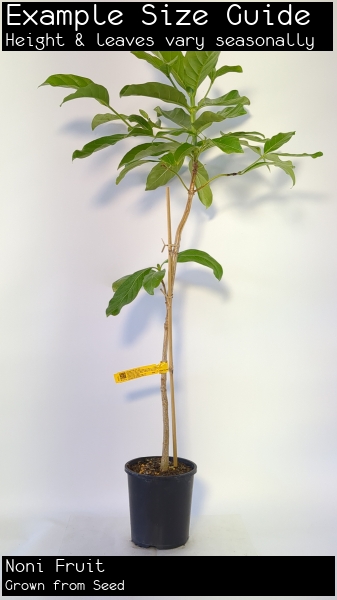
Noni Fruit
$49.00 ($24.00-$49.00 choose a size)

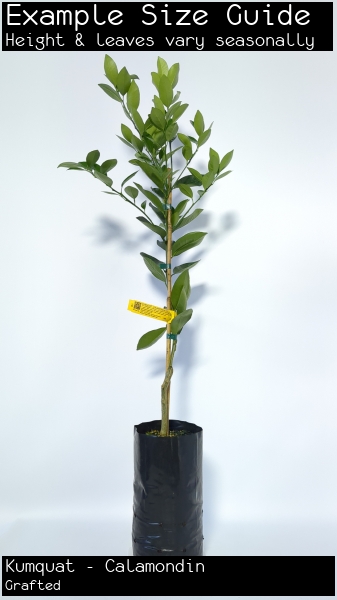
Kumquat - Calamondin
$39.00 ($39.00-$99.00 choose a size)
Lime - Kaffir
$46.95 ($46.95-$99.00 choose a size)

Orange - Valencia Seedless
$46.95 ($46.95-$99.00 choose a size)

Orange - Cara Cara Blood Navel
$39.00 ($39.00-$44.00 choose a size)

Customer Tips & Reviews Guioa
PADDINGTON, NSW
Small, but tough. growing in a dark but damp area, this is a favorite of the insects. Any new growth is eaten quicksmart, and because of this, it has had to grow a new bole in order to grow any taller. Sadly, although it grows plenty fast, i'm not sure...