









(1/1) Cheap Discounted Plants
Discount Plants Australia
These plants are now available well below normal retail price. Many because we have had great success this year in propagating them and we are oversupplied. Get in quickly to make the most of these bargains before the year ends.
Discount Plants
Special
Jujube - Li
$99.00
Large and round in shape. The texture is crisp and fresh fruit have an excellent flavour. Fruit can be picked at the yellow/green stage however the best flavour is obtained when half the fruit has turned reddish brown. Mature fruits are 40-60mm in diameter. Early - Mid season ripening (Feb-April) Self fertile

Buy 1+ @$99.00ea usually:$124.00ea
Special
Jujube - Shanxi Li
$109.00
Crisp, sweet, great eating fresh or dried and easily the largest of all the jujube varieties. While partially self fertile plant two or more to cross pollinate and get a heavier crop.

Buy 1+ @$109.00ea usually:$124.90ea
Special
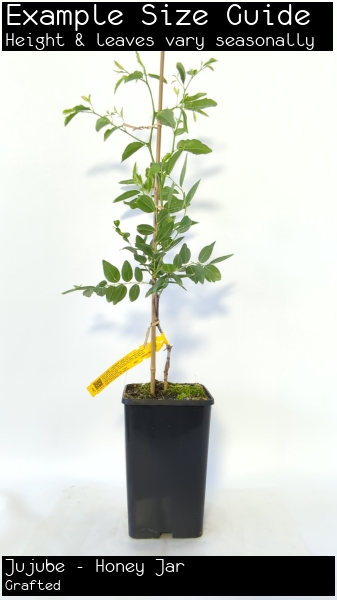
Jujube - Honey Jar
$99.00
Sweet and crunchy when fresh, the Honey Jar has a classic jujube flavour & crispness with a blue gum honey flavour. This smaller, round jujube fruit is said to develop a unique caramel apple flavour as it dries. The variety is a heavy producer and harvest can be extended with multiple pickings. Early season.
Buy 1+ @$99.00ea usually:$124.90ea
Special
Jujube - Si Hong
$99.00
Produces large, round to barrel shaped fruit of very good quality. Sihongs sweetness makes it great for fresh eating or dehydrating. Unlike other jujubes, when dried, Sihong has fine wrinkles on its skin surface. Very reliable bearing. Cross pollinate for best results.Mid season ripening

Buy 1+ @$99.00ea usually:$124.00ea
Special
Jujube - Chico
$114.00
Compact and bushy, perfect for pots with round fruit flattened on the bottom. Look similar to a small apple. Pick when the whole fruit (or at least 80%) has just turned brownish red. Texture is crisp and light we consider it an excellent fresh or dried variety. Fruit size 35-45mm. Developed at the Chico institute in California, this is an early fruiting variety. (Jan - March) Cross pollinate for best results.

Buy 1+ @$114.00ea usually:$124.00ea
Special
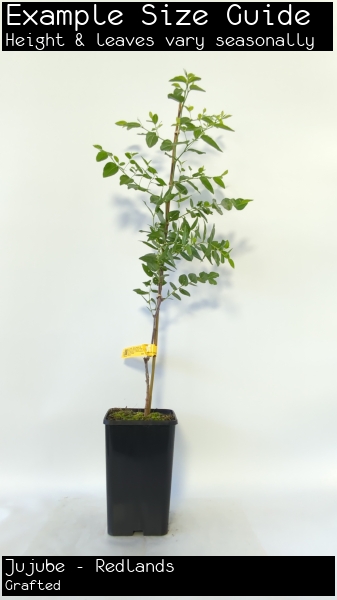
Jujube - Redlands
$99.00
Very large, sweet rounded fruit, ripening mid season and responds well to good growing conditions. It is a little similar to other Li and Shanxi Li types, in shape and flavour. A selection from Redlands, California that is very productive. Jujubes are well suited to the hot, dry conditions of inland Australia.
Buy 1+ @$99.00ea usually:$124.00ea
Special
Acerola - Florida Sweet
$29.00 ($14.90-$29.00 choose a size)
This bright red cherry like fruit has varying tastes during different stages as it ripens. When fully ripe the fruit is juicy and aromatic with its acid content giving it a sweet acid apple-like flavour. The tree can produce a number or crops each year, making for quite a long harvest season. Our selection is called the acerola Florida Sweet Cherry and is a pleasant eating variety that is not too sour. The acerola is well suited to pot culture where it can be kept to a smaller size. It could also be grown this way in cooler climates where it can be moved to a warmer position in the winter. A word of warning the foliage of the plant is covered in tiny irritating stinging hairs that can produce an allergic reaction. When pruning your trees wear a long sleeved shirt and a pair of gloves.


Buy 1+ @$29.00ea usually:$34.00ea
Special
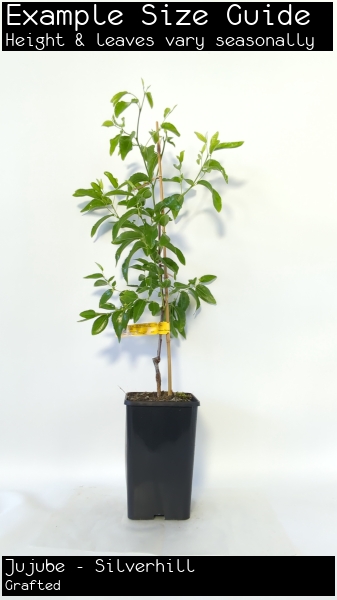
Jujube - Silverhill
$99.00
An elongated fruit which is very sweet and the best for fresh eating. Very late season
Buy 1+ @$99.00ea usually:$124.00ea
Special
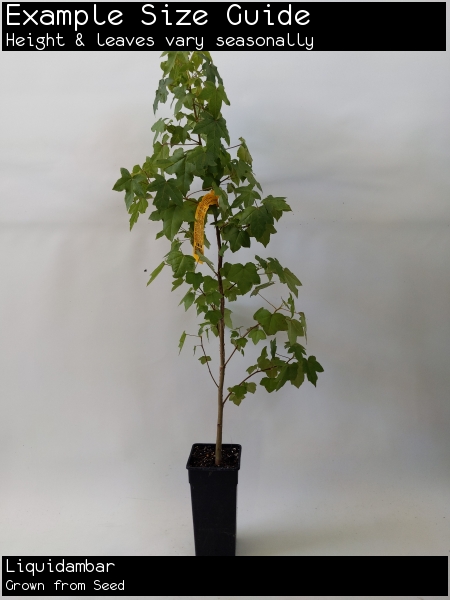
Liquidambar
$14.75
A giant shade tree with magnificent maple-like leaves that turn brilliant shades of red, yellow and gold during autumn. Plant at least 10- 20 metres from buildings and powerlines. Reaches 15 -20 metres on maturity. Deciduous.
Buy 1+ @$14.75ea usually:$19.75ea
Special
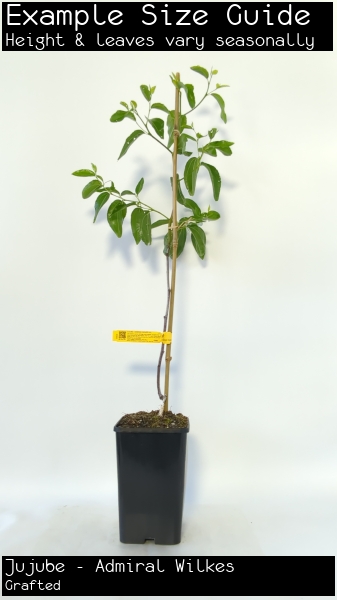
Jujube - Admiral Wilkes
$99.00
Late season cultivar with tiger tooth shaped, elongated fruit. Extends Jujube harvest into late autumn. Fruit has a good sweet flavour. This variety is very vigorous, growing into a very tall, very productive tree with a slightly pendulum shaped habit.
Buy 1+ @$99.00ea usually:$124.00ea
Special
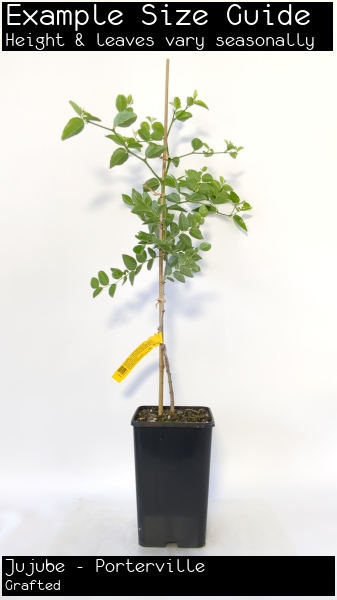
Jujube - Porterville
$109.00
Californian selection with large fruit and uniquely irregular apple shape. The large fruit has a very good flavour, and the shape compared to that of a Qld blue pumpkin! A very vigorous tree with moderate spines and good fruit production. Jujubes are crisp when green with apple/date flavours. Well suited to the hot and dry conditions of inland Australia.
Buy 1+ @$109.00ea usually:$124.00ea
Special
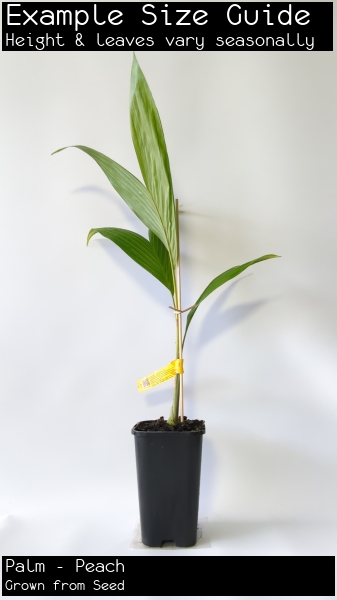
Palm - Peach
$59.00
This attractive, fast growing palm reaching 12-15m produces clusters of peach-like fruit, which have a sweet and nutty flavour when eaten after cooking. The palm is native to Central and South America and the fruit are often sold at fruit markets and is the primary source of sustainable palm hearts for the canned goods market. Cooking the fruit is essential to remove the irritating Calcium oxalate crystals present in the raw fruit. Seedlings are grown from a 'thornless' parent but some seedlings may have some thorns that will need managing
Buy 1+ @$59.00ea usually:$69.00ea
Special
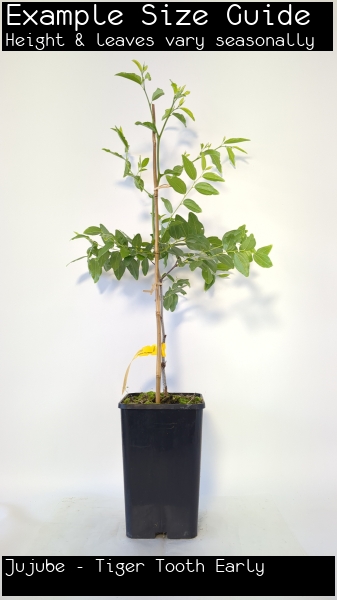
Jujube - Tiger Tooth Early
$99.00
Elongated, sweet jujube fruit, best eaten fresh. Flavour resembles apple with hints of date. Ripens early mid season. Relatively minimal thorns, and smaller growth habit, fruit holds reasonably well in coolroom storage. Cross-pollinate with another variety for larger harvests. Jujubes do best in climates with long, hot summers after adequate rain early in the season and cool temperatures during dormancy. Great for inland and southern mainland Australia.
Buy 1+ @$99.00ea usually:$124.00ea
Special
Dragon Fruit - Dark Star
$29.00
Medium to large sized fruit with red flesh and a mild, sweet grape-like flavor that is most enjoyed when chilled and eaten fresh. It has long skinny bracts or fins that make it especially attractive. White elaborate flowers bloom only at night. Grow Dragon Fruit in well-drained soils, in full sun to partial shade. Water this cactus regularly and do not allow the soil to dry out between watering.
Buy 1+ @$29.00ea usually:$34.00ea
Special
Dragon Fruit - Aztec Gem
$24.00
Aztec Gem is a very deep purple fleshed dragon fruit and tastes sweet and fruity. A moderate grower, Aztec Gem is self pollinating, if you are wanting more fruit you can hand pollinate. They flower at night and into the morning. The presence of moths will enhance pollination. Weight of fruit can be 300-400g.

Buy 1+ @$24.00ea usually:$27.00ea Aramex Free Freight
Special
Guava - Purple
$14.90
A small, purple skinned guava with round fruits to 3-4cm. Fruits look a bit like the strawberry guava but have much darker, more purple skin. Pulp is translucent yellow, with an acidic flavour.

Buy 1+ @$14.90ea usually:$19.75ea
Special
Truffle - White - host Pinus pinea
$99.00
The Bianchetto or little white truffle is from Tuscany. Truffles have a pungent aroma that can be loosely described as of fresh earth and sweet mushrooms. Throughout history people have constantly failed to adequately describe the aroma and flavour of a premium truffle, contributing to the mystique of this exotic fungi. Their taste can permeate and enhance many foods such as soups, dips and pates, salads, sauces, dressings, omelettes and main meals. The irresistible allure of their unique aroma, flavour and taste accounts for their gourmet status, and demand by consumers, and makes them a highly valued ingredient. The host tree is the Pine Nut, or Pinus pinea which produces the delicious nuts, they are inoculated with truffle mycorrhiza. In Europe, truffles thrive in nutrient poor, calcareous (lime) soils and a temperate climate. Therefore to establish a truffiare in Australia you will require an area with a similar climate, including rainfall & winter frosts, sufficient available water for drought proofing, and apply a great deal of lime to replicate the European soil types. They need cold winter temperatures with a few frosts. Hot summer temperatures for initiating truffle formation. Free draining soils, suitable for altering with lime. Sufficient rainfall or irrigation water.

Buy 1+ @$99.00ea usually:$109.00ea
Special
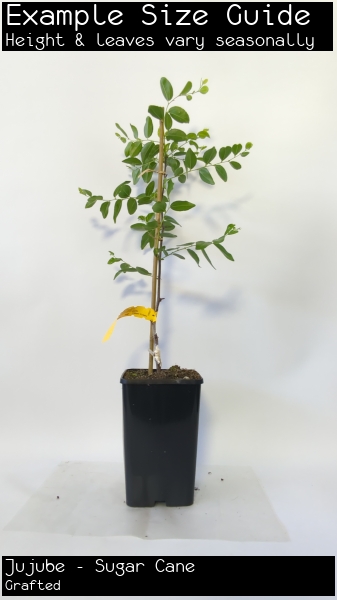
Jujube - Sugar Cane
$109.00
Early season harvest of small to medium, round to elongated fruit. Extremely sweet fruit with crisp texute, and good resistance to splitting. The tree is very vigorous, but unfortunately it can be thorny. Jujubes are well suited to the hot dry conditions of inland Australia
Buy 1+ @$109.00ea usually:$124.00ea
Special
Sudachi - Grafted
$34.00
As well known as the Yuzu in Japan where this sour citrus originates it is considered an indispensable companion to eating matsutake mushroom. The freshly squeezed juice is used as an alternative to vinegar. Fruits form in tight clusters and are harvested when still green in Autumn although they do turn yellow-orange when fully ripe. Commonly used as a garnish the aroma is zestier than lemons or limes. This variety has some cold sensitivity and is best grown in sub-tropical to tropical areas.

Buy 1+ @$34.00ea usually:$44.00ea
Special
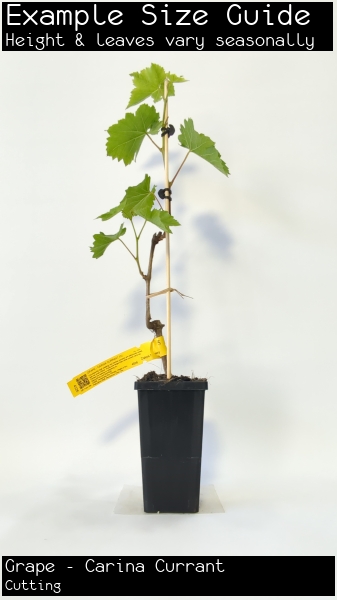
Grape - Carina Currant
$17.90
Consistently high yielding, the Carina currents are deliciously sweet, with an even colour. Fruits are larger than other currant varieties. Perfect for baking or snacking on. They are best suited to climates with hot, dry summers, they are not well suited to humid coastal climates.
Buy 1+ @$17.90ea usually:$19.75ea
Special
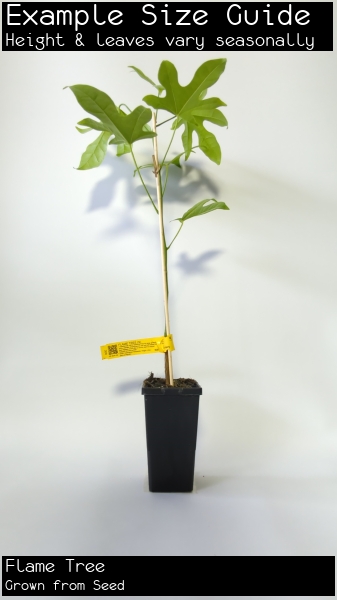
Flame Tree
$12.90
A spectacular native rainforest tree for large gardens. Bright green, shiny, palmate shaped leaves with red bell-shaped flowers in summer. The best displays occur after a hot dry start to summer The tree flowers when it is deciduous and sometimes flowers spectacularly in the Christmas holiday period. They stand out in native forest vistas during this time. Tolerant of most soil types and positions.
Buy 1+ @$12.90ea usually:$14.90ea
Special
Jujube - Sherwood
$114.00
The Sherwood jujube is considered to be one of the largest and best flavored jujubes, with fruit growing up to 5cm. The Sherwood is a thornless jujube tree producing very dense growth with a columnar, upright tree shape. Late season variety. Cross pollinate for best results.

Buy 1+ @$114.00ea usually:$124.90ea
Special
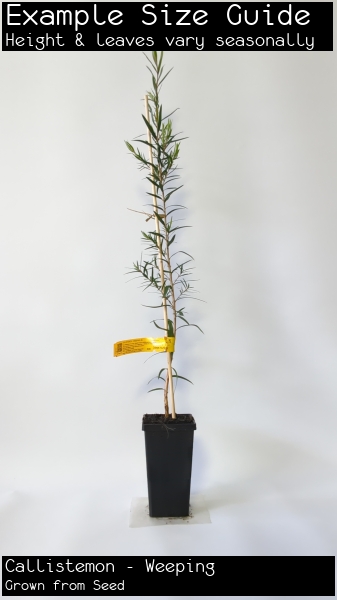
Callistemon - Weeping
$9.75
This callistemon is a very valuable tree for landscaping, as a screen plant, in erosion control or as a specimen or street tree. Bright scarlet red flowers appear in late spring and autumn and smaller numbers of flowers all year.
Buy 1+ @$9.75ea usually:$12.90ea
Special
Banana - Tonga
$17.90
Tonga, or Hopa bananas as they are also known, are a hybrid banana with qualities of a cooking banana, when they are green, and of a fresh-eating banana when they are ripe and yellow. The flesh is then soft and sweet. These distinctive bananas are endemic to Polynesia, where they are valued as part of local cultural heritage. When ripe, they have thick, waxy, yellow skin and a bulbous shape with bluntly square ends. Less wastage when cutting them up for chips to deep fry! The tall plants are fast growing, though relatively short-lived.

Buy 1+ @$17.90ea usually:$19.90ea
Special
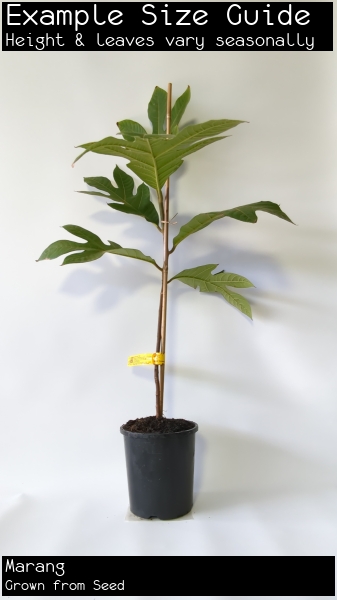
Marang
$54.00
The Marang resembles both the jackfruit and the breadfruit in appearance. This stately tree is of South East Asian origin. Contrasting the marang's robust aroma, the fruit is succulent and mildly flavoured, regarded as superior to both jackfruit and chempedak. Less cold tolerant than the breadfruit it willgrow only in North QLD. Not suitable for temperate climates.
Buy 1+ @$54.00ea usually:$74.00ea
Special
Lilly Pilly - Paperbark Satinash
$12.90
Attractive, reddish, papery bark make this tree stand out in it home in the tropical rainforests of North Qld. Citron scented flowers high in the canopy are followed by purple, edible berries up to 3cm long. With shelter, this 15-20m tree can be grown in more temperate climes, provided good moisture is available. Makes a beautiful specimen tree in landscaping

Buy 1+ @$12.90ea usually:$19.90ea
Special
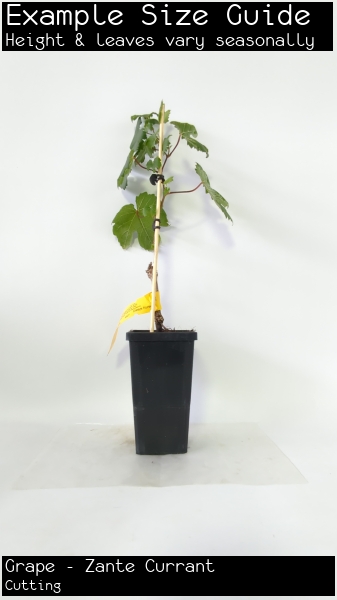
Grape - Zante Currant
$17.90
Also known as the Black Corinth, the Zante Currant is a small, sweet, seedless grape with an intense flavour that is ideal for drying. Dried currants are used in baking and as a fruity snack. They are best suited to climates with hot, dry summers, they are not well suited to humid coastal climates.
Buy 1+ @$17.90ea usually:$19.75ea
Special
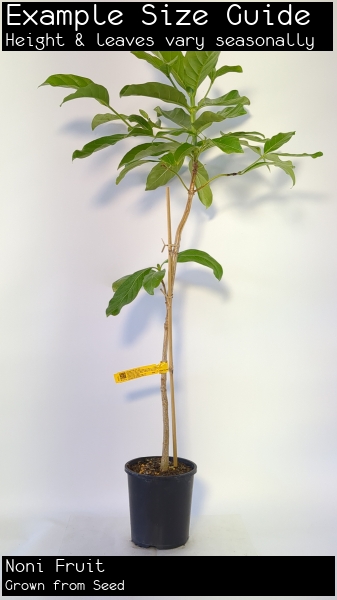
Noni Fruit
$49.00
Medicinally this odd looking, pungent fruit is said to cure everything from stone-fish wounds to digestive upsets to far more serious disease. A concoction from the bark, leaves, roots and fruit can be drunk. When ripe or overripe the skin of the fruit becomes almost translucent and the flesh turns soft to develop an unpleasant odour. The odour has led to nickname of the 'starvation fruit' due to the fact that you would have to be starving to eat it as a fresh fruit. Strictly tropical climate only. Noni will flower and fruit from under one year old with care and the right micro climate. So worth trying in pots.
Buy 1+ @$49.00ea usually:$59.00ea
Special
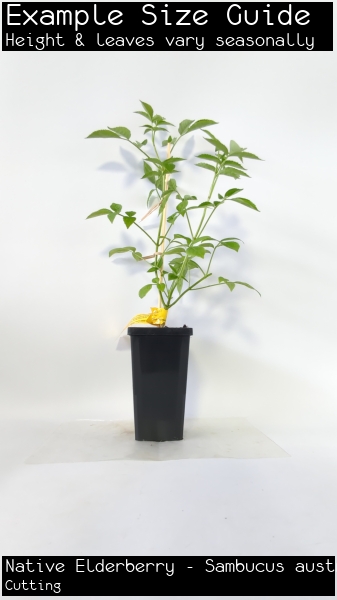
Native Elderberry - Sambucus australasica
$14.90
The native elderberry is an attractive, graceful understorey shrub, but can be seen as a 10m tree. The small yellow fruits are edible with soft, juicy, sweet flesh although they are a little bland in flavour. It requires moist soil and some protection, in its natural habitat it is found along watercourses in warm temperate, subtropical and dry rainforest.
Buy 1+ @$14.90ea usually:$21.90ea
Special
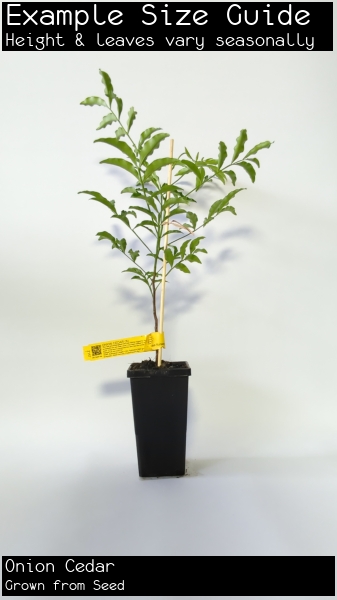
Onion Cedar
$14.90
This rare and endangered tree was heavily logged for its timber which is as beautiful as red cedar once it has been soaked to remove the onion scent. If the bark is scratched this also has the aroma of onions. The bright pinkish red fruits attract the beautiful Wompoo and Rose crowned fruit doves, the fruits also smell of onions. The tree is large and attractive and is found in the edges of sub tropical rain forests and in the areas where the rainforest meets the eucalypt forests of northern NSW and southern Queensland. Trees will grow best in well drained rich soil.
Buy 1+ @$14.90ea usually:$17.90ea
Special
Wattle - Raspberry Jam
$14.90
Named for the strong aroma of the cut wood, this tree has many uses. Lovely flowering display in spring followed by edible seed in summer, useful resin and hardwood timber for tools. Native to south west WA, it is drought tolerant, prefers well draining soil, full sun, salt and frost, and attracts birds and insects. This tree is nitrogen fixing.

Buy 1+ @$14.90ea usually:$21.90ea
Special
Leptospermum Burgundy Queen
$14.90
Few drought resistant shrubs can rival the color of 'Burgundy Queen.' Everything about it is majestic and burgundy. Its fully double flowers are intense dark burgundy and profuse, and the fine foliage of this large shrub is also burgundy flushed. It originates from New Zealand where it grows in a wide range of areas from peaty bogs to coastal and mountain regions. It is surprisingly adaptable, especially to arid sites and soils.

Buy 1+ @$14.90ea usually:$18.90ea
Special
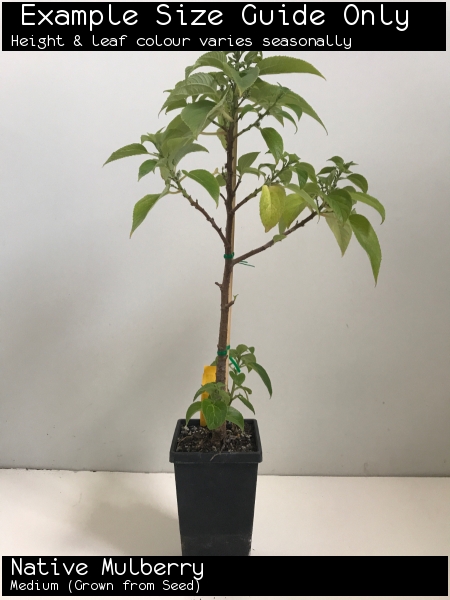
Native Mulberry
$14.95
This is an excellent tree for rainforest restoration as it attracts many birds and insects. It has small, whiteedible fruits that are sweet and hold their seeds on the outside like strawberries. Trees are dioecious, having male and female flowers on separate trees.
Buy 1+ @$14.95ea usually:$19.90ea
Special
Taro - Black Magic
$14.90
A highly ornamental pond plant with burgundy stems and leaves, it is also called Elephant Ears due to the shape of the leaves. They are an ideal edge plant for ponds where they can be submerged to a depth of 15cm. Best grown in pots so they do not overcrowd and dominate the pond. They can also be grown in moist, partially shaded spots, in the garden although they will tolerate full sun if they receive plenty of water. Black magic taro also make an attractive house plant. Taro should never be eaten raw, due to the presence of harmful oxalates, which are eliminated with cooking. These substances are particularly high in the leaves. Weed Warning: in tropical areas, Taro can spread over time, especially in waterways, displacing native vegetation. Plant responsibly

Buy 1+ @$14.90ea usually:$23.90ea
Special
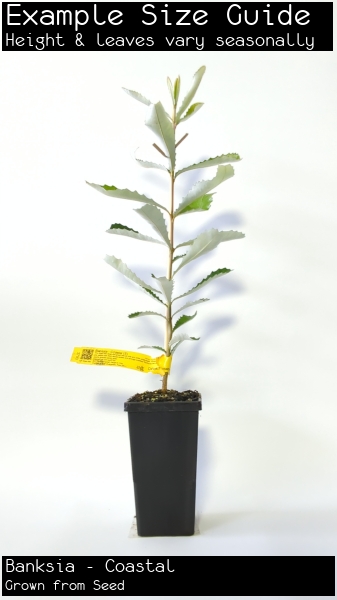
Banksia - Coastal
$12.90
This bush has large dull-green leaves that are white underneath. Flowers are yellow with thick dense spikes and strongly scented. Performs well on poorly drained sandy sites.
Buy 1+ @$12.90ea usually:$17.90ea
Special
Yellow wood
$9.90
Sub-tropical and dry rainforest tree growing from Richmond River, NSW to Gympie, SE QLD.The yellow, elastic and durable timber was used extensively for coach building because of its steam bending qualities. Good shade tree.

Buy 1+ @$9.90ea usually:$17.90ea
Special
Yuzu - Grafted
$34.00
Native to China, the Yuzu has been used and cultivated in this region for thousands of years. The fruit is tart, resembling a grapefruit with mandarin overtones. It is rarely eaten as a fresh fruit but is used to makes sauces, preserves and a popular yuzu vinegar. In Korea thinly sliced fruits are combined with sugar and honey to make a thick marmalade like syrup. Yuzu kosho is a spicy Japanese sauce made from green or ripe yellow yuzu zest, chillis and salt. The yuzu is more cold tolerant than most other citrus, being able to tolerate to -5 degrees

Buy 1+ @$34.00ea usually:$59.00ea
Special
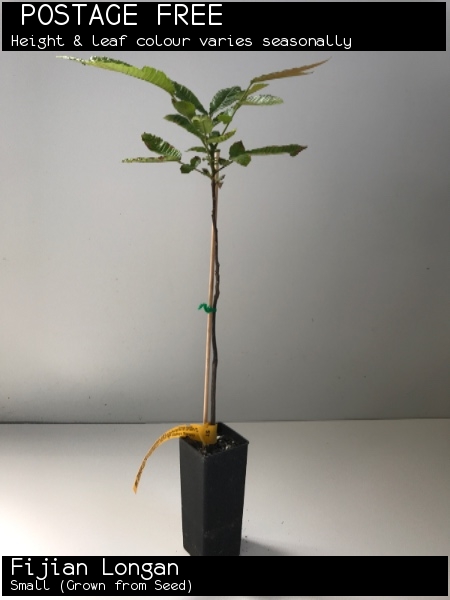
Fijian Longan
$39.00
Also called the Island Lychee this is a large spreading tree reaching 20 - 30m. The round fruits have thin skin that can be green to red and in some cases almost black when they are fully ripe. The opaque flesh is juicy and sweet, it surrounds a single large seed. Fruiting occurs sporadically throughout the year with the main crop coming off in July - August. Suited to tropical areas only
Buy 1+ @$39.00ea usually:$49.00ea
Special
Firewheel Tree
$12.90
This beautiful tree is planted all around the world but is naturally endemic to the rainforests of Qld and NSW. The name Wheel of Fire comes from the red flowers that resemble a flattened wheel. The timber is used for cabinetwork. To 30m

Buy 1+ @$12.90ea usually:$17.90ea
Special
Hibiscus - Cranberry
$9.90
A very nutritious vegetable. The young leaves have a pleasantly tart flavour, and eaten either raw or cooked, they retain their colour. The leaves contain oxalic acid, and should only be eaten once a week. Unlike Aibika, it is not particularly mucilaginous. Flowers are used to make teas or other drinks where they contribute colour rather than taste. In Central America the flowers are combined with ice, sugar, lemon, or lime juice and water to make a purple lemonade.This plant is a short-lived perennial shrub in the subtropics and tropics but can be grown as an annual in cooler climates. It grows rapidly to 1.7 m high with deeply cut leaves similar to Japanese maple. The leaf colour of deep cranberry red is highly ornamental; the flowers are a small, very pretty, rose-pink hibiscus-type. Cranberry hibiscus is a hardy plant that thrives when it is warm and wet; it prefers full sun but will grow in partial shade. It needs ample water, rich, fertile, well-drained soil that is kept mulched and a pH of between 6.1 and 6.5.The vivid leaf colour makes this a good choice as a background plant in ornamental beds.

Buy 1+ @$9.90ea usually:$17.90ea
Special
Pistachio - Red Male
$79.00
Male pistachio, pollinator for Females. Produces an abundance of pollen as a mature tree. One male will pollinate up to 8 females.
Buy 1+ @$79.00ea usually:$89.00ea
Special
Loquat - Bessell Brown
$44.00
Large to very large fruit with large seed. Thick, orange skin resistant to bruising with firm golden coloured flesh. Pleasant mild flavour. The tree is hardy and well suited to a range of climates.

Buy 1+ @$44.00ea usually:$49.00ea
Special
Lilly Pilly - Coolamon
$9.90
A rainforest tree which is a threatened species in the wild. Plant in rich soil with adequate moisture. Attractive red-pink flowers with large white edible fruit formed on the trunk and branches called cauliflorous fruit development. The fruit has the freshness of Granny Smith apples with a somewhat dry texture. Likes to grow in riverine and gully like conditions in low altitude locations. The Coolamon reaches up to 25 - 40m with a 60cm trunk, acts as an excellent riparian zone rehabilitator

Buy 1+ @$9.90ea usually:$12.90ea