






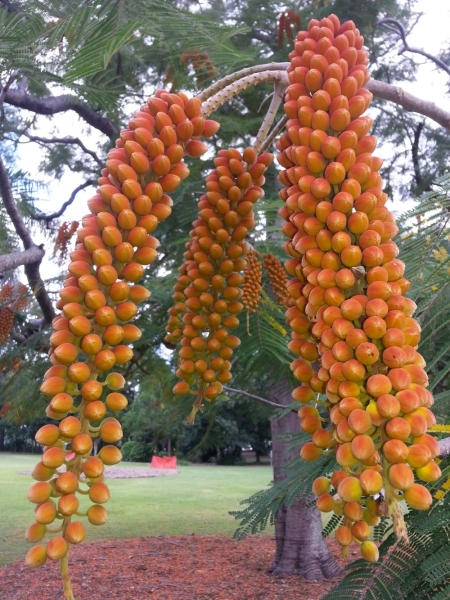
Close up detail of flower buds on a colvillea racemosa (Colville's Glory) tree growing in the Brisbane City Botanic Gardens.

(1/6) Close up detail of flower buds on a colvillea racemosa (Colville's Glory) tree growing in the Brisbane City Botanic Gardens. By Craig Franklin [CC BY-SA 3.0 au] (Photo Credits)
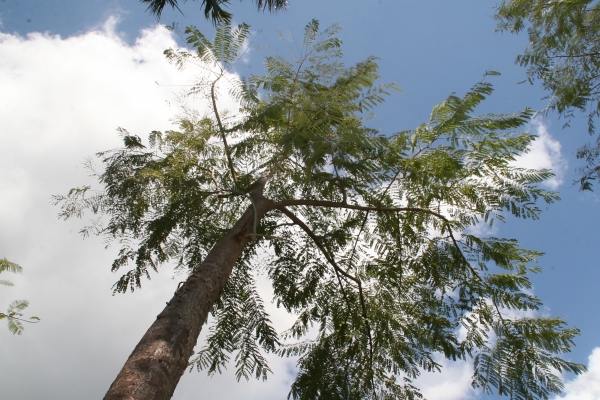
Colvillea racemosa

(2/6) Colvillea racemosa By Photo by David J. Stang [CC BY-SA 4.0] (Photo Credits)

Colvilles Glory Tree For Sale

(3/6) Colvilles Glory Tree For Sale

Leaf of the Colvilles Glory Tree

(4/6) Leaf of the Colvilles Glory Tree

Colvilles Glory Tree For Sale

(5/6) Colvilles Glory Tree For Sale

Colvilles Glory Tree For Sale

(6/6) Colvilles Glory Tree For Sale

fullscreen1

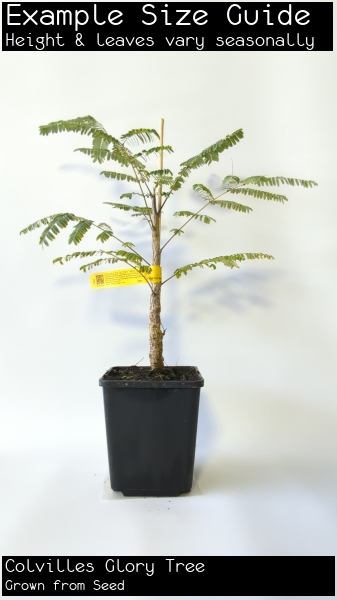
Colvilles Glory Tree

Colvillea racemosa
Known for its bright orange flowers that grow in large cone or cylinder shaped clusters. After flowering, the tree produces long, flat, woody seed pods. The tree has small deep green leaves, superficially similar to poinciana. This plant is attractive ... Read More
Other Names: Whip Tree

$40.95 ($17.75-$40.95 choose a size)

Specifications of Colvilles Glory Tree

Preferred Climate TropicalLearn About Climate Zones

Grown From SeedlingLearn About Propagation Methods

Max Height (when in the ground with good conditions) +10m

Can it Handle Frosts? Sometimes

Quarantine Restrictions to these Areas WA

Customers also bought

These plants are often purchased together. Also check plant information for suitability in your orchard.

  Special  

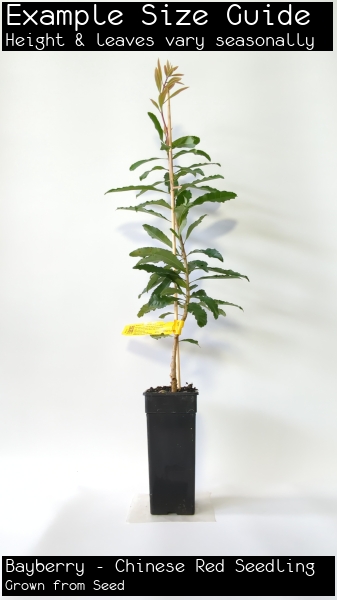
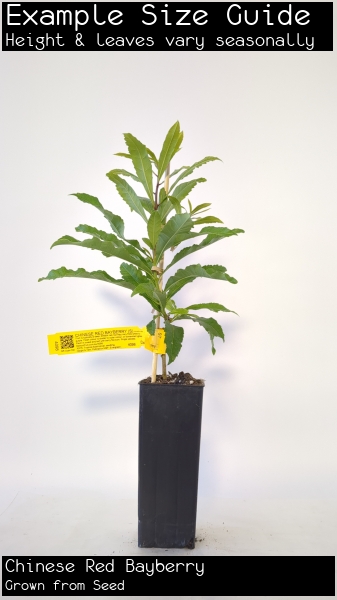
Bayberry - Chinese Red Seedling

$89.00 ($39.00-$129.00 choose a size)
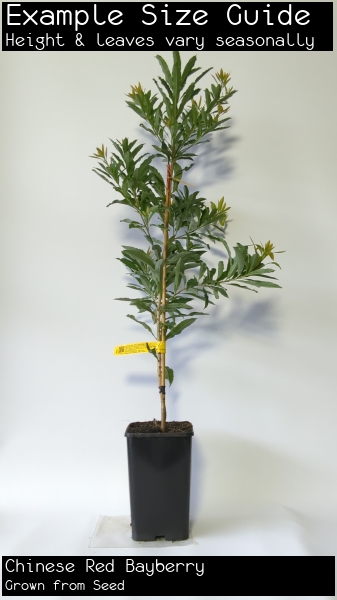
Fruit is typically a deep, brilliant red, but may vary from white to purple. Flesh colour is similar to outer colour, or somewhat lighter. Flesh is sweet and tart with berry flavours. Single seeded. Besides eating fresh, the fruits may be dried, canned, soaked in liquor. The bayberry is an evergreen dioecious tree with separate male and female plants. Our seedlings are not sexed and it is recommended to grow at least 3 to be assured of at least one female.
Buy 3+ @$89.00ea usually:$99.00ea

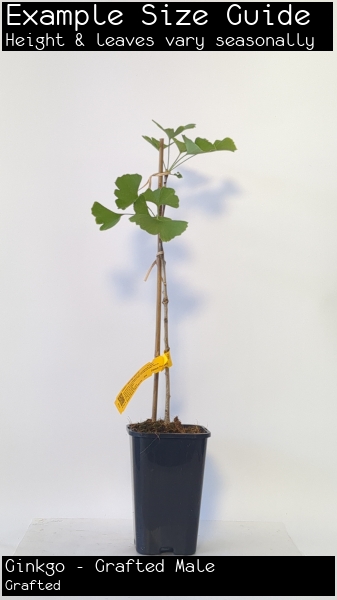
Ginkgo - Grafted Male

$49.00

Used extensively as a landscape tree due to its picturesque, unusual shaped crown and autumn coloured foliage. Both Male and female trees are required for cross pollination.
  Special  

Sudachi - Grafted

$34.00

As well known as the Yuzu in Japan where this sour citrus originates it is considered an indispensable companion to eating matsutake mushroom. The freshly squeezed juice is used as an alternative to vinegar. Fruits form in tight clusters and are harvested when still green in Autumn although they do turn yellow-orange when fully ripe. Commonly used as a garnish the aroma is zestier than lemons or limes. This variety has some cold sensitivity and is best grown in sub-tropical to tropical areas.
Buy 1+ @$34.00ea usually:$44.00ea
  Special  

Ambarella

$34.00 ($19.75-$79.00 choose a size)

Despite being tropical the ambarella has proven to be quite hardy and are very fast to become established in the subtropics and fruit set begins after only three years. Tastes like a mix between pineapple and mango but with a crunchy texture. The part nearer to the peel is quite sour getting sweeter near the seed. The ripe fruit is also much sweeter than the less mature green fruit. In Indonesia, they are steamed and eaten as a vegetable with salted fish and rice and in Sri Lanka the raw fruit is mostly eaten fresh and cooked as a curry with chilli. As they mature the skin turns golden-yellow with an orange-yellow pulp surrounding a single large spiny seed. When ripe they have a pleasant pineapple-like fragrance. Growing conditions Like the Mango, the tree thrives in humid tropical and subtropical areas growing up to 2 metres in a single growing season. It grows on all types of soil as long as they are well drained. Trees are cold sensitive when small and should be protected from serious frost and strong wind. Trees do best in full sun, but will produce some fruit in light shade. As a large and vigorous tree they prefer not be planted underneath other large trees and unlike some mango varieties they are not too fussed on salt spray.
Buy 1+ @$34.00ea usually:$39.00ea

Guiana Chestnut

$39.00 ($39.00-$49.00 choose a size)

Fragrant, stunning flowers distinguish the Guiana Chestnut. Makes a beautiful landscape tree. Native to estuaries and lake shores in the tropical rainforests of Mexico, Central and South America The seeds have been recommended for eating eaten either raw or roasted, however recent research has indicated that there may be toxic compounds present that are not neutralised through cooking. When roasted or fried in oil they taste like chestnuts or cashews They have also been ground and used as a flour substitute when baking bread. The young leaves and flowers have also been cooked and eaten as a vegetable, however no mention is made of this in the research.It has also been suggested fungal organisms may be converting oils into inedible compounds. Production of nuts starts within a few years. The large, white, self-fertile flowers display spectacular clusters of 10cm cream-white stamens. The fruit is a woody green five-valved pod up to 30cm in length. The capsules that follow burst open when the seeds are ripe. The plant grows well in mild inland and coastal areas. The plant will tolerate brief exposure to low temperatures but won't tolerate frost. A frost-free location with some protection from hot, drying winds is the best choice for the plant. It will take full sun to partial shade. Malabar chestnuts are not overly fussy about soil as long as it is well drained. They are semi-deciduous. The flowers of the Guiana chestnut are spectacular, they emerge from foot long buds where they are almost hidden amongst the dense foliage. The long dark red brown coloured petals droop and disappear to show off the dramatic clusters of scarlet tipped stamens. The fruits that follow the flowers are football shaped large woody pods that can reach 30cm in length. The tightly packed nuts inside enlarge until the pods burst open to reveal them. The Guiana Chestnut does best in sites that are protected from drying winds, it can be grown in full sun or part shade and it requires frequent and generous watering. WARNING: SEEDS SHOULD NOT BE EATEN

Soh Shang

$29.00

Medium, spreading woody shrub producing plum sized red fruits. The fruit is best when fully ripened, is sweet and jelly like with some astringency. It is often eaten with salt or as juice or chutney. The flesh can be sucked from the seed. It has notable nutritional benefits. The plant fixes nitrogen with the aid of symbiotic soil bacteria and is a good addition to food forest systems. It is originally from India. The native Millaa Millaa vine looks very similar with smaller fruits and overall size. Drought hardy.

Colvilles Glory Tree Reviews & Tips

Star Rating

Sheila Thompson
7y ago

Brisbane, QLD, Australia

Colvilles Glory Tree

Our neighbour has got a glorious Colvillea racemosain full flower (January) . It is at least 12metres high and s looking great in spite of the drought. It is also squeaking with the sound of Lorikeets.

Victor Otto
11y ago

Bowen Delta, QLD, Australia

Colvilles Glory Tree

I bought this tree at a market it almost died but now it would be about 40 ft by 30 ft full of flowers


  • Subscribe
  • Postage Free Truck
  • Plant List
  • Calculate Freight