





(1/2) Achilles
(2/2) Muscadine Grapes
Muscadine Grape
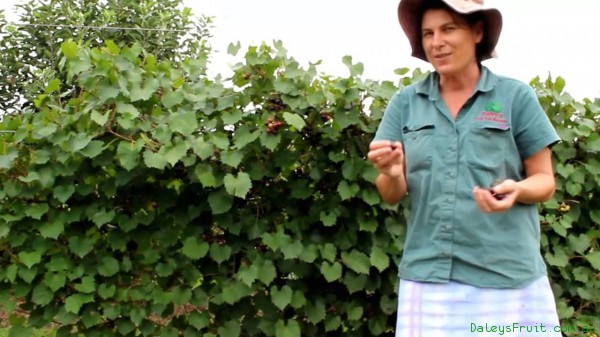
CategoryMuscadines are well adapted to the warm, humid conditions of the south-eastern U.S. and therefore will grow well in all humid areas of Australia where European grapes are unsuitable. Both east and west coasts and through the “top end” provide the clim... Read More
Muscadine Grape - Noble
$19.75 ($17.75-$79.00 choose a size)
Most popular red muscadine grape for wine or juice production. It is self-fertile. Yields and disease resistance are high, and berry ripening is fairly uniform. Flavour is less musky than most muscadine grapes. Excellent fresh eating or good for wine making. Exclusive to Daleys this is a recently released Florida variety. They are vigorous vines and should not be planted where they can escape into native bushland, as they would quickly smother trees and shrubs around them.


Special
Muscadine Grape - Adonis
$17.75 ($17.75-$79.00 choose a size)
Large ripe fruits (20-25mm) are golden bronze in colour, sweet and juicy with a delicious and distinctive fruity flavour. Highly disease resistant and should not require spraying making them ideal for coastal climates and the subtropics. This variety is owned by FAVGRO. The purchaser agrees that propagation of the vines for sale, without authorisation from the breeder is prohibited. They are vigorous vines and should not be planted where they can escape into native bushland, as they would quickly smother trees and shrubs around them.


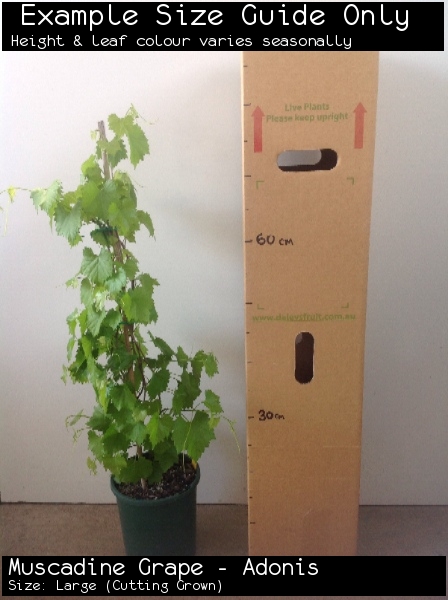
Special Offer: Buy 2+ @$17.75ea usually:$19.75ea
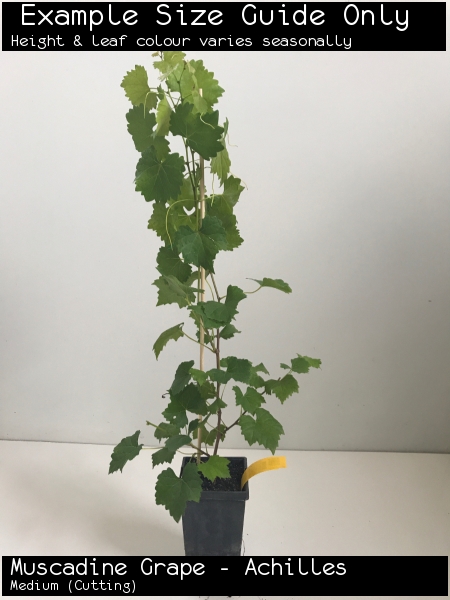
Muscadine Grape - Achilles
$19.75 ($19.75-$79.00 choose a size)
Ripe grapes are sweet and juicy with a distinctive fruity flavour. Vigorous self fertile vine with medium sized (15-20mm), round golden-bronze fruit when ripe. It can set a small percentage of smaller seedless fruit. Highly disease resistant and should not require spraying making them ideal for coastal subtropical climates. This variety is owned by FAVGRO. The purchaser agrees that propagation of the vines for sale, without authorisation from the breeder is prohibited. They are vigorous vines and should not be planted where they can escape into native bushland, as they would quickly smother trees and shrubs around them.

Muscadine Grape - Fry
$19.90 ($19.90-$79.00 choose a size)
Fry is the most popular muscadine grape cultivar. It is female and produces a very large, bronze grape. Yield, vigor and disease resistance are moderate. The period from first ripening to last ripening can extend to 6 weeks. Hardy selection of muscadine grape suited to the subtropics and coastal climates. Exclusive to Daleys this is a recently released Florida variety. Female cross pollinate with Noble. They are vigorous vines and should not be planted where they can escape into native bushland, as they would quickly smother trees and shrubs around them.
Muscadine Grape - Dixie
$24.90
Fruit large, skin bronze. One of the largest of self-fertile cultivars. Flavour excellent. Ripens midseason. Similar to Fry in flavour, color and size. Vine vigorous, productive. Exclusive to Daleys this is a recently released Florida variety. Female - cross pollinate with a Noble. They are vigorous vines and should not be planted where they can escape into native bushland, as they would quickly smother trees and shrubs around them.

Popular in Category: Muscadine Grape
Muscadine Grape - Noble
$19.75 ($17.75-$79.00 choose a size)
Most popular red muscadine grape for wine or juice production. It is self-fertile. Yields and disease resistance are high, and berry ripening is fairly uniform. Flavour is less musky than most muscadine grapes. Excellent fresh eating or good for wine making. Exclusive to Daleys this is a recently released Florida variety. They are vigorous vines and should not be planted where they can escape into native bushland, as they would quickly smother trees and shrubs around them.
Special
Muscadine Grape - Adonis
$17.75 ($17.75-$79.00 choose a size)
Large ripe fruits (20-25mm) are golden bronze in colour, sweet and juicy with a delicious and distinctive fruity flavour. Highly disease resistant and should not require spraying making them ideal for coastal climates and the subtropics. This variety is owned by FAVGRO. The purchaser agrees that propagation of the vines for sale, without authorisation from the breeder is prohibited. They are vigorous vines and should not be planted where they can escape into native bushland, as they would quickly smother trees and shrubs around them.
Special Offer: Buy 2+ @$17.75ea usually:$19.75ea
Muscadine Grape - Achilles
$19.75 ($19.75-$79.00 choose a size)
Ripe grapes are sweet and juicy with a distinctive fruity flavour. Vigorous self fertile vine with medium sized (15-20mm), round golden-bronze fruit when ripe. It can set a small percentage of smaller seedless fruit. Highly disease resistant and should not require spraying making them ideal for coastal subtropical climates. This variety is owned by FAVGRO. The purchaser agrees that propagation of the vines for sale, without authorisation from the breeder is prohibited. They are vigorous vines and should not be planted where they can escape into native bushland, as they would quickly smother trees and shrubs around them.
Muscadine Grape - Fry
$19.90 ($19.90-$79.00 choose a size)
Fry is the most popular muscadine grape cultivar. It is female and produces a very large, bronze grape. Yield, vigor and disease resistance are moderate. The period from first ripening to last ripening can extend to 6 weeks. Hardy selection of muscadine grape suited to the subtropics and coastal climates. Exclusive to Daleys this is a recently released Florida variety. Female cross pollinate with Noble. They are vigorous vines and should not be planted where they can escape into native bushland, as they would quickly smother trees and shrubs around them.
Muscadine Grape - Dixie
$24.90
Fruit large, skin bronze. One of the largest of self-fertile cultivars. Flavour excellent. Ripens midseason. Similar to Fry in flavour, color and size. Vine vigorous, productive. Exclusive to Daleys this is a recently released Florida variety. Female - cross pollinate with a Noble. They are vigorous vines and should not be planted where they can escape into native bushland, as they would quickly smother trees and shrubs around them.
Customer Tips & Reviews Muscadine Grape
person_outline
Muscadine Grape
Our vine is 3 years old .For the last 2 years we've been making wine from it , 24 bottles the first year 36 this year, yum yum easy to grow and look after.
person_outline
Muscadine Grape
In comparison to European grape varieties muscadines require more space and different trellising. Google trellising for Muscadines first