






Richlands (qld) Fruit Trees (Popular)
Richlands (qld) Fruit Trees and the most popular plants Australians buy for mail order. With fruit trees you should consider climate suitability.
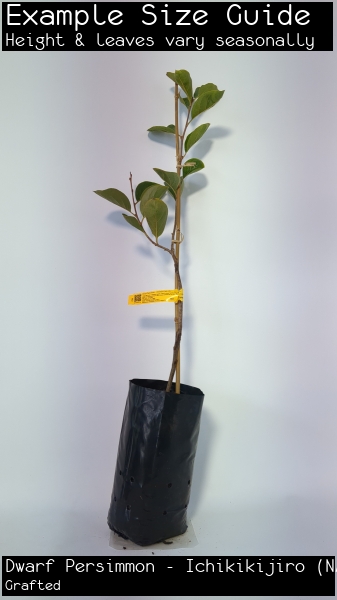
Dwarf Persimmon - Ichikikijiro (NA)
$99.00 ($79.00-$99.00 choose a size)
Large, flat fruit of excellent quality, non-astringent and seedless when grown on its own. Being a dwarf variety it is well suited to backyards but is also a good commercial variety. Will fruit as early as March in the subtropics. Ichikikijiro generally produce only one flush of growth in the spring so don't be alarmed if your tree is not growing in summer, this habit contributes to their small stature.
Dwarf Mango - Irwin
$79.00 ($79.00-$149.00 choose a size)
Dwarf tree, sweet mild flavour. Regular, moderate yield. Attractive red purple skin colour. Flesh Average wt. 380gms. Low resistance to Anthracnose and Black Spot. Mid season fruiting. Harvested from a specific region of Japan, Irwin varieties are rotated as they ripen to evenly expose the surface to the sun and reach their full purple blush potential, when they are sold as Myazaki Mangos.

Green Sapote - Grafted
$119.00
A close relative of the Mamey Sapote this tree is more compact and cold hardier. The dark dull green fruit turns to gold when ripe and has a superior flavour to the Mamey. Grafted selection from Daleys Nursery orchard in Kyogle.

Pre Order Options
Pepper - Black
$29.00 ($29.00-$39.00 choose a size)
Cultivated for the fruit which is dried and used as a spice and seasoning. The fruits are dark red when fully ripe. Immature fruits can be picked as green pepper, black pepper is the fruit dried with the skin on and white pepper is the dried seed only. Black pepper is the worlds most widely traded spice.


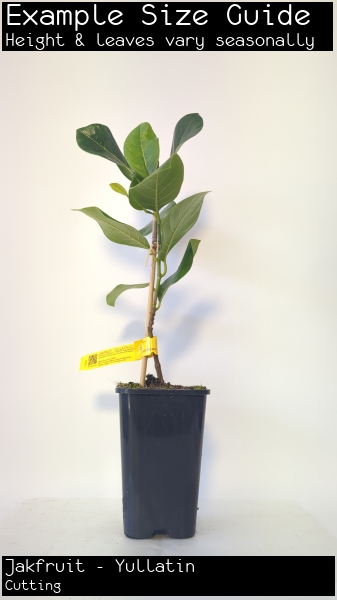
Jakfruit - Yullatin
$99.00 ($29.00-$99.00 choose a size)
Produces small fruit 3 - 12kg with large pale yellow arils that are essentially crisp but have a creamy soft texture. Super delicious.

pin_drop