







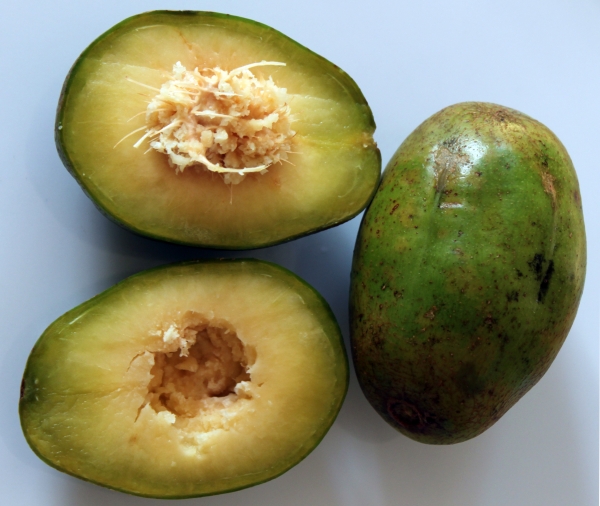
Dwarf Ambarella just picked and being held in the hands showing the bright yellow flesh and small seed size

(1/10) Dwarf Ambarella just picked and being held in the hands showing the bright yellow flesh and small seed size

(2/10) Video: Ambarella revealing the fruit after being protected by fruit fly netting.

Bunch of Dwarf Ambarella Fruits

(3/10) Bunch of Dwarf Ambarella Fruits

(4/10) Video: Picking Dwarf Ambarella Fruit

Purple Guava split in half to show the flesh and seed distribution as well as the bright purple skin

(5/10) Purple Guava split in half to show the flesh and seed distribution as well as the bright purple skin

A Dwarf Ambarella Quickly producing a massive crop of fruit
(6/10) A Dwarf Ambarella Quickly producing a massive crop of fruit

Ambarella Spondias dulcis

(7/10) Ambarella Spondias dulcis By Anagoria [GFDL, CC BY 3.0] (Photo Credits)

Impressive crop of Ambarella on Daleys Dwarf tree in Kyogle NSW

(8/10) Impressive crop of Ambarella on Daleys Dwarf tree in Kyogle NSW

Shows the growth habit of a young Dwarf Ambarella when it starts flowering in the biodome at Daleys Fruit Tree Nursery
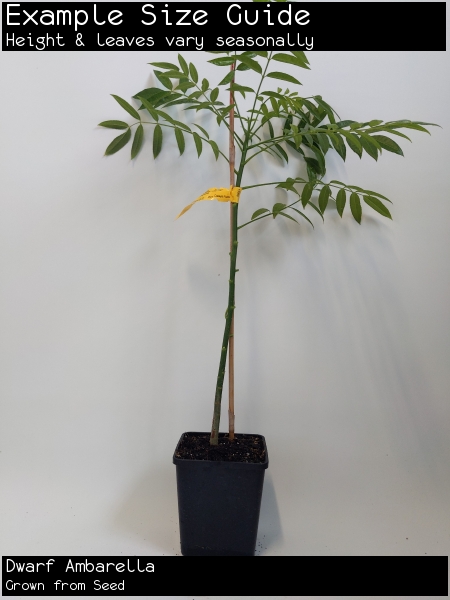
(9/10) Shows the growth habit of a young Dwarf Ambarella when it starts flowering in the biodome at Daleys Fruit Tree Nursery

Dwarf Ambarella For Sale

(10/10) Dwarf Ambarella For Sale

fullscreen1

Dwarf Ambarella

Spondias dulcis
A fast growing tropical fruit tree, this dwarf form can fruit within 1-2 years. Fruit can be eaten fresh and used for drinks and jellies, the flavour is said to resemble pineapple. Fruit is borne is hanging clumps and change from bright green to orange wh... Read More
Other Names: June Plum Hog Plum Golden Apple

$59.00

Shop Similar

event_busy When will it be in Stock?

We previously had the most to buy in Jan and Aug. With limited quantities for sale in other months. They are unlikely to be available in Oct and Nov. Remember to click above to get notified when it is available once more.

Specifications of Dwarf Ambarella

Preferred Climate Tropical, SubtropicalLearn About Climate Zones

Grown From SeedlingLearn About Propagation Methods

Max Height (when in the ground with good conditions) 1-2m

Plants required to Pollinate 1 (Self Pollinating)Learn about Pollination

Can it Handle Frosts? Likes Temps above 5deg

Amount of leaves in Winter? Some Leaves (Partly Deciduous)

Quarantine Restrictions to these Areas WA

Suitability in Pots Yes

Water Requirements Moderate Watering

Is it a Dwarf Fruit Tree? Dwarf (1/2 Normal Size), Can be pruned to 2m

Time to Fruit/Flower/Harvest 2-3 Years

Sun or Shade Full (Sun:80%-100%)

Preferred Soil Type Good Drainage

Soil pH Neutral (6.6-7.3pH)

Fruiting/Harvest Months May, June, July, August

Create a Filter to find similar plants

Customers also bought

These plants are often purchased together. Also check plant information for suitability in your orchard.

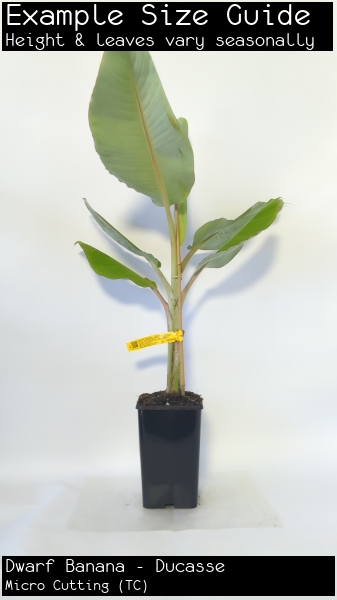
Frangipani Red

$19.75 ($19.75-$34.00 choose a size)

Deep red flower clusters characterise this Frangipani. Gathered on the ends of thick succulent-like branches, they are stunning in their summer display. The small trees are deciduous in the cooler months of the year.
  Special  

Dwarf Banana - Ducasse

$24.00 ($24.00-$59.00 choose a size)

Also known as Sugar Banana, this small fruited banana is a winner on taste and texture, with a sweet, fragrant flavour. They ripen to a bright yellow when they are at their creamiest. The tree itself is well suited to backyards, reaching a moderate height of 2-3m. it also displays some tolerance to cooler growing areas, though frost is to be avoided. Bananas can flower and fruit at any time of the year and add a tropical look to any garden
Buy 1+ @$24.00ea usually:$29.00ea
  Special  

Jakfruit - Malay

$19.75 ($19.75-$34.00 choose a size)

This variety was sourced from a superior Malaysian variety. It has proved to fruit early from Seed and is fruiting well here in Kyogle. The orange arils are crisp with an outstanding sweet aromatic flavour. One of the best Jaks we have grown here in Kyogle.
Buy 2+ @$19.75ea usually:$24.00ea

Jambolan Plum

$59.00 ($49.00-$79.00 choose a size)

Frost sensitive when young but once established is hardy to most conditions. It can tolerate strong winds and can be used as a windbreak tree. It can also tolerate prolonged flooding and dry periods. It is limited to fruit production in tropical regions in elevations from sea level to 600m above sea level. Given such conditions it fruits prolifically. The fruit can be eaten fresh or used in making Pies, Sauces, Jams and Juices. While native to India, Burma and Ceylon, it is now widespread across much of Asia and is also very popular in much of South America. Carries many common names including Java plum, Portuguese plum, Malabar plum, Black plum, Purple plum, Damson plum and Indian blackberry. It is a fast growing very attractive tree highly esteemed by Buddhists throughout Asia and often planted near Hindu temples. Weed Warning: Jambolan plum is naturalized across Hawaii and has weed potential in subtropical and tropical regions in Australia, due to seed dispersal by birds.

Taro Japanese

$17.90 ($17.90-$18.75 choose a size)

A staple crop throughout Asia and the Pacific. The delicious small tuber can substitute potato in almost any dish. Its heart-shaped leaves make for an attractive plant that grows well in shade and sun. Prefers moist soil.Taro should never be eaten raw, due to the presence of harmful oxalates, which are eliminated with cooking. These substances are particularly high in the leaves. Weed Warning: in tropical areas, Taro can spread overtime especially in waterways, displacing native vegetation. Plant responsibly
Click Choose above to view Specials

Drumstick Tree ( Moringa )

$28.90 ($23.90-$49.00 choose a size)

Also known as the Horseradish tree or Tree of Life. Possibly one of the most useful trees in the world, it produces long green pods that have been compared to a cross between peanuts and asparagus. The peeled roots are used as a substitute for horseradish and the edible leaves make a highly nutritious vegetable. Claims are made that its tiny leaves contains 7 times the Vit C of oranges, 4 times the Vit A of Carrots, 4 times the Calcium of milk, 3 times the Potassium of Bananas, and 2 times the protein of yogurt. The roots have also been documented as useful in many folk remedies. It originates in India and has spread in popularity to many parts of Asia, Central and South America, Africa and the Pacific. In Africa it has been also called the Miracle Tree with so many uses. This tree has delicate foliage and attractive pale yellow flowers. The slender, semi -deciduous, perennial tree, to about 10 m tall with drooping branches. Best kept pruned under 2mts as its the leaves that is what is best used in cooking. Thrives in subtropical and tropical climates, flowering and fruiting freely and continuously. Grows best on a dry sandy soil. Makes an ideal shade tree with high drought resistance. In temperate climates it may be beneficial to grow in pots for the first year or 2 when the tuberous root system can establish in a warmer position with sun on the pot. When larger they can be planted out, but still expect some dying back over winter as normal. Feed for best results, growers report good results from periodic fertilisation with good quality fertiliser, foliar sprays of seasol and the periodic application of Epsom salts if your soil requires. (Source: Nutritive Value of Indian Foods, by C. Gopalan) PLEASE NOTE: The foliage is delicate on young trees, and our potted plants are known for their older leaves to turn yellow and drop during transport to conserve energy. This is not a problem long term. With care and acclimatisation they will bounce back
Shop Similar

Dwarf Ambarella Reviews & Tips

Star Rating

  • Subscribe
  • Postage Free Truck
  • Plant List
  • Calculate Freight