








Mcewens Beach Fruit Trees (Popular)
Mcewens Beach Fruit Trees and the most popular plants Australians buy for mail order. With fruit trees you should consider climate suitability.
Peach - Angel Subtropical PBR
$69.00
Angel Peaches are shaped like donuts and there is something very heavenly about the flavour. They are a very sweet yellow fleshed freestone variety, which is more soft and juicy in texture compared to standard peaches. Angel's will crop in warm subtropical climates. Requires about 150 hours chill. This makes them very low chill and they will often flower quite early in late winter Suitable from Rockhampton south to the subtropics and coastal NSW. Peaches can be protected from birds and insects with exclusion netting. This variety has Plant Breeder Rights over it.
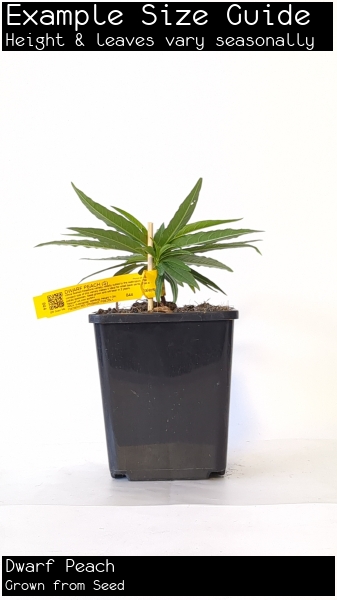
Dwarf Peach
$29.00 ($29.00-$49.00 choose a size)
White fleshed freestone variety, ideally suited to the subtropics. The compact size of this variety makes it ideal for small back yards or as a potted specimen. Seed grown and will bear in 2 years. Very attractive pale to dark pink blossoms. Easy to net to protect from fruit fly, birds and bats
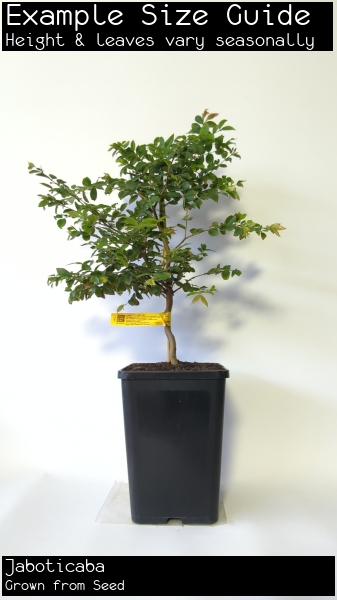
Jaboticaba
$69.00 ($4.90-$69.00 choose a size)
The jaboticabas habit of producing the fruit directly on the trunk makes this a striking tree. Fruit is similar to a grape with a sweet and aromatic flavour. The new growth is a coppery colour along with their beautiful honey scented flowers makes it a very ornamental tree. Bears heavy crops of quality fruit that can be eaten fresh from the tree. Often fruiting up to 3 times per year. Time from flowering to fruit being ready to eat is only 30 days. More Information: California Rare Fruit Growers Association.


Pre Order Options
Drumstick Tree ( Moringa )
$28.90 ($19.75-$49.00 choose a size)
Also known as Horseradish tree or Tree of Life. It is considered one of the most useful trees in the world by some. In Asia, the peeled roots are used as a substitute for horseradish and the edible leaves make a highly nutritious vegetable. It produces long green pods that have been compared to a cross between peanuts and asparagus. Claims are made that its tiny leaves contains 7 times the Vit C of oranges, 4 times the Vit A of Carrots, 4 times the Calcium of milk, 3 times the Potassium of Bananas, and 2 times the protein of yogurt. The roots have also been documented as useful in many folk remedies. It originates in India and has spread in popularity to many parts of Asia, Central and South America, Africa and the Pacific. In Africa it has been also called the Miracle Tree with so many uses. This tree has delicate foliage and attractive pale yellow flowers. The slender, semi -deciduous, perennial tree, to about 10 m tall with drooping branches. Best kept pruned under 2m for ease of harvest. Thrives in subtropical and tropical climates, flowering and fruiting freely and continuously. Grows best on a dry sandy soil. Makes an ideal shade tree with high drought resistance. In temperate climates it may be beneficial to grow in pots for the first year or 2 when the tuberous root system can establish in a warmer position with sun on the pot. When larger they can be planted out, but still expect some dying back over winter as normal. Feed for best results, growers report good results from periodic fertilisation with good quality fertiliser, foliar sprays of seasol and the periodic application of Epsom salts if your soil requires. (Source: Nutritive Value of Indian Foods, by C. Gopalan) PLEASE NOTE: The foliage is delicate on young trees, and our potted plants are known for their older leaves to turn yellow and drop during transport to conserve energy. This is not a problem long term. With care and acclimatisation they will bounce backWARNING: Recent testing by the Australian Dept of Agriculture, Fisheries and Forestry to determine whether this 'novel' food (ie something that is not an ordinary part of the average Australian diet) is safe to eat, found that "Incomplete or inconclusive safety data means the risk cannot be adequately assessed and the safety of Moringa oleifera as a food cannot be confirmed." Therefore it is illegal to sell as a food or food ingredient.Daleys makes no claims to its edibility, but outlines historical, traditional uses in other parts of the world. https://www.agriculture.gov.au/biosecurity-trade/import/goods/food/notices/ifn05-26


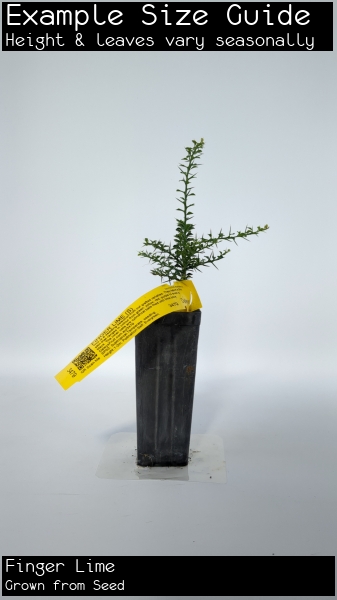
Finger Lime
$19.90 ($7.50-$19.90 choose a size)
This is a seedling selection from our grafted varieties. They have a thin skin that ranges in colour from green, yellow, red, purple to even a black. The inner cells are cylindrical balls filled with lime juice. Very hardy. The bushy thorny foliage is a perfect protective habitat for small birds to nest in addition to their fruits.


pin_drop
This Postcode: 4740
place Mackay Fruit Trees place West Mackay Fruit Trees place Andergrove Fruit Trees place Habana Fruit Trees place Paget Fruit Trees place Mount Pleasant (mackay) Fruit Trees place North Mackay Fruit Trees place Slade Point Fruit Trees place Mount Jukes Fruit Trees place The Leap Fruit Trees place Beaconsfield (qld) Fruit Trees place East Mackay Fruit Trees place Rural View Fruit Trees place Glenella Fruit Trees place Balberra Fruit Trees place Alligator Creek Fruit Trees place Blacks Beach Fruit Trees place Grasstree Beach Fruit Trees place South Mackay Fruit Trees place Ooralea Fruit Treespin_drop