








Kilsyth Fruit Trees (Popular)
Kilsyth Fruit Trees and the most popular plants Australians buy for mail order. With fruit trees you should consider climate suitability.
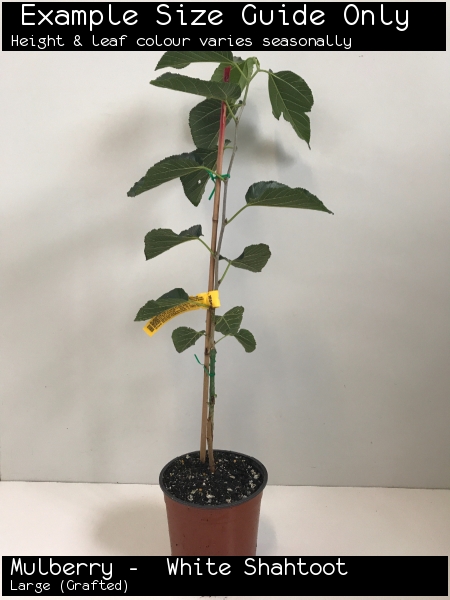
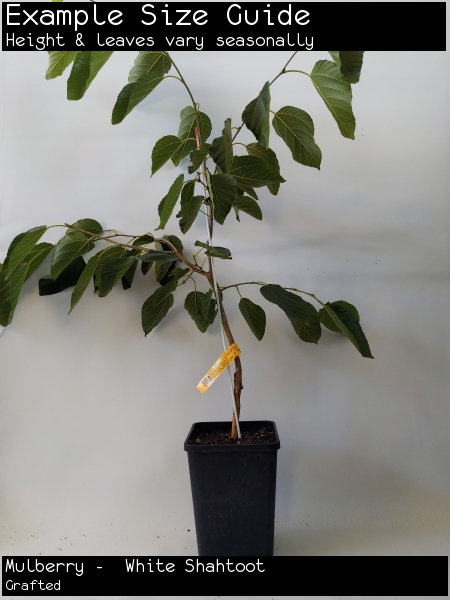
Mulberry - White Shahtoot
$49.00 ($29.00-$129.00 choose a size)
Large, sweet fruit can reach up to 10cm in length. Delicious eaten fresh but can also be sundried and eaten as a sweet. Medium sized, spreading tree with a weeping habit, excellent shade tree. Birds love them too so make sure you cover them if you don't want to share. You can also get multiple crops by pruning immediately after your first crop.
Dwarf Avocado - Wurtz (A)
$54.00 ($54.00-$129.00 choose a size)
A small tree to about 4m popular for the back yard. A moderate cropper of medium sized rich, high quality fruit. Pear-shaped with dark green skin using Guatamalan rootstock. Aug - Oct Does best if grown with a B type pollinator.


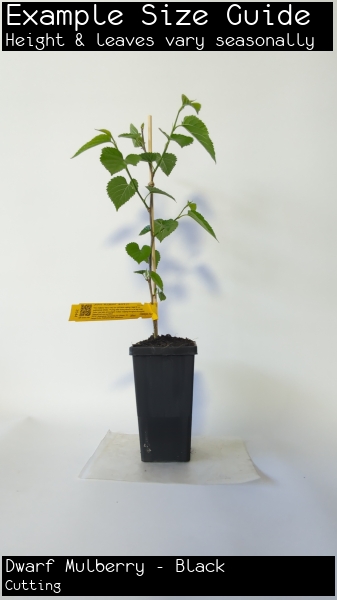
Dwarf Mulberry - Black
$34.00 ($19.75-$79.00 choose a size)
This mulberry has a very low chill factor making it ideal for our subtropical climate. Pruning after fruiting allows it to be kept under 3mtrs, and also encourages multiply cropping throughout the summer. It is best to pick the fruit when ripe, as it doesn't ripen further off the tree. A benefit of a mulberry tree is that the fruit ripens over an extended period of time unlike other fruit that often ripens all at once. The fruits of the black mulberry, considered the tastiest and most versatile of the mulberries are large and juicy with a good balance of sweetness and tartness. The fruit of the dwarf black mulberry is the same as that on the large black mulberry that we all know and love. The fruit is large, resembling a blackberry, sweet and luscious. When not devoured fresh it is ideal to use in jams, wines and mulberry pies. (Dwarf Mulberry Tree Video )This variety performs excellent in the Subtropics. There has been feedback that this variety doesn't perform as well in Temperate Climates.



Feijoa - Apollo
$49.00 ($39.00-$79.00 choose a size)
Medium to large, oval fruit. Flavour sweet and very pleasant, quality excellent. Ripens mid to late-season. The tree is upright, spreading, tall, vigorous and productive. Fruits are soft and need to be handled with care. Feijoa is also referred to as pineapple guava, which are very ornamental with attractive red, edible flowers in spring.


Miracle Fruit
$39.00 ($19.75-$79.00 choose a size)
Although not sweet itself this miraculous fruit, consumed fresh and allowed to coat the mouth alters your tastebuds so that everything you eat tastes sweet, lasting for an hour or two. It's extraordinary. The beauty of it is that it only removes the sourness 'acidity' from what you are eating, the natural aroma and taste remains. It has been used to sweeten bitter medicines. For success the plant prefers a pH as low as 4.5. A great companion for your blueberries. Requires a sheltered position free from frost and partial shade. Excellent unusual potted plant that can be moved into a sunny spot indoors during the cooler months, and indeed right through the year with adequate sun. Very slow growing and best to grow as a potted planted until at least 1 metre high Further Information: Rare Fruit Review