






Melton West Fruit Trees (Popular)
Melton West Fruit Trees and the most popular plants Australians buy for mail order. With fruit trees you should consider climate suitability.
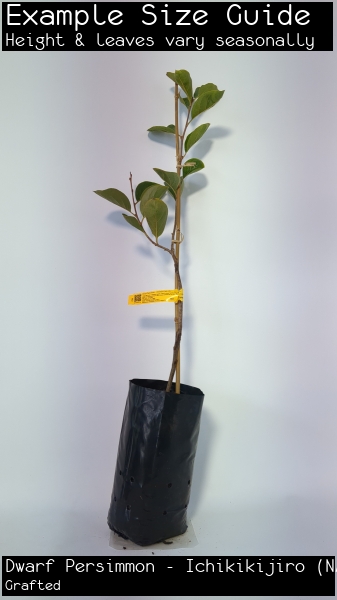
Dwarf Persimmon - Ichikikijiro (NA)
$99.00 ($79.00-$99.00 choose a size)
Large, flat fruit of excellent quality, non-astringent and seedless when grown on its own. Being a dwarf variety it is well suited to backyards but is also a good commercial variety. Will fruit as early as March in the subtropics. Ichikikijiro generally produce only one flush of growth in the spring so don't be alarmed if your tree is not growing in summer, this habit contributes to their small stature.
Dwarf Persimmon - Fuyu (NA)
$99.00 ($79.00-$99.00 choose a size)
Fuyu is a semi-dwarf variety, well suited to growing in small backyards and can be kept to 2m with pruning. The fruit is large and flat, orange-red in colour with a sweet, mild flavour. Great eaten crunchy but just luscious when left to go soft. Besides producing delicious fruit, Persimmons are highly ornamental with their beautiful autumn foliage. Non astringent, so can be eaten when still hard. When young, protect from hot afternoon sun, and when dormant, from wet conditions. Seedless when grown on their own. If cross pollinating with another variety they can have seeds in the flesh as shown in the display picture.

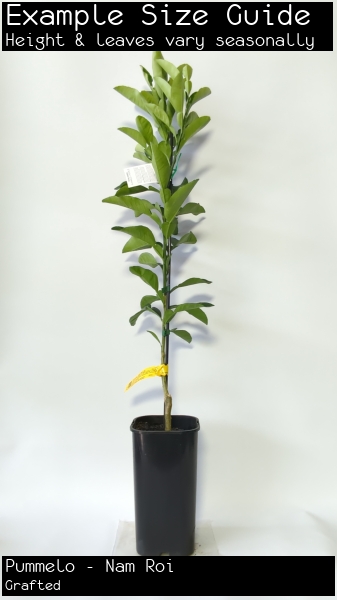
Pummelo - Nam Roi
$64.00
A recently imported Pummelo from Vietnam, where it is a very popular seedless variety. Pummelos are similar to grapefruits, but larger and much sweeter. Most adaptable citrus to tropical areas. Grows very well in subtropical climates too- like we have here at Daleys in Kyogle. Very large fruits!
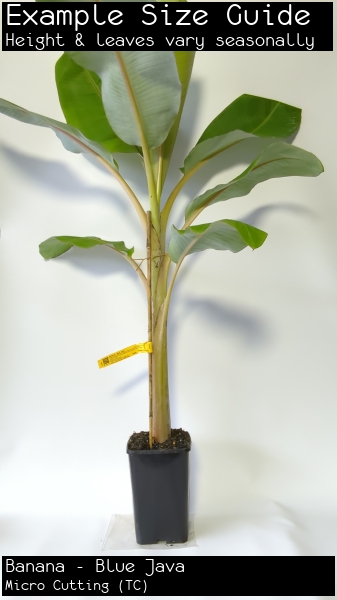
Banana - Blue Java
$24.00 ($12.90-$49.00 choose a size)
A fast growing, cold tolerant variety of banana also called Ice Cream banana as the flavour and consistency is reminiscent of creamy vanilla ice cream or custard. Grows to a height of at least 3m and sometimes up to 5 in tropical areas.

Avocado - Bacon (B)
$54.00 ($54.00-$79.00 choose a size)
Upright vigorous avocado producing pear shaped fruit of medium quality. It is regarded as the most cold hardy variety, sometimes surviving down to -5degC. It does require care to bring this subtropical tree through winter. Worth trying in urban Victoria or South Australia. H March - May


pin_drop