






East Perth Fruit Trees (Popular)
Most popular is what other people in your area are buying. Remember they may be experimenting and it may not mean they are suitable for this climate. Daleys only sends to WA a few times per year. Please check WA Mail Order Schedule
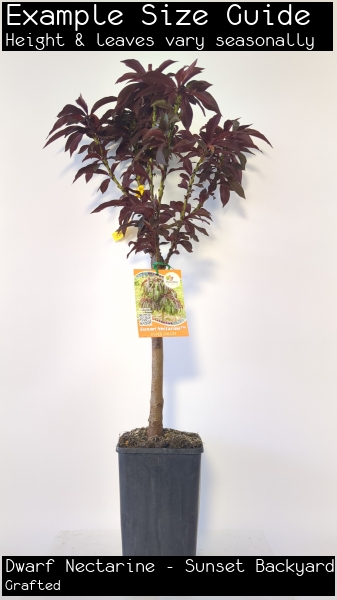
Dwarf Nectarine - Sunset Backyard Beauty
$79.00 ($59.00-$79.00 choose a size)
The Super Dwarf Sunset Nectarine has beautiful, dark red leaves throughout the year. The plant grows to approximate 1-1.5m height x 0.8m width. It has high density flowers and single pink blossoms in spring. PBR variety The full sized, yellow flesh nectarines mature in November/December in Subtropical areas and December early January in cooler areas so you can avoid the rush of going to the supermarket to get your early season Summer fruit - just grow your own! This is also the ideal fruit tree to inspire kids to grow their own food in the garden. Best suited to subtropical climates. This variety is subject to Plant Breeder Rights.

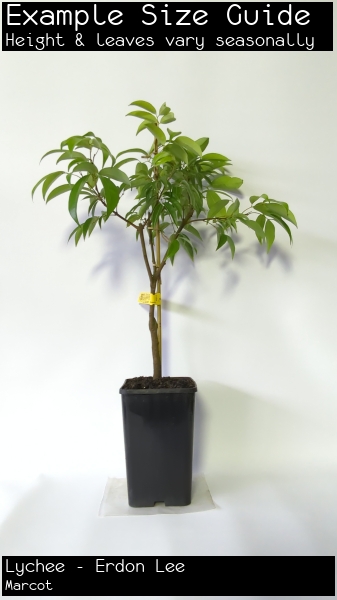
Lychee - Erdon Lee
$59.00 ($59.00-$79.00 choose a size)
This variety grows up to four times the average size of other lychee varieties with an average weight of 52g per fruit. The exterior of the fruit is dark greenish and red in colour. An exceptional lychee. This is the tree for everyone who has ever wanted to eat super sized Lychees. Trees are marcotted so you can trust you have an authentic Erdon Lee and harvesting your fruits in good conditions could begin in 2-5years. Lychees are a very popular fruit for very good reason.. they taste amazing. Erdon Lee ripens mid season.

Special
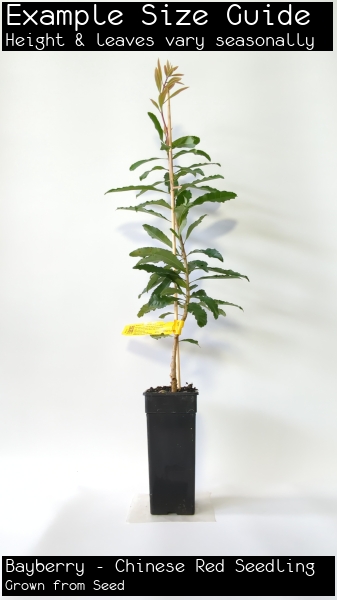
Bayberry - Chinese Red Seedling
$59.00 ($39.00-$129.00 choose a size)
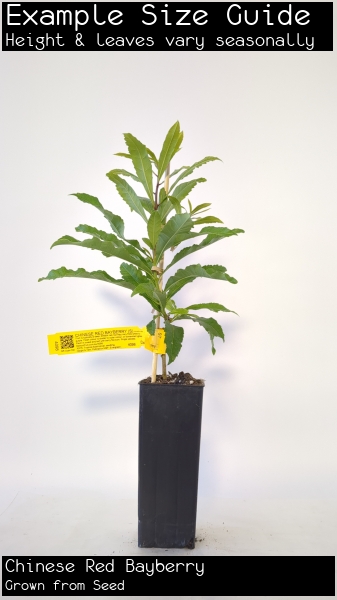
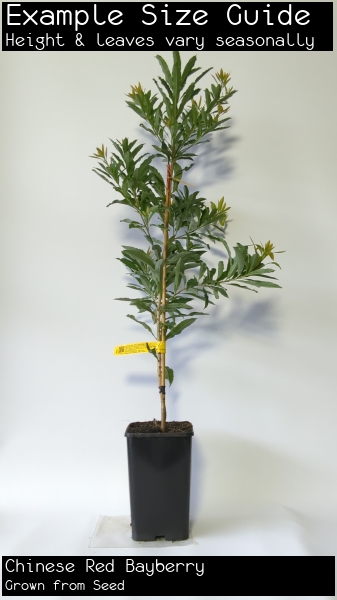
Fruit is typically a deep, brilliant red, but may vary from white to purple. Flesh colour is similar to outer colour, or somewhat lighter. Flesh is sweet and tart with berry flavours. Single seeded. Besides eating fresh, the fruits may be dried, canned, soaked in liquor. The bayberry is an evergreen dioecious tree with separate male and female plants. Our seedlings are not sexed and it is recommended to grow at least 3 to be assured of at least one female.

Buy 3+ @$59.00ea usually:$79.00ea
Guiana Chestnut
$39.00 ($39.00-$49.00 choose a size)
Fragrant, stunning flowers distinguish the Guiana Chestnut. Makes a beautiful landscape tree. Native to estuaries and lake shores in the tropical rainforests of Mexico, Central and South America The seeds have been recommended for eating eaten either raw or roasted, however recent research has indicated that there may be toxic compounds present that are not neutralised through cooking. When roasted or fried in oil they taste like chestnuts or cashews They have also been ground and used as a flour substitute when baking bread. The young leaves and flowers have also been cooked and eaten as a vegetable, however no mention is made of this in the research.It has also been suggested fungal organisms may be converting oils into inedible compounds. Production of nuts starts within a few years. The large, white, self-fertile flowers display spectacular clusters of 10cm cream-white stamens. The fruit is a woody green five-valved pod up to 30cm in length. The capsules that follow burst open when the seeds are ripe. The plant grows well in mild inland and coastal areas. The plant will tolerate brief exposure to low temperatures but won't tolerate frost. A frost-free location with some protection from hot, drying winds is the best choice for the plant. It will take full sun to partial shade. Malabar chestnuts are not overly fussy about soil as long as it is well drained. They are semi-deciduous. The flowers of the Guiana chestnut are spectacular, they emerge from foot long buds where they are almost hidden amongst the dense foliage. The long dark red brown coloured petals droop and disappear to show off the dramatic clusters of scarlet tipped stamens. The fruits that follow the flowers are football shaped large woody pods that can reach 30cm in length. The tightly packed nuts inside enlarge until the pods burst open to reveal them. The Guiana Chestnut does best in sites that are protected from drying winds, it can be grown in full sun or part shade and it requires frequent and generous watering. WARNING: SEEDS SHOULD NOT BE EATEN


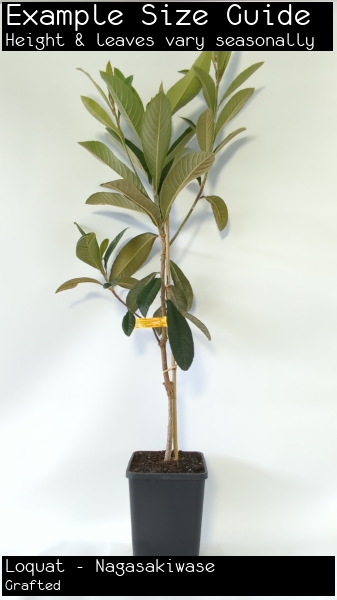
Loquat - Nagasakiwase
$59.00 ($59.00-$99.00 choose a size)
The best Japanese variety so far, it has deep orange flesh, high flesh/seed ratio and very sweet flavour. Earliest variety to ripen. Thinning fruit will enhance fruit size. The Nagasakiwase often has 2 crops a year in the subtropics. The first crop in April / May then again in August. We have found by cincturing in summer, the August crop has a much larger crop and better fruit size.