







The Akee Fruit

(1/8) The Akee Fruit By Albert Sittler [All Rights Reserved, Used By Permission] (Photo Credits)

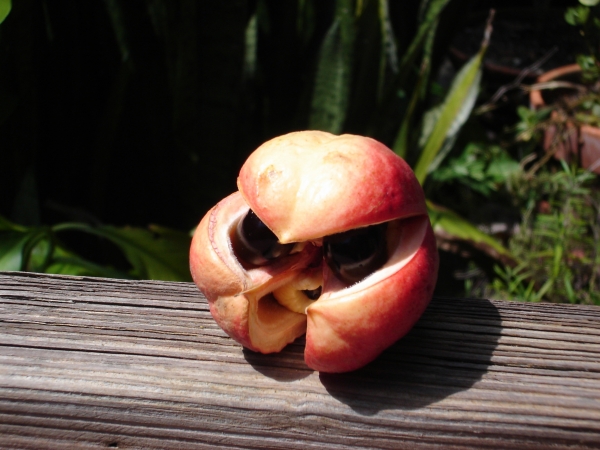
Akee being displayed at feast of the sense display having just been picked with their leaves

(2/8) Akee being displayed at feast of the sense display having just been picked with their leaves
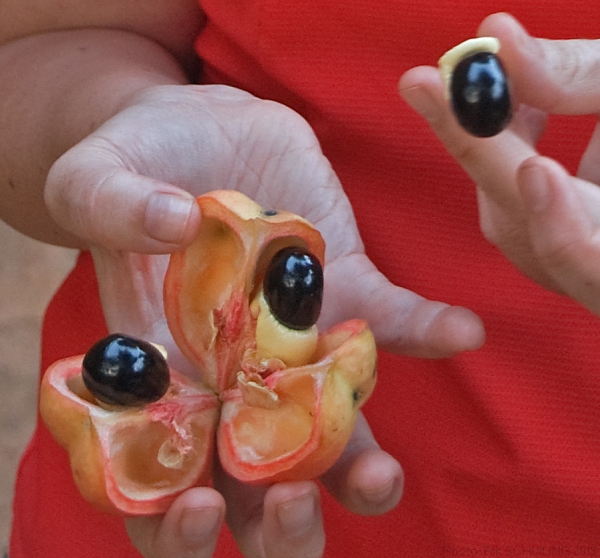
Showing ripe akee fruit and seeds, two of the three seeds with their arils still in place

(3/8) Showing ripe akee fruit and seeds, two of the three seeds with their arils still in place By Rik Schuiling / TropCrop - Tropical Crops Services [CC BY-SA 3.0] (Photo Credits)

Part of ripe akee fruit with two seeds with their arils still attached

(4/8) Part of ripe akee fruit with two seeds with their arils still attached By Rik Schuiling / TropCrop - Tropical Crops Services [CC BY-SA 3.0] (Photo Credits)

Akee Tree growing in the Biodome at Daleys Fruit Tree Nursery

(5/8) Akee Tree growing in the Biodome at Daleys Fruit Tree Nursery

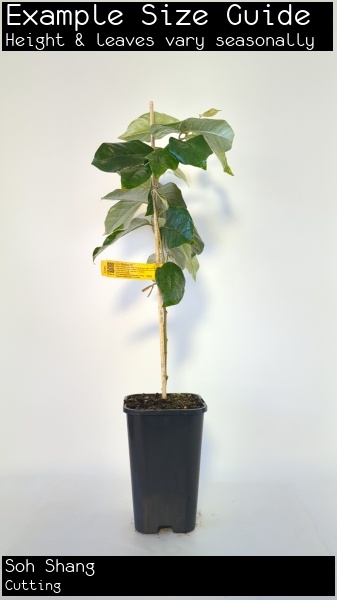
Akee For Sale

(6/8) Akee For Sale

Leaf of the Akee

(7/8) Leaf of the Akee

Akee fruit on tree

(8/8) Akee fruit on tree By DocTaxon [Public Domain Mark 1.0] (Photo Credits)

fullscreen1

Akee

Blighia sapida
The brightly coloured orange-red fruits split when fully ripe to reveal three large shiny black seeds, each is partly surrounded but the soft, creamy arils. Akee pods should be allowed to fully ripen on the tree before picking. Prior to cooking the arils ... Read More
Other Names: Ackee, Achee, Ackee Apple

$29.00

Specifications of Akee

Preferred Climate TropicalLearn About Climate Zones

Grown From SeedlingLearn About Propagation Methods

Max Height (when in the ground with good conditions) +10m

Plants required to Pollinate 3 Plants (Male and Female)Learn about Pollination

Can it Handle Frosts? Likes Temps above 5deg

Amount of leaves in Winter? All Leaves (Evergreen)

Water Requirements Moderate Watering

Is it a Dwarf Fruit Tree? No (Full Size)

Time to Fruit/Flower/Harvest 5+ Years

Sun or Shade Full (Sun:80%-100%)

Preferred Soil Type Good Drainage

Soil pH Neutral (6.6-7.3pH)

Fruiting/Harvest Months February, March, April, May

Customers also bought

These plants are often purchased together. Also check plant information for suitability in your orchard.
Nam Nam

$49.00

Belonging to the bean family the nam nam is a small multi-stemmed tree. The texture of the fruit surface is rough and wrinkled, pale greenish/yellow and dull looking. The flesh is juicy and yellow in colour. It tastes sourish and has large seeds. The mature fruit can be eaten fresh or cooked with sugar to make sweets (compote). It can also be made into a fruit salad, pickled, or be used to prepare a special 'sambal.' The tree makes an attractive ornamental plant in home gardens and is also potted and grown as bonsai plant.Suited to tropical areas only

Peach - Aztec Gold

$49.00

Aztec Gold has a yellow flesh and requires up to 300 hours of chill. It has a good resistance to bacterial black spot. A large firm fleshed peach that grows well in the subtropics. Resistant to bacterial black spot. Aztec Gold has yellow flesh and red / yellow skin.

Mulberry - White Shahtoot

$49.00 ($29.00-$129.00 choose a size)

Large, sweet fruit can reach up to 10cm in length. Delicious eaten fresh but can also be sundried and eaten as a sweet. Medium sized, spreading tree with a weeping habit, excellent shade tree. Birds love them too so make sure you cover them if you don't want to share. You can also get multiple crops by pruning immediately after your first crop.

Dwarf Mulberry - Red Shahtoot

$49.00 ($29.00-$99.00 choose a size)

Much more compact in growth habit than the King White Shahtoot. These delicious sweet fruits can reach 10cm in length. Ideal for back yards and we consider it a must have fruit tree for the back yard. The best way to eat mulberries is fresh from the tree. If some should make it to the kitchen bench they make excellent pies, jams, wines and sauces. Multiple crops are possible by pruning directly after your first crop. Suitable for most regions of Australia, although it can be susceptible to damage from late frosts. The red shahtoot is ideal for growing in pots and containers due to it small growing habit and it is ideal for school gardens as it does not produce fruits that stain and the sweet fruits are very appealing to children. This variety is best suited to warm subtropical climates and does not perform well in temperate climate where it tends to drop their fruit.

Australian Round Lime

$49.00 ($29.00-$49.00 choose a size)

The round knobbly fruit, usually reaching 3.5-4 cm in diameter have a distinctive and recognisably citrus flavour, with a similar globular texture to the more commonly known Finger Lime. Also known as Dooja or Gympie lime. Occurs naturally on the fringe of lowland sub-tropical rainforests of southeast Qld, from Brisbane northwards. This slender tree can reach up to 15m in height and 6-8m in diameter with multiple trunks, making it the most vigorous of the native citrus. The round lime is suitable for including in cordials, sauces, marmalades and lime flavouring. The skin is very thick (up to 7mm) and has potential for culinary use, such as grating into spice pastes, or for candied peel and may also have potential for essential oil extraction.

Feijoa - Duffy

$44.00 ($39.00-$79.00 choose a size)

Australian selection from Victoria, excellent size up to 200gm. Very pleasant non-gritty flavour. Has proven to be a good commercial variety. Feijoas are highly ornamental with beautiful red, edible flowers followed by delicious autumn fruit.

Akee Reviews & Tips

Star Rating

  • Subscribe
  • Postage Free Truck
  • Plant List
  • Calculate Freight