






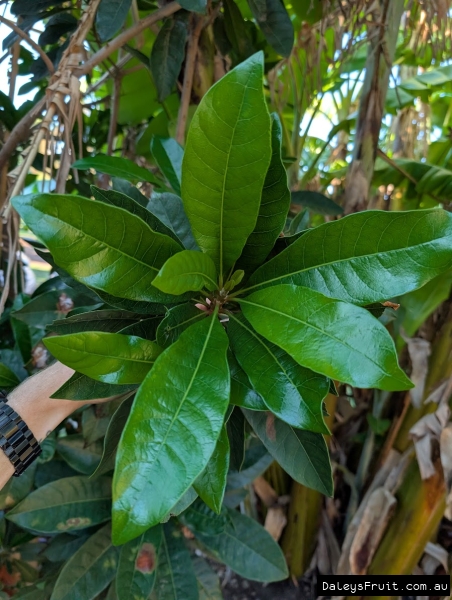
Lucuma leaf whorl in Adelaide Botanic gardens SA

(1/3) Lucuma leaf whorl in Adelaide Botanic gardens SA
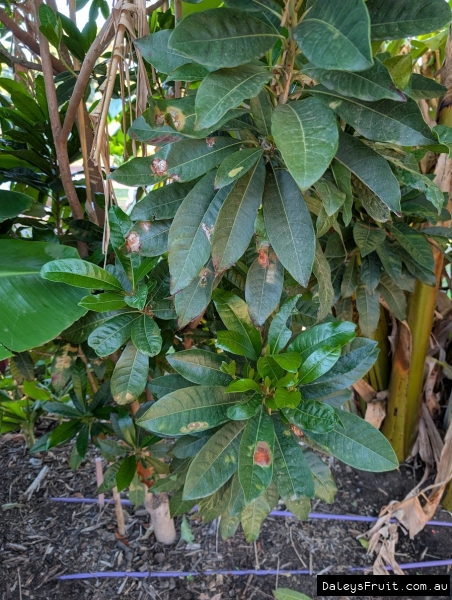
Lucuma with slight sunburn in Adelaide Botanic gardens SA
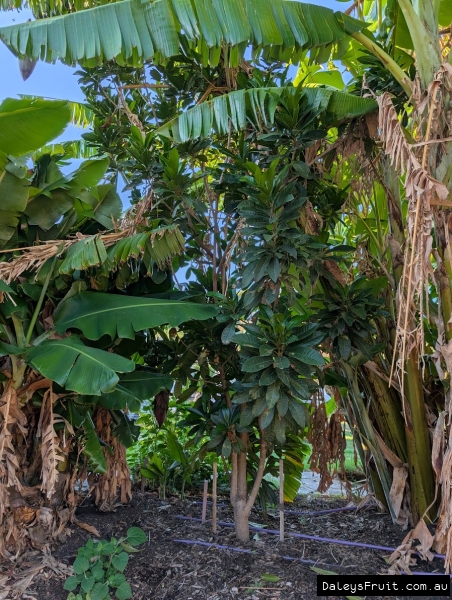
(2/3) Lucuma with slight sunburn in Adelaide Botanic gardens SA

Lucuma growing well in Adelaide Botanic gardens SA

(3/3) Lucuma growing well in Adelaide Botanic gardens SA

fullscreen1

Lucuma - Grafted

Pouteria lucuma
Fruit Trees > Tropical Fruit Trees > Lucuma - Grafted
Yellow flesh, sweet and similar to a canistel with unique peripheral flavours, like maple syrup. The fruits are round or oval and very popular in South America when they are dried, powdered or made into icecream. Lucuma is suited to more temperate areas i... Read More
Other Names: Lucmo, Lucuma bifera

$99.00

Shop Similar

Specifications of Lucuma - Grafted

Preferred Climate Subtropical, Warm TemperateLearn About Climate Zones

Grown From GraftedLearn About Propagation Methods

Max Height (when in the ground with good conditions) 5-10m

Plants required to Pollinate 1 (Self Pollinating)Learn about Pollination

Can it Handle Frosts? Likes Temps above 5deg, Sometimes

Amount of leaves in Winter? All Leaves (Evergreen)

Water Requirements Moderate Watering

Is it a Dwarf Fruit Tree? No (Full Size)

Time to Fruit/Flower/Harvest 2-3 Years

Sun or Shade Full (Sun:80%-100%)

Preferred Soil Type Good Drainage

Soil pH Neutral (6.6-7.3pH)

Fertiliser All Purpose, Compost

Plant Width 2-4m

Growth Rate Slow, Medium

Customers also bought

These plants are often purchased together. Also check plant information for suitability in your orchard.
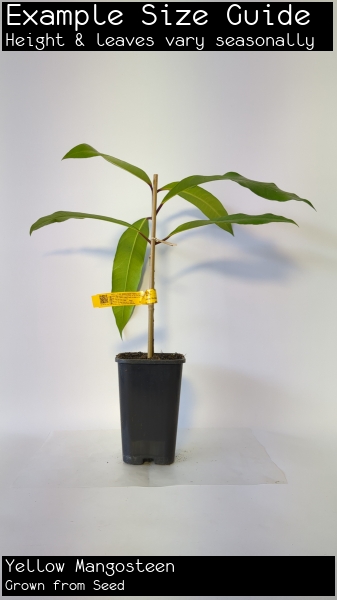
Yellow Mangosteen

$34.00 ($28.90-$79.00 choose a size)

Yellow Mangosteen is a round fruit with very tart yellow segments. The high acidity makes it ideal for jams and jellies but removing the seed and skin can be time consuming. Easier to grow in the subtropics than the purple mangosteen, but the flavour is altogether different. The tree grows well in full sun and shade. It will tolerate and continue to fruit heavily in drought conditions. The tree is very attractive, with large drooping leaves and a layered form. The fruit can reach 8-10 cm in length and looks highly ornamental when in the tree. Pairs so well with a Miracle Fruit to reduce the acid flavour and bring out the interesting tropical flavours.

Canistel Aurea

$79.00

Aurea produces a large elongated fruit of excellent quality. The fruit is delicious eaten fresh or with a little salt and lemon juice added. Canistels are often added to sweet custards or made into delicious eggnog-like milk shakes.

Lemon Drop Mangosteen

$21.00 ($21.00-$49.00 choose a size)

Very attractive slow growing tree, with dark green leathery leaves. Native to wet forests of Central America.Oval shaped fruits are produced in summer reaching up to 2cm. The white pulp has a pleasant subacid aromatic flavour, with a similar flavour to the Achacha.Very ornamental making an excellent display potted plant. While the tree may not produce fruit in colder regions, the leaves are quite cold hardy and can tolerate winter conditions. May require protection from frosts when young. The tree hardy to most soil conditions and is not nutrient demanding. Featured in our newsletter

Abiu

$42.95 ($29.00-$79.00 choose a size)

A smooth, brilliant yellow fruit with sweet translucent flesh. It has delicious flavour reminiscent of creme caramel and a texture that is extremely smooth and luscious. The fruit is considered a delicacy for those who can grow it successfully, and it thrives in warm subtropical and tropical conditions.It is native to South America and can be found growing wild throughout much of Amazonia. In Brazil the pulp from the plant is used medicinally, to relieve coughs and bronchitis. Of course, most people love the fruit's flavour, which is enhanced when eaten slightly chilled. Cut in half and scoop out the flesh with a spoon and enjoy. It can be used to flavour ice cream and make other desserts.

Star Apple

$29.00 ($4.90-$59.00 choose a size)

Sometimes known as Cainito is native to the West Indies where it is a very popular fruit. Fruit can be purple or green skinned. When cut in half there is an attractive star pattern. The flesh is sweet and tastes very smooth and aromatic. A very attractive tropical tree, leaves green above and gold underneath. Not suitable for temperate climates.

Malabar Chestnut

$29.00 ($14.90-$59.00 choose a size)

Also known as Saba Nut, this medium sized, fast growing tree is grown in many parts of the world. It makes a beautiful landscape specimen and an attractive indoor plant. The large white flowers are very fragrant, another reason to have it in the garden. Overall, this versatile tree is a handsome landscape addition. The seeds have been recommended for eating eaten either raw or roasted, however recent research has indicated that there may be toxic compounds present that are not neutralised through cooking. When roasted or fried in oil they taste like chestnuts or cashews They can also be ground and used as a flour substitute when baking bread. The young leaves and flowers have also been cooked and eaten as a vegetable, however no mention is made of this in the research. Production of nuts starts within a few years. The large, white, self-fertile flowers display spectacular clusters of 10cm cream-white stamens. The fruit is a woody green five-valved pod up to 30cm in length. The capsules that follow burst open when the seeds are ripe. The plant grows well in mild inland and coastal areas. The plant will tolerate brief exposure to low temperatures but won't tolerate frost. A frost-free location with some protection from hot, drying winds is the best choice for the plant. It will take full sun to partial shade. Malabar chestnuts are not overly fussy about soil as long as it is well drained. They are semi-deciduous. WARNING: SEEDS SHOULD NOT BE EATEN

Lucuma - Grafted Reviews & Tips

Star Rating

  • Subscribe
  • Postage Free Truck
  • Plant List
  • Calculate Freight