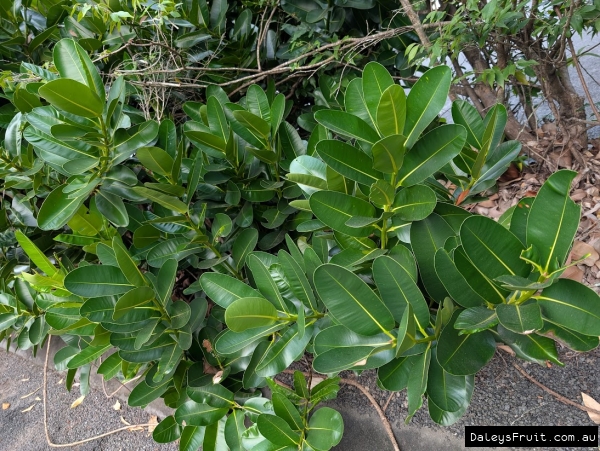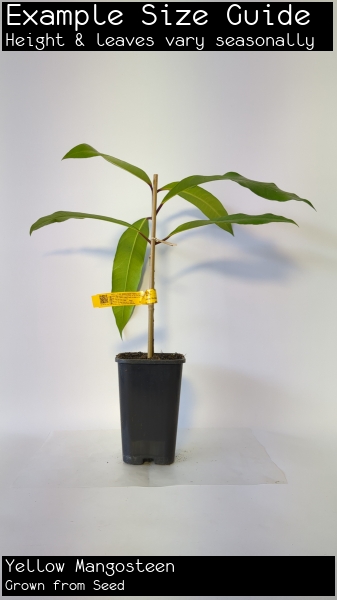







Tamanu (calophllum) Also known as Beauty Leaf. Darwin Botanical gardens.

(1/5) Tamanu (calophllum) Also known as Beauty Leaf. Darwin Botanical gardens.

Calophyllum inophyllum (fruits). Location: Oahu, Kualoa Park

(2/5) Calophyllum inophyllum (fruits). Location: Oahu, Kualoa Park By Forest & Kim Starr [CC BY 3.0] (Photo Credits)
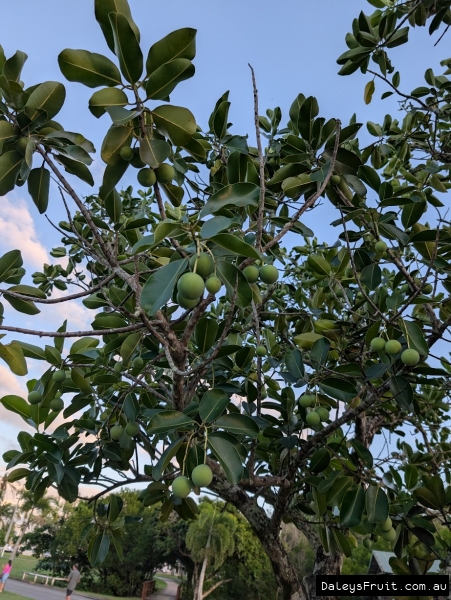
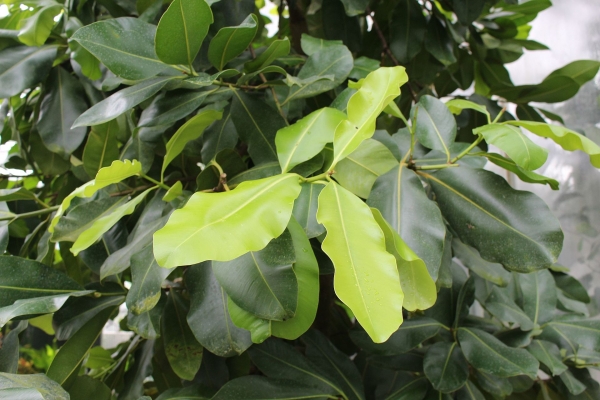
Leaves of Calophyllum inophyllum

(3/5) Leaves of Calophyllum inophyllum By Misolonax [CC BY-SA 4.0] (Photo Credits)

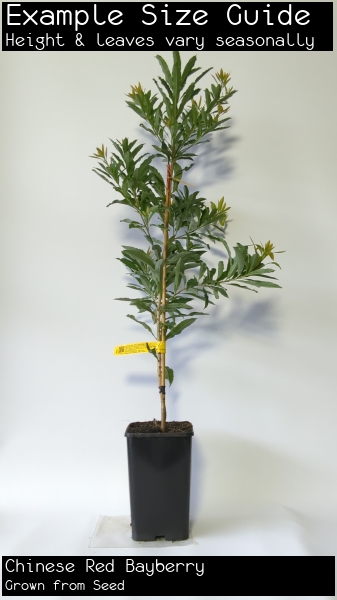
Tamanu - Calophyllum inophyllum For Sale (Medium)

(4/5) Tamanu - Calophyllum inophyllum For Sale (Medium)

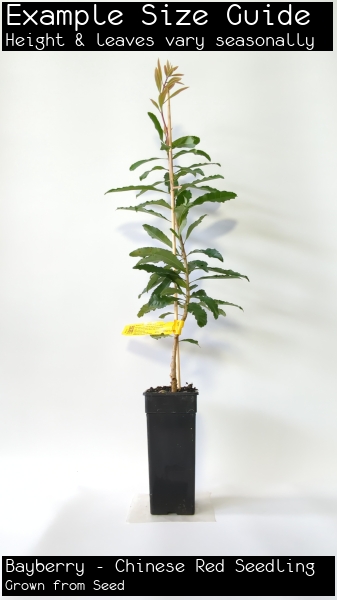
Tamanu - Calophyllum inophyllum For Sale (Small)

(5/5) Tamanu - Calophyllum inophyllum For Sale (Small)

fullscreen1

Tamanu - Calophyllum inophyllum

Calophyllum inophyllum
Trees and Plants > Rainforest Trees > Secondary/Mature > Tamanu - Calophyllum inophyllum
Very attractive and large shade tree, with glossy leaves on far reaching branches. Fragrant flowers suitable for honey production. Growing on North Queensland beaches and throughout the Polynesian Islands. It is frost sensitive. Tamanu Oil, extracted fr... Read More
Other Names: Mastwood, Beach calophyllum, Beauty leaf, Sinhala

$19.90 ($18.75-$19.90 choose a size)

Specifications of Tamanu - Calophyllum inophyllum

Preferred Climate Tropical, SubtropicalLearn About Climate Zones

Grown From SeedlingLearn About Propagation Methods

Max Height (when in the ground with good conditions) +10m

Plants required to Pollinate 1 (Self Pollinating)Learn about Pollination

Can it Handle Frosts? Likes Temps above 5deg

Amount of leaves in Winter? All Leaves (Evergreen)

Water Requirements Moderate Watering

Is it a Dwarf Fruit Tree? No (Full Size)

Time to Fruit/Flower/Harvest 5+ Years

Sun or Shade Full (Sun:80%-100%), Part (Sun:50-80%)

Preferred Soil Type Good Drainage, Poor Drainage (Clay)

Soil pH Moderately Acidic (5.5-6.5), Neutral (6.6-7.3pH)

Fruiting/Harvest Months January, February, March, April, May, June, July, August, September, October, November, December

Create a Filter to find similar plants

Climate Tropical
Create Filter filter_vintage

Customers also bought

These plants are often purchased together. Also check plant information for suitability in your orchard.

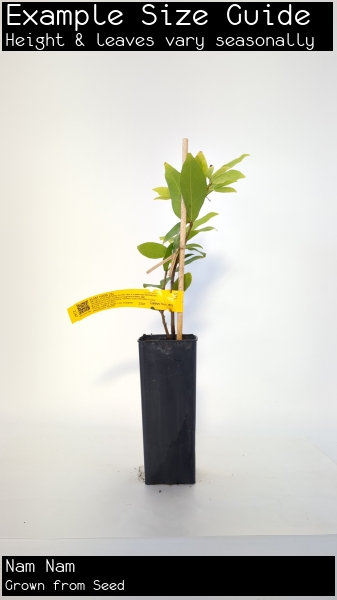
Nam Nam

$49.00

Belonging to the bean family the nam nam is a small multi-stemmed tree. The texture of the fruit surface is rough and wrinkled, pale greenish/yellow and dull looking. The flesh is juicy and yellow in colour. It tastes sourish and has large seeds. The mature fruit can be eaten fresh or cooked with sugar to make sweets (compote). It can also be made into a fruit salad, pickled, or be used to prepare a special 'sambal.' The tree makes an attractive ornamental plant in home gardens and is also potted and grown as bonsai plant.Suited to tropical areas only

Carambola Starfruit - Giant Siam

$49.00 ($49.00-$99.00 choose a size)

A very large fruited selection with sweet juicy flesh. The juicy transparent flesh has a citrus quality with a floral accent and is delicious eaten fresh, made into juice or into a delicious chutney Carambola trees have an attractive weeping habit, producing a profusion of pink flowers. The foliage is delicate on young trees, and our potted plants are known for their older leaves to turn yellow and drop during transport to conserve energy. This is not a problem long term. With care and acclimatisation they will bounce back

Peach - Aztec Gold

$49.00

Aztec Gold has a yellow flesh and requires up to 300 hours of chill. It has a good resistance to bacterial black spot. A large firm fleshed peach that grows well in the subtropics. Resistant to bacterial black spot. Aztec Gold has yellow flesh and red / yellow skin.

Malabar Chestnut

$29.00 ($14.90-$59.00 choose a size)

Also known as Saba Nut, this medium sized, fast growing tree is grown in many parts of the world. It makes a beautiful landscape specimen and an attractive indoor plant. The large white flowers are very fragrant, another reason to have it in the garden. Overall, this versatile tree is a handsome landscape addition. The seeds have been recommended for eating eaten either raw or roasted, however recent research has indicated that there may be toxic compounds present that are not neutralised through cooking. When roasted or fried in oil they taste like chestnuts or cashews They can also be ground and used as a flour substitute when baking bread. The young leaves and flowers have also been cooked and eaten as a vegetable, however no mention is made of this in the research. Production of nuts starts within a few years. The large, white, self-fertile flowers display spectacular clusters of 10cm cream-white stamens. The fruit is a woody green five-valved pod up to 30cm in length. The capsules that follow burst open when the seeds are ripe. The plant grows well in mild inland and coastal areas. The plant will tolerate brief exposure to low temperatures but won't tolerate frost. A frost-free location with some protection from hot, drying winds is the best choice for the plant. It will take full sun to partial shade. Malabar chestnuts are not overly fussy about soil as long as it is well drained. They are semi-deciduous. WARNING: SEEDS SHOULD NOT BE EATEN

Lakoocha or Monkey Jack

$26.90 ($26.90-$39.00 choose a size)

Also known as monkey jack or lakuchi in India; tampang and other similar native names in Malaya; as lokhat in Thailand. The deciduous tree is 6-9 m tall, the large, leathery leaves, downy on the underside. Male and female flowers are borne on the same tree, the former orange-yellow, the latter reddish. The fruits are nearly round or irregular, 2 to 5 in (5-12.5 cm) wide, velvety, dull-yellow tinged with pink, with sweet sour pulp which is occasionally eaten raw but mostly made into curries or chutney. The male flower spike, acid and astringent, is pickled.

Loquat - Nagasakiwase

$79.00 ($49.00-$79.00 choose a size)

The best Japanese variety so far, it has deep orange flesh, high flesh/seed ratio and very sweet flavour. Earliest variety to ripen. Thinning fruit will enhance fruit size. The Nagasakiwase often has 2 crops a year in the subtropics. The first crop in April / May then again in August. We have found by cincturing in summer, the August crop has a much larger crop and better fruit size.

Tamanu - Calophyllum inophyllum Reviews & Tips

Star Rating

  • Subscribe
  • Postage Free Truck
  • Plant List
  • Calculate Freight