







Harvest's Edible Backyard
Grumichama - Black Harvest's Edible Fruits Harvest's Edible FruitsUpdate: 6243 days 16hrs Comments: - In climatisation phase, will plant W/E 15Aug09 Small tree in background behind plums Growing: In the Ground Qty: 1 Sun/Shade: Full Sun Water Given in: Spring Fertiliser or Organics Used: Organic manures initially Question: When established when is it advisable to prune Was this review helpful? Yes | No | Report 1 of 1 people found this review useful |
Lemon - Meyer Harvest's Edible Fruits Harvest's Edible FruitsUpdate: 6250 days 10hrs Comments: - Planted August 09 Height 0.5 metres Growing: In the Ground Sun/Shade: Full Sun Fertiliser or Organics Used: Organic manures initially Was this review helpful? Yes | No | Report |
Fig Black Genoa Harvest's Edible Fruits Harvest's Edible FruitsUpdate: 6250 days 10hrs Comments: - Planted August 09 Height 1 metres Growing: In the Ground Sun/Shade: Full Sun Fertiliser or Organics Used: Organic manures initially Was this review helpful? Yes | No | Report 0 of 1 people found this review useful |
Dwarf Lemonade Harvest's Edible Fruits Harvest's Edible FruitsUpdate: 6250 days 10hrs Comments: - Planted August09. Is in flower. Sun/Shade: Full Sun Fertiliser or Organics Used: Organic manures initially Was this review helpful? Yes | No | Report 4 of 10 people found this review useful |
Peach - Angel Subtropical PBR Harvest's Edible Fruits Harvest's Edible FruitsUpdate: 6250 days 10hrs Comments: - Planted 12August09 sharing same plot with Nectarine Goldmine. Trial as multigrafted trees were not successful at another locality. Growing: In the Ground Sun/Shade: Full Sun Fertiliser or Organics Used: Organic manures initially Was this review helpful? Yes | No | Report 1 of 4 people found this review useful |
Dwarf Plum Gulf Gold Tree (G) Harvest's Edible Fruits Harvest's Edible FruitsUpdate: 6250 days 10hrs Comments: - In acclimatisation phase, will plant W/E 15August09. Joint planting in same plot with Plum Yarrahapinni Blood Growing: In the Ground Fertiliser or Organics Used: Organic manures initially Was this review helpful? Yes | No | Report 0 of 1 people found this review useful |
jabiticaba Harvest's Edible Fruits Harvest's Edible FruitsUpdate: 6250 days 10hrs Comments: - In acclimatisation phase will plant W/E 15Aug09 Growing: In the Ground Qty: 1 Fertiliser or Organics Used: Organic manures initially Was this review helpful? Yes | No | Report |
Black Sapote (Seedling)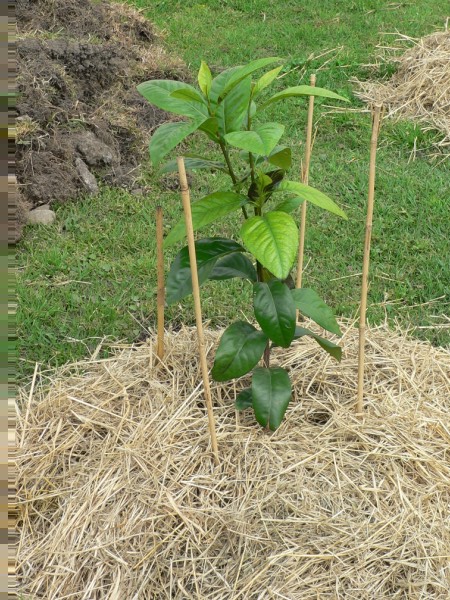 Harvest's Edible Fruits Harvest's Edible FruitsUpdate: 6250 days 10hrs Comments: - In acclimatisation phase, will plant W/E 15Aug09 Qty: 1 Sun/Shade: Full Sun Fertiliser or Organics Used: Organic manures initially Was this review helpful? Yes | No | Report 1 of 3 people found this review useful |
Passionfruit - Panama Red Pandora Harvest's Edible Fruits Harvest's Edible FruitsUpdate: 6250 days 10hrs Comments: - In climatisation phase, will plant W/E 15Aug09 Sun/Shade: Medium Sun Fertiliser or Organics Used: Organic manures initially Was this review helpful? Yes | No | Report 5 of 16 people found this review useful |
Longan - Seedling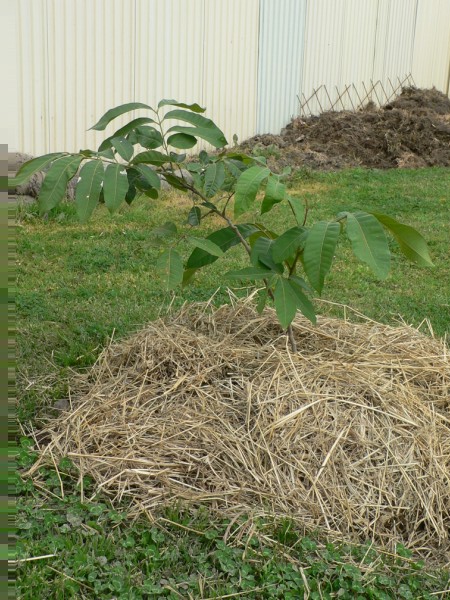 Harvest's Edible Fruits Harvest's Edible FruitsUpdate: 6250 days 10hrs Comments: - In acclimatisation phase, will plant W/E 15Aug09 Sun/Shade: Full Sun Fertiliser or Organics Used: Organic manures initially Was this review helpful? Yes | No | Report 1 of 5 people found this review useful |
Plum - Yarrahapinni Blood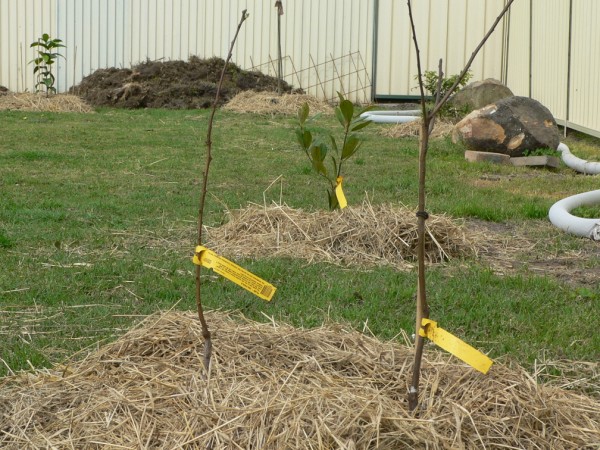 Harvest's Edible Fruits Harvest's Edible FruitsUpdate: 6250 days 10hrs Comments: - In climatisation phase will plant W/E 15Aug09. Share the same plot as Plum Gulfgold. Planted: 2009 Growing: In the Ground Qty: 1 Sun/Shade: Full Sun Water Given in: Spring SummerFertiliser or Organics Used: Organic manures initially Was this review helpful? Yes | No | Report 2 of 7 people found this review useful |