





(1/11) Amla3

(2/11) Amla at Kyogle in Orchard

(3/11) Amla

(4/11) Amla bark

(5/11) Amla tree
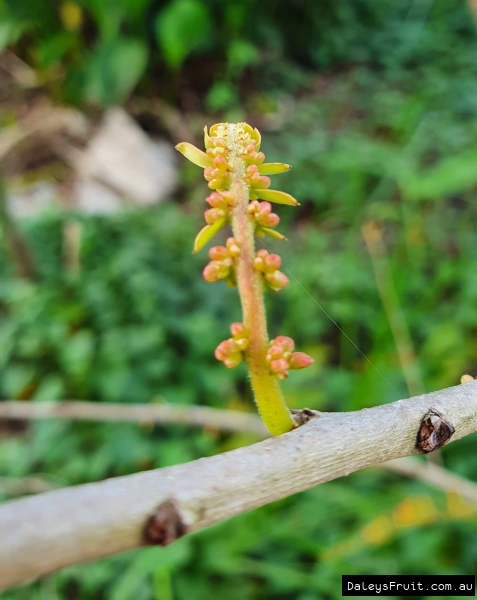
(6/11) New shoots on an Amla tree.

(7/11) Leaf of the Amla

(8/11) Amla For Sale

(9/11) Amla For Sale

(10/11) Amla For Sale

(11/11) Amla For Sale
Amla
Phyllanthus emblica$49.00 ($24.00-$79.00 choose a size)
Specifications of Amla
Preferred Climate Tropical, SubtropicalLearn About Climate Zones
Grown From SeedlingLearn About Propagation Methods
Max Height (when in the ground with good conditions) 5-10m
Plants required to Pollinate 1+ Beneficial (cross pollination helps with fruit set)Learn about Pollination
Can it Handle Frosts? Sometimes
Amount of leaves in Winter? Some Leaves (Partly Deciduous)
Water Requirements Drought Hardy (Little Watering)
Is it a Dwarf Fruit Tree? No (Full Size)
Time to Fruit/Flower/Harvest 4-5 Years
Sun or Shade Full (Sun:80%-100%)
Preferred Soil Type Good Drainage
Soil pH Neutral (6.6-7.3pH)
Fruiting/Harvest Months June, July, August, September, October
Create a Filter to find similar plants
Customers also bought
These plants are often purchased together. Also check plant information for suitability in your orchard.
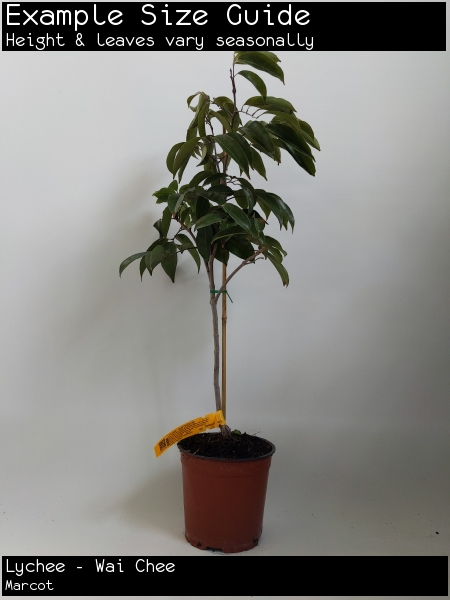
Lychee - Wai Chee
$49.00 ($49.00-$79.00 choose a size)
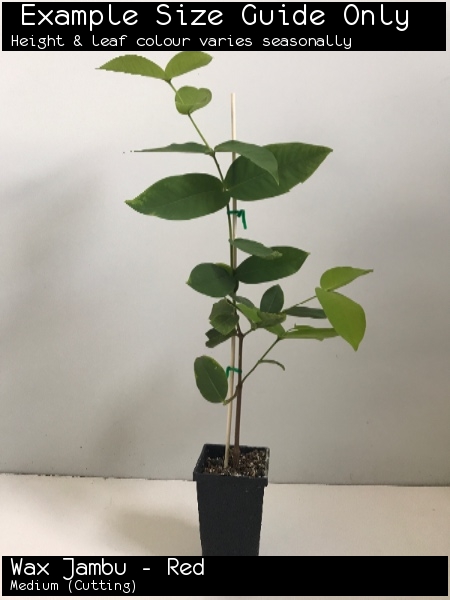
Wax Jambu - Red
$49.00 ($34.00-$79.00 choose a size)


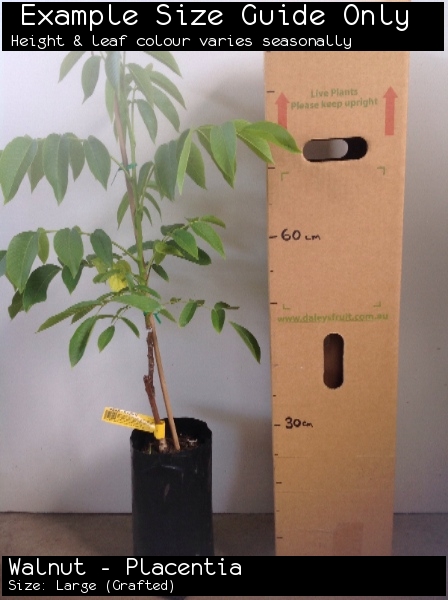
Walnut - Placentia
$79.00 ($29.75-$79.00 choose a size)
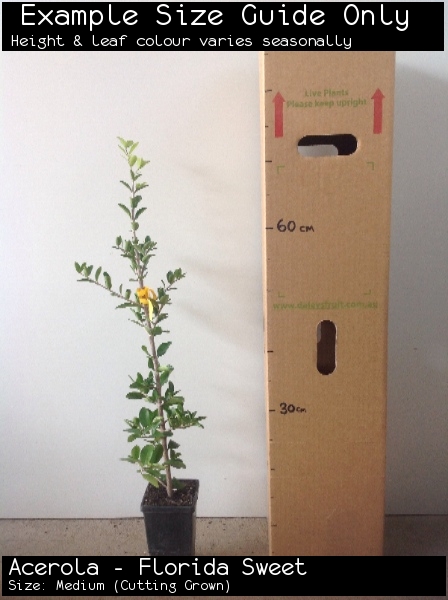
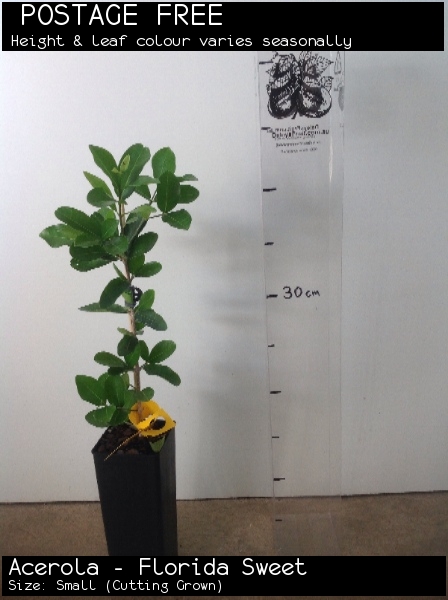
Acerola - Florida Sweet
$34.00 ($14.90-$79.00 choose a size)

Malabar Chestnut
$29.00 ($12.75-$59.00 choose a size)


Lime - Tahitian
$37.00 ($37.00-$69.00 choose a size)

Customer Tips & Reviews Amla
CRAIGNISH, QLD
Amla
They are healthy when they arrive I'm so happy all of them stills going well.
COOLUM BEACH, QLD
Amla
I am grateful you send plants in good condition and well established. Planted in bigger pot and doing great. Thanks

Whitebridge, NSW, Australia, Australia
Amla
It is highly used in aruvedic medic and cures many things a rich antioxidant highest form of vitamin C I want to buy a plant where from?
Amla
Research in the US has shown that Amla does not contain any Vit. C . It is the polyphenols (tanins) that give the taste.
Amla
Amla is very rich in Vitamin C and keeps immune system good. Can be made a drink with water as refreshing drink with bit of salt and balc pepper. Taken more than one glass will clean the stomach as well - severe loose motions
Winmalee, NSW, Australia
Great plant for poor soils - grows well but needs protection from wildlife
Amla
This is drought tollarant hardy plant.Minimum water in hot summer will keep it going!