







Luffa aegyptiaca immature fruit ready for harvest as a vegetable (right) and mature and peeled mature fruit used as a vegetal sponge (left)

(1/2) Luffa aegyptiaca immature fruit ready for harvest as a vegetable (right) and mature and peeled mature fruit used as a vegetal sponge (left) By User:Tomas nevado (right photo), Jerry Crimson Mann (upper left photo), Rik Schuiling / TropCrop - Tropical Crops Services (bottom left photo), montage by User:RoRo. [CC BY-SA 3.0] (Photo Credits)
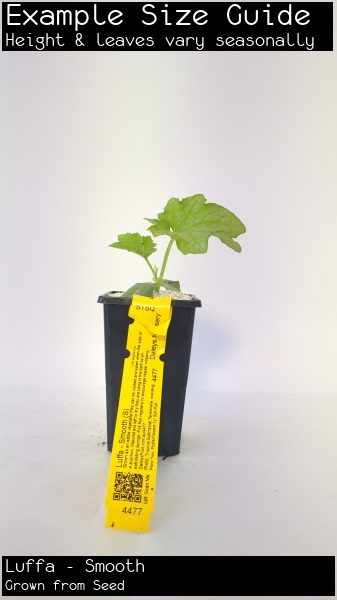
Luffa - Smooth For Sale

(2/2) Luffa - Smooth For Sale

fullscreen1

Luffa - Smooth

Luffa aegyptiaca
Grown as an edible vegetable they can be cooked and eaten when the size of a zucchini. Matured and left to dry they are using in the bath as an exfoliating sponge. Pick fruit regularly to encourage regular cropping. To prepare the luffa break off the stem... Read More
Other Names: shcloth gourd, sponge gourd, Egyptian cucumber, Vietnamese Luffa, loofa, loofah

$14.90 ($7.90-$14.90 choose a size)

Shop Similar

event_busy When will it be in Stock?

We previously had the most to buy in Oct and Nov. With limited quantities for sale in other months. They are unlikely to be available in Jul and Aug. Remember to click above to get notified when it is available once more.

Specifications of Luffa - Smooth

Preferred Climate Tropical, Subtropical, Warm TemperateLearn About Climate Zones

Grown From SeedlingLearn About Propagation Methods

Quarantine Restrictions to these Areas WA

Suitability in Pots Yes

Time to Fruit/Flower/Harvest First Year

Sun or Shade Full (Sun:80%-100%)

Fruiting/Harvest Months January, February, March, April, May, December

Fertiliser All Purpose, Compost

Customers also bought

These plants are often purchased together. Also check plant information for suitability in your orchard.

Carambola Starfruit - Kary

$59.00 ($59.00-$79.00 choose a size)

Excellent flavour, bright skin and juicy flesh with few seeds, bearing a summer and winter crop. It exhibits more cold tolerance than other varieties. Carambolas are also called Star Fruit Carambola trees have an attractive weeping habit, producing a profusion of pink flowers. The foliage is delicate on young trees, and our potted plants are known for their older leaves to turn yellow and drop during transport to conserve energy. This is not a problem long term. With care and acclimatisation they will bounce back

Lychee - Salathiel

$49.00 ($49.00-$79.00 choose a size)

Tree has an open dome shape with excellent quality fruit. Well suited to subtropical conditions. Beautiful coloured fruit with very small seed. Needs protection from wind when young. Mid season

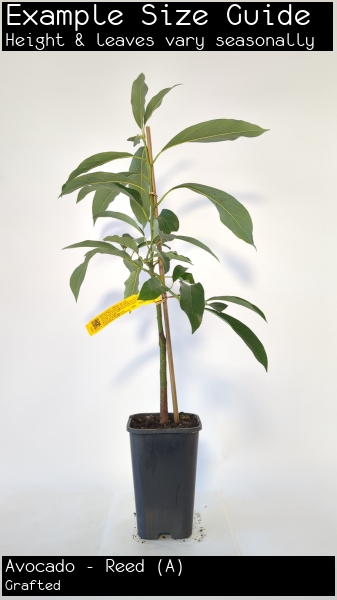
Avocado - Reed (A)

$54.00 ($54.00-$79.00 choose a size)

Large, round , thick skinned variety with a smooth, green skin. They have a mild to rich flavour and have a good storing ability once cut and placed in the fridge. They are also a great choice for using in salads as they tend not to go mushy as does a Hass when very ripe. H Aug - Dec

Orange - Washington Navel

$39.00 ($39.00-$99.00 choose a size)

The oldest and most popular navel grown in Australia. Has excellent skin colour and flavour, and usually produces round fruit. It's important to utilise fruit as soon as ripe as trees can be inclined to drop fruit or have it split in some climates
  Special  

Longan - Seedling

$24.75 ($14.75-$59.00 choose a size)

A close relative to the Lychee tree but much larger, stronger and more cold tolerant. The fruit is deliciously sweet. Seed selected from the superior varieties. Even though not true to type the benefits include a vigorous tree making it more suitable for marginal climates. Cincturing at about 3-4 years of age can force earlier fruiting than normally expected from seedling trees.
Click Choose above to view Specials
  Special  

Cassava

$4.95 ($4.95-$19.75 choose a size)

The tuberous root is white and has a satisfying but bland taste. Harvest can start from earlier than 12 months. Tubers are best dug when small and used within a couple of days or stored in the ground on the plant.Cassava is a shrubby plant growing to about 1-3m, with thin stems and attractive large palm-shaped leaves. A perennial shrub cassava produces a high yield of tuberous roots in 6 months to 3 years after planting. The tubers are the main part that is eaten, but the leaves can be enjoyed as a vegetable dish. Cassava is an important daily source of starch for 300-600 million of the poorest people around the world. It is among the most productive uses of subsistence land, producing 40% more starch than rice, and 25% more than maize. Note that all cassava is poisonous!! In some bitter varieties, all parts of the plant are laced with a highly toxic poison (hydrocyanic or prussic acid). Sweet varieties have lower or marginal concentrations of the toxin. But the more toxic varieties produce bigger tubers! Plants from the tropics have evolved toxins as a defence against predators more so than those from temperate climates which is why they require cooking in order to eat them. Thorough cooking dispels or denatures the harmful toxins, and makes the remaining portion safe to eat. Powdered cassava is treated like a flour and made into cakes, unleavened bread, pasta, crackers. Sliced cassava is also made into crisps. Flat bread made from cassava meal can keep for a year without spoiling. Dried chips or pellets are used as animal feed. Young tender leaves are rich in Vitamin B and protein, but also has more of the toxins. They are eaten as a vegetable. Like the tubers, they have to be boiled for minimum 15-20 mins in an open topped vessel to remove their toxins.Best grown without the use of fertilisers as too much vegetative growth is promoted at the expense of tubers
Buy 4+ @$4.95ea usually:$7.90ea

Luffa - Smooth Reviews & Tips

Star Rating

  • Subscribe
  • Postage Free Truck
  • Plant List
  • Calculate Freight