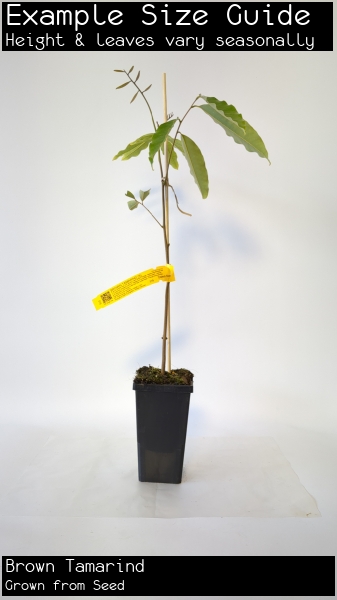








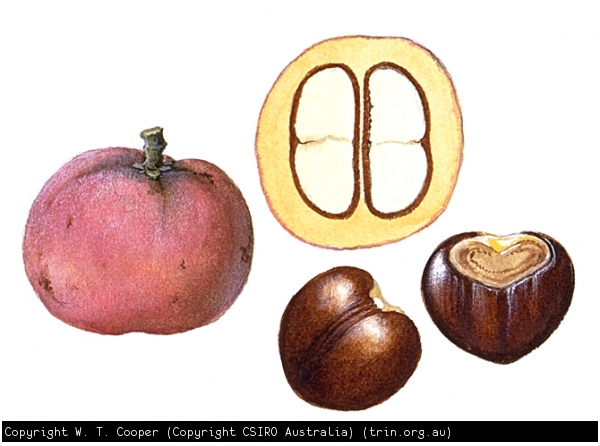
Brown Tamarind - Castanospora alphandii Fruit and cross section

(1/5) Brown Tamarind - Castanospora alphandii Fruit and cross section By W.T. Cooper CSIRO and CSIRO Plant Industry [All Rights Reserved, Used By Permission] (Photo Credits)
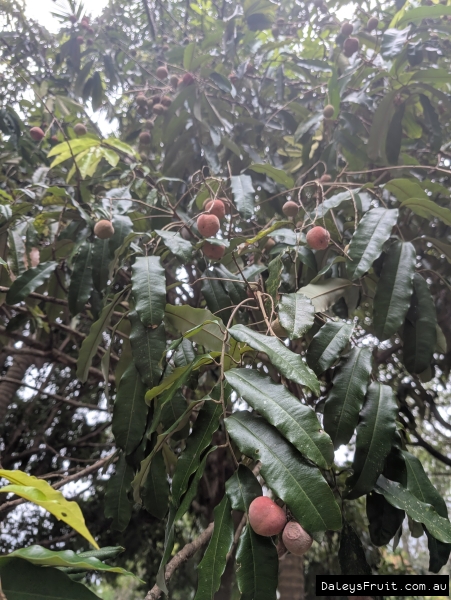
Brown Tamarind near Heritage Park in Lismore NSW Australia

(2/5) Brown Tamarind near Heritage Park in Lismore NSW Australia

Brown Tamarind For Sale

(3/5) Brown Tamarind For Sale

Leaf of the Brown Tamarind

(4/5) Leaf of the Brown Tamarind

Brown Tamarind For Sale

(5/5) Brown Tamarind For Sale

fullscreen1

Brown Tamarind

Castanospora alphandii
Trees and Plants > Native Plants > Brown Tamarind
A good shade tree with glossy, dark green foliage. Needs well-drained soil in a partially shaded position. Makes an excellent indoor plant. Leaves are pale grey and have a felt-like feel underneath. Fast growing pioneer for bush regeneration projects

$2.75 ($2.75-$11.90 choose a size)

Buy 4+ @$2.75ea usually:$4.90ea

Specifications of Brown Tamarind

Preferred Climate SubtropicalLearn About Climate Zones

Grown From SeedlingLearn About Propagation Methods

Max Height (when in the ground with good conditions) +10m

Plants required to Pollinate 1 (Self Pollinating)Learn about Pollination

Can it Handle Frosts? Sometimes

Amount of leaves in Winter? All Leaves (Evergreen)

Water Requirements Moderate Watering

Time to Fruit/Flower/Harvest 5+ Years

Sun or Shade Part (Sun:50-80%)

Preferred Soil Type Good Drainage

Soil pH Neutral (6.6-7.3pH)

Customers also bought

These plants are often purchased together. Also check plant information for suitability in your orchard.

  Special  

Achacha

$34.00 ($27.00-$129.00 choose a size)

A cousin of the mangosteen, Achachas are tangy and refreshing with a delicate subtle sweetness, a fine balance between sweetness and acidity, producing an unusual taste sensation. Fruit should be picked mature as it does not ripen further on storage. Originating from the Bolivian part of the Amazon basin in South America, the Bolivian name of the fruit is Achachairu and translated means honey kiss. Achacha is protected by Plant Breeders Right (PBR) and cannot be grown or propagated without licence agreement with Achacha Fruit Group
Buy 1+ @$34.00ea usually:$39.00ea
  Special  

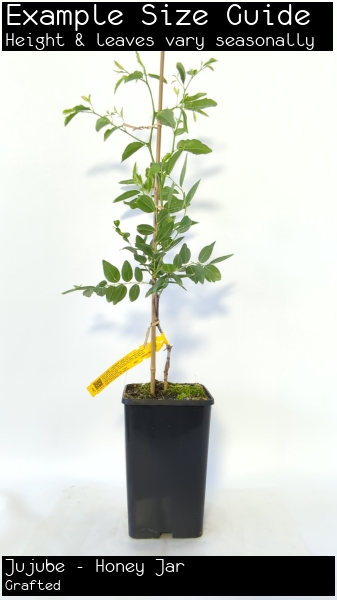
Jujube - Honey Jar

$109.00 ($109.00-$119.00 choose a size)

Sweet and crunchy when fresh, the Honey Jar has a classic jujube flavour & crispness with a blue gum honey flavour. This smaller, round jujube fruit is said to develop a unique caramel apple flavour as it dries. The variety is a heavy producer and harvest can be extended with multiple pickings. Early season.
Buy 1+ @$109.00ea usually:$124.90ea
  Special  

Jujube - Chico

$114.00 ($109.00-$139.00 choose a size)

Compact and bushy, perfect for pots with round fruit flattened on the bottom. Look similar to a small apple. Pick when the whole fruit (or at least 80%) has just turned brownish red. Texture is crisp and light we consider it an excellent fresh or dried variety. Fruit size 35-45mm. Developed at the Chico institute in California, this is an early fruiting variety. (Jan - March) Cross pollinate for best results.
Buy 1+ @$114.00ea usually:$124.00ea

Olive - Kalamata

$49.00 ($49.00-$84.00 choose a size)

Their fruit is juicy and sweet and have a unique torpedo shape and split in the skin. The most popular olive in Australia, they are ideal for use in cooking or as an olive to eat alone. Available seasonally as a grafted product as well as a cutting grown plant. Prefers cool winters and hot, dry summers. Suggested cross-pollinators are Frantoio and Koroneiki.

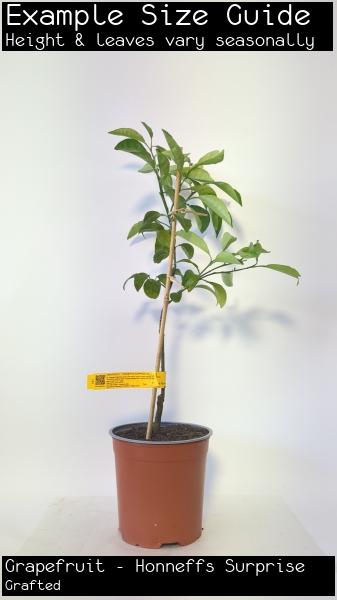
Grapefruit - Honneffs Surprise

$42.95

An Orange-Grapefruit cross with heavy crops of dark orange skinned fruits. The fruit is sweeter than a regular grapefruit, it has a thin rind, few seeds and is very juicy.
  Special  

Bayberry - Chinese Red Seedling

$59.00 ($39.00-$129.00 choose a size)

Fruit is typically a deep, brilliant red, but may vary from white to purple. Flesh colour is similar to outer colour, or somewhat lighter. Flesh is sweet and tart with berry flavours. Single seeded. Besides eating fresh, the fruits may be dried, canned, soaked in liquor. The bayberry is an evergreen dioecious tree with separate male and female plants. Our seedlings are not sexed and it is recommended to grow at least 3 to be assured of at least one female.
Buy 3+ @$59.00ea usually:$79.00ea

Brown Tamarind Reviews & Tips

Star Rating

  • Subscribe
  • Postage Free Truck
  • Plant List
  • Calculate Freight