




(1/9) Tamarind Fruit - By changephoto [CC0 1.0] (Photo Credits)
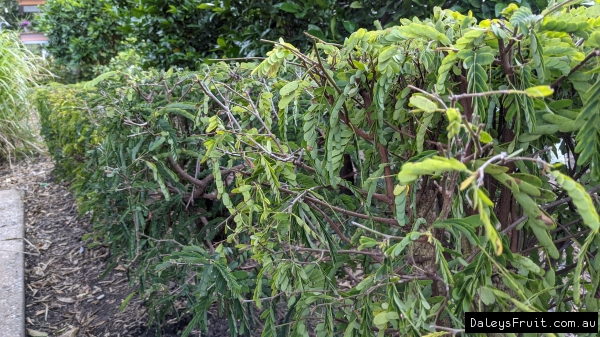
(2/9) The Tamarind Plant can be used as a very thick hedge when spaced 1m apart demostrated at Epicurious south bank brisbane qld Australia

(3/9) Tamarind Tree Gili Islands By B.navez [CC BY-SA 3.0] (Photo Credits)
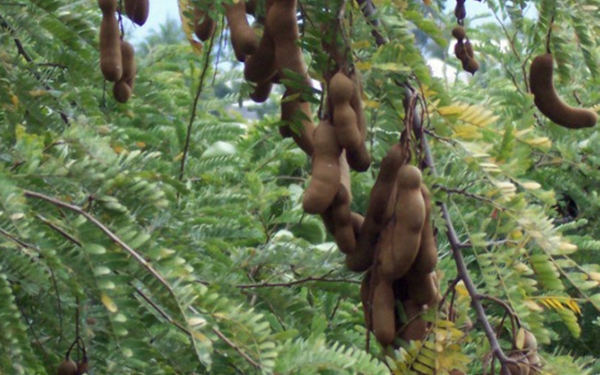
(4/9) tamarind Fruit and pods growing on the tree by Modified by Crop By B.navez [GFDL (http://www.gnu.org/copyleft/fdl.html) CC-BY-SA-3.0, CC BY 2.5] (Photo Credits)

(5/9) Tamarind For Sale (Large)
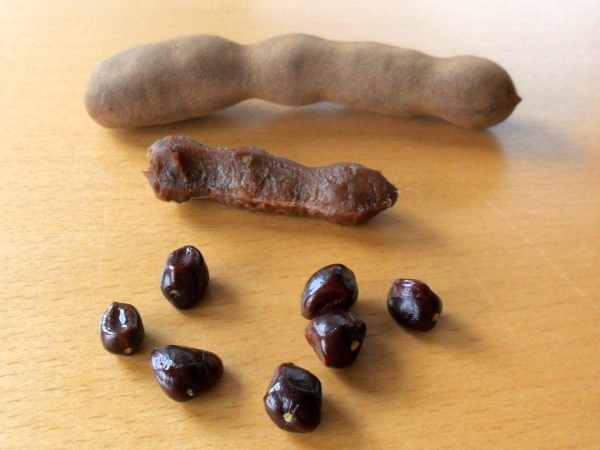
(6/9) Tamarind fruit with seeds, pulp and pot By Jungle Rebel [CC BY-SA 3.0] (Photo Credits)

(7/9) Leaf of the Tamarind

(8/9) Tamarind For Sale (Size: Medium) (Grown from Seed)
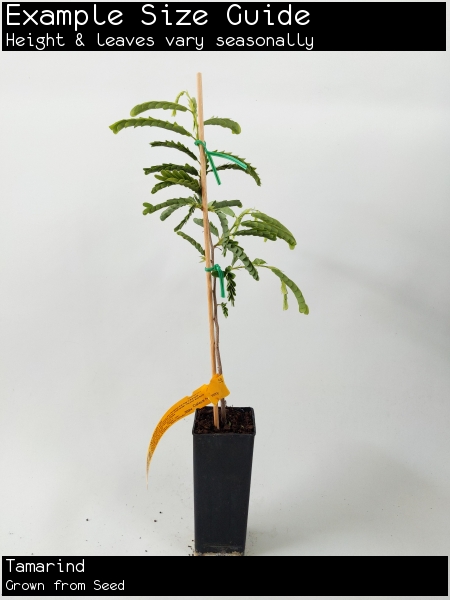
(9/9) Tamarind For Sale
Tamarind
Tamarindus indica$27.00 ($19.75-$79.00 choose a size)
When will it be in Stock?
We previously had the most to buy in Jan and Aug. With limited quantities for sale in other months. They are unlikely to be available in Nov and Dec. Remember to click above to get notified when it is available once more.
Specifications of Tamarind
Preferred Climate Tropical, SubtropicalLearn About Climate Zones
Grown From SeedlingLearn About Propagation Methods
Max Height (when in the ground with good conditions) +10m
Plants required to Pollinate 1 (Self Pollinating)Learn about Pollination
Can it Handle Frosts? Sometimes
Amount of leaves in Winter? Some Leaves (Partly Deciduous)
Water Requirements Moderate Watering
Time to Fruit/Flower/Harvest 5+ Years
Sun or Shade Full (Sun:80%-100%)
Preferred Soil Type Good Drainage
Soil pH Neutral (6.6-7.3pH)
Fruiting/Harvest Months January, February, March, April, October, November, December
Create a Filter to find similar plants
Customers also bought
These plants are often purchased together. Also check plant information for suitability in your orchard.
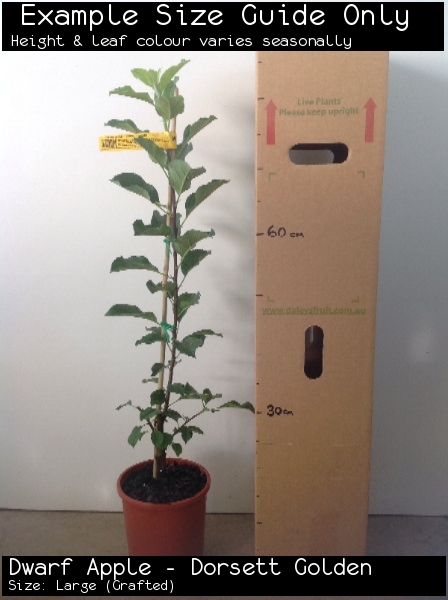
Dwarf Apple - Dorsett Golden
$49.00 ($49.00-$79.00 choose a size)
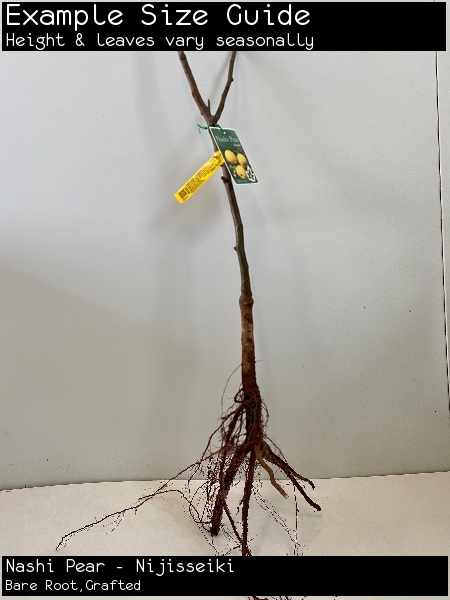
Nashi Pear - Nijisseiki
$52.95 ($39.00-$52.95 choose a size)

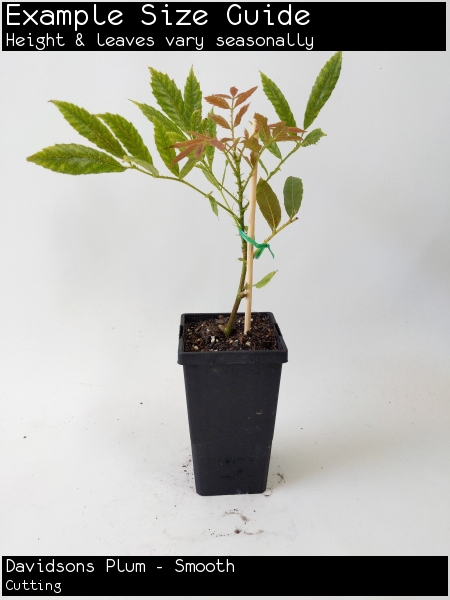
Davidsons Plum - Smooth
$29.00 ($19.75-$79.00 choose a size)

Mango - Keow Savoey
$54.00
Wax Jambu - Purple
$49.00 ($49.00-$64.00 choose a size)

Lychee - Bosworth 3
$49.00 ($49.00-$79.00 choose a size)
Customer Tips & Reviews Tamarind
Tamarind
it is a valuable plant to have, lots of uses, so far it is doing well. I hope it does well when I transplant it.
DARTS CREEK, QLD, Australia
Fast growing. Will eventually throw shade and provide leaf litter.
Seaford , VIC
Tamarind
As a kid in Mackay there used to be a tamarind tree outside the Slade Point post office. I think it was a life saver as there wasn't much decent food in our house at the time.I feasted on the tamarinds and also eat the leaves.Wonderful nutrition.
Upper Brookfield, 4069, Australia
Tamarind
I am in north thailand and enjoying a sweet tamarind in season; but one is sweeter than the other; 2 varieties it seems. do you have the sweet one or sour one?

(1/1)
DERBY, WA
Have since found out that a species of Tamarind is native to this area and this one came all the way from Kyogle. Needless to say I am very happy with my tree and it loves it here. It has taken off and has grown 1m since it was planted last year.
Charters Towers, QLD, Australia
Tamarind
When we were kids we would make a tamarind drink. Make it like a cup of tea, sweetened to tast, refrigerate. Better than cordial. Now living in NSW, I miss Mums beautiful big Tamarind tree.