








(1/2) Video: Welcome to Daleys Fruit Tree Nursery Extended
(2/2) Video: Welcome to Daleys Fruit Tree Nursery
Visit Daleys
Visit Us in Kyogle
Special
Lilly Pilly - Riberry
$3.75 ($3.75-$19.90 choose a size)
The small leaved lilly pilly produces masses of red pear shaped fruit. Its handsome purple-red growth makes this lilly pilly one of the favourites as an Edible Hedge. The fruit exhibits a juicy but slightly acidic finish. Which is reminiscent of cinnamon and cloves. It is a very popular ingredient in wild-food dishes.


Buy 4+ @$3.75ea usually:$4.90ea
Special
Jujube - Si Hong
$99.00
Produces large, round to barrel shaped fruit of very good quality. Sihongs sweetness makes it great for fresh eating or dehydrating. Unlike other jujubes, when dried, Sihong has fine wrinkles on its skin surface. Very reliable bearing. Cross pollinate for best results.Mid season ripening

Buy 1+ @$99.00ea usually:$124.00ea
Special
Jujube - Li
$114.00
Large and round in shape. The texture is crisp and fresh fruit have an excellent flavour. Fruit can be picked at the yellow/green stage however the best flavour is obtained when half the fruit has turned reddish brown. Mature fruits are 40-60mm in diameter. Early - Mid season ripening (Feb-April) Self fertile

Buy 1+ @$114.00ea usually:$124.00ea
Dwarf Coffee - Red Catuai
$19.75 ($18.75-$19.75 choose a size)
A dwarf coffee selection suitable for handpicking. Prolific cropper of quality roasting beans. Makes an ideal choice for growing in a pot in small yards and as an ornamental. An internationally important cultivar due to its compact size for efficient picking and crop protection. A mid season producer of quality beans. The lineage of this cultivar is Mundo Novo x Caturra and it was released in Brazil in the 70s. For good production plant in rich free draining soil in full sun to part shade location with regular watering. Coffee fruits can also be eaten and have a pleasant sweetish taste. Red Catuai is the main variety grown commercially in Nth Qld and does have some susceptibility to leaf rust and other common coffee plant pests.


Click Choose above to view Specials
Special
Jujube - Shanxi Li
$109.00
Crisp, sweet, great eating fresh or dried and easily the largest of all the jujube varieties. While partially self fertile plant two or more to cross pollinate and get a heavier crop.

Buy 1+ @$109.00ea usually:$124.90ea
Special
Jujube - Chico
$114.00
Compact and bushy, perfect for pots with round fruit flattened on the bottom. Look similar to a small apple. Pick when the whole fruit (or at least 80%) has just turned brownish red. Texture is crisp and light we consider it an excellent fresh or dried variety. Fruit size 35-45mm. Developed at the Chico institute in California, this is an early fruiting variety. (Jan - March) Cross pollinate for best results.

Buy 1+ @$114.00ea usually:$124.00ea
Special
Jujube - Honey Jar
$99.00
Sweet and crunchy when fresh, the Honey Jar has a classic jujube flavour & crispness with a blue gum honey flavour. This smaller, round jujube fruit is said to develop a unique caramel apple flavour as it dries. The variety is a heavy producer and harvest can be extended with multiple pickings. Early season.
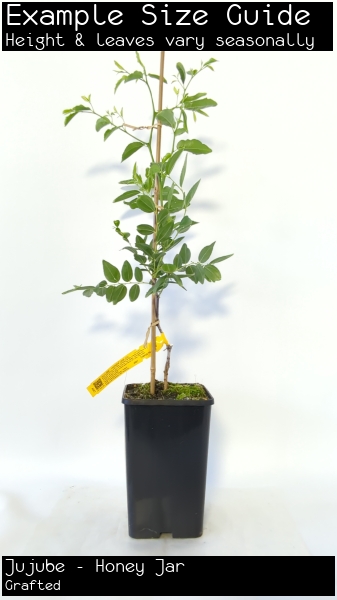
Buy 1+ @$99.00ea usually:$124.90ea
Special
Tagasaste - Tree lucerne
$4.90 ($4.90-$18.75 choose a size)
A valuable leguminous tree used for animal foliage, shelter and soil improvement. The high protein content of its foliage is excellent for animal fodder and at the same time improving soil fertility. Used extensively in permaculture as a multipurpose tree. Prefers well drained soil, but generally quiet hardy.


Click Choose above to view Specials
Special
Photinia Red Robin
$18.75 ($9.75-$19.75 choose a size)
Fast growing evergreen shrub, with a dense habit, that responds well to pruning. New foliage growth is brilliant red in colour, changing to bronze-green as the season progresses and maturing to be dark green. Showy white flowers appear in clusters to be followed by small berries. Ideal as a long lasting hedge, a focal point shrub/small tree, topiarised, or in pots on balconies and courtyards in courtyards.


Aramex Free Freight
Special
Lomandra hystrix - Mat Rush
$2.45 ($2.45-$4.90 choose a size)
This hardy Bushfood plant has arching strap-like leaves and yellow-green flower spikes in spring. Suited to wet soils and is ideal for use around water features. It prefers part shade though will tolerate full sun. It can also be used indoors and will accept a wide range of soils and climates. Useful for drainage swales and erosion control. Like its cousin Lomandra longifolia the base of the leaves make a tasty snack. Pull the leaves out from the base of the clump and chew the white fleshy base of them, they taste a little like sweet peas. The lusher the growing conditions, the better the taste. Flowers are high in nectar and can be soaked in water for a flavoured, refreshing drink. Mature seed can be ground into a flour to make a damper. The strap-like leaves make great weaving material too.

Buy 16+ @$2.45ea usually:$4.90ea
Special
Jujube - Silverhill
$99.00
An elongated fruit which is very sweet and the best for fresh eating. Very late season
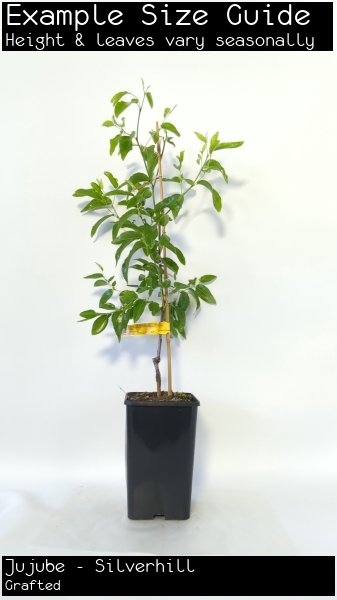
Buy 1+ @$99.00ea usually:$124.00ea
Special
Liquidambar
$14.75
A giant shade tree with magnificent maple-like leaves that turn brilliant shades of red, yellow and gold during autumn. Plant at least 10- 20 metres from buildings and powerlines. Reaches 15 -20 metres on maturity. Deciduous.
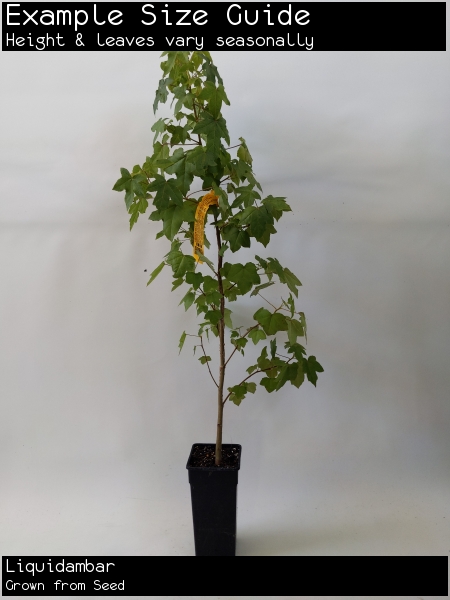
Buy 1+ @$14.75ea usually:$19.75ea
Special
Callistemon - Weeping
$2.90 ($2.90-$12.75 choose a size)
This callistemon is a very valuable tree for landscaping, as a screen plant, in erosion control or as a specimen or street tree. Bright scarlet red flowers appear in late spring and autumn and smaller numbers of flowers all year.

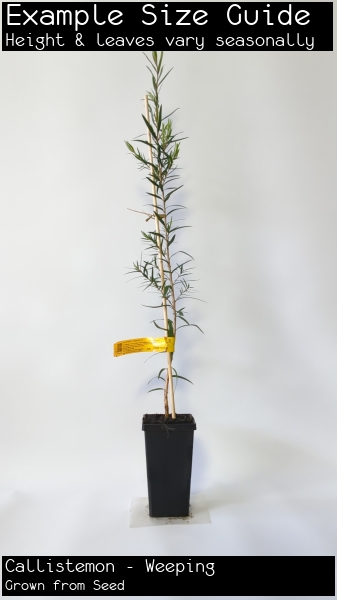

Buy 4+ @$2.90ea usually:$4.90ea
Pomegranate - Elche
$34.00
One of the most highly valued pomegranates in the world, thanks to its extraordinary flavour and high antioxidant, vitamin and mineral content. Elche comes from the Spanish city of the same name. Elche Pomegranates have to be picked at just the right time: Not too early because, once picked, pomegranates halt the ripening process immediately, and also not too late because they are then at risk of bursting.

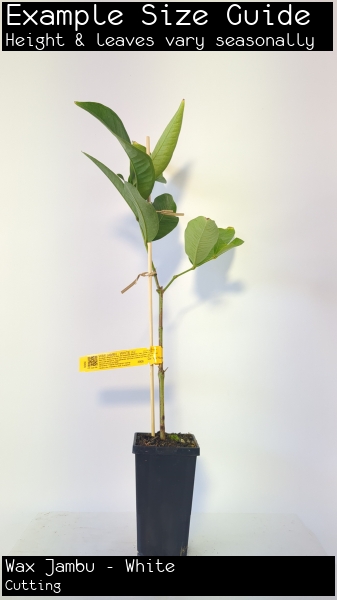
Wax Jambu - White
$39.00 ($39.00-$54.00 choose a size)
A popular selection in Asia, the sweetest selection. Very similar to the Red Wax Jambu however has white waxy skin and is sweeter, but it is much more cold sensitive. They generally don't have seeds but may on rare occasions, depending on pollination.

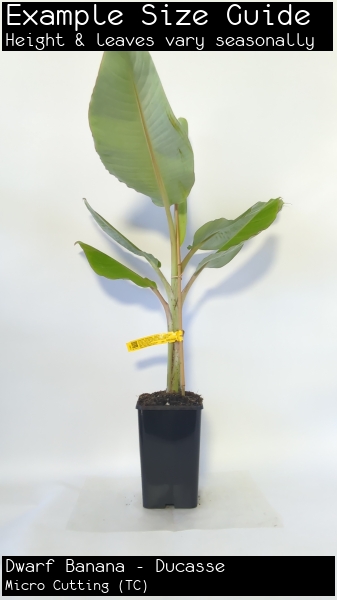
Dwarf Banana - Ducasse
$29.00 ($21.00-$59.00 choose a size)
Also known as Sugar Banana, this small fruited banana is a winner on taste and texture, with a sweet, fragrant flavour. They ripen to a bright yellow when they are at their creamiest. The tree itself is well suited to backyards, reaching a moderate height of 2-3m. it also displays some tolerance to cooler growing areas, though frost is to be avoided. Bananas can flower and fruit at any time of the year and add a tropical look to any garden----

Click Choose above to view Specials
Peanut Butter Tree
$21.00 ($19.75-$39.00 choose a size)
This attractive tree has clusters of yellow flowers that are followed by an abundance of dark red fruit to around 2.5cm long. The rich, sweet flesh has a texture similar to peanut butter. The fruit can be eaten fresh or made into milk shakes.


Click Choose above to view Specials
Curry Tree
$19.90 ($18.90-$19.90 choose a size)
Fresh leaves from this tree are an indispensable ingredient in Indian cooking. The leaves are pretty much unknown in the West because they lose most of their flavour when dried. They have a distinct, spicy curry-like flavour and odour.Warning: The seeds are poisonous and should not be eaten


Click Choose above to view Specials
Fig Black Genoa
$29.00 ($29.00-$99.00 choose a size)
A large fruit with purple skin and red flesh that has a very sweet rich flavour. Grown commercially due to its high yields it is also a popular selection for home gardeners. Also known as San Piero abroad.

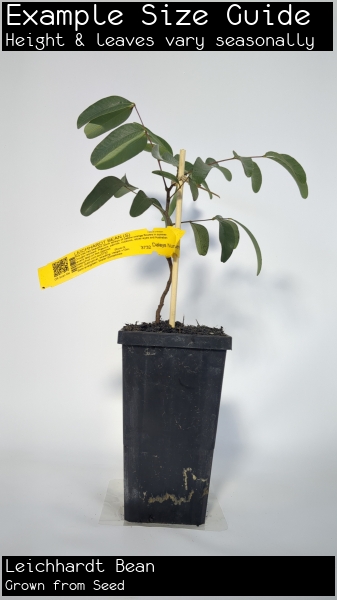
Leichhardt Bean
$18.75 ($17.90-$18.75 choose a size)
Rare native tree with beautiful 30cm sprays of yellow-orange flowers in summer. Drought resistant. Pigeons, parrots, cuckoos, silver eyes and Australian ravens feed on this species. Grows in coastal forests from Northern NSW to North Qld and ranges in height from 4 - 10+ m in height

Aramex Free Freight