









(1/1) Specials and Discounts and Multi Buy Fruit Trees and plants
Fruit Tree Discounts
Why are they Discounted?
These plants are healthy and ready to send now. We have an over supply of this product. We hope you enjoy these fruit tree discounts.
Discounts and Specials
Special
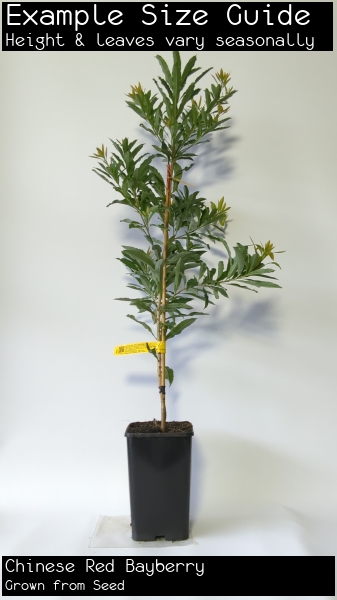
Chinese Red Bayberry
$89.00 ($59.00-$114.00 choose a size)
Fruit is typically a deep, brilliant red, but may vary from white to purple. Flesh colour is similar to outer colour, or somewhat lighter. Flesh is sweet and tart with berry flavours. Single seeded. Besides eating fresh, the fruits may be dried, canned, soaked in liquor. The bayberry is an evergreen dioecious tree with separate male and female plants. Our seedlings are not sexed and it is recommended to grow at least 3 to be assured of at least one female.

Buy 3+ @$89.00ea usually:$99.00ea
Special
Nangapire
$14.90 ($2.95-$14.90 choose a size)
A South American Eugenia, sweet tasty fruit similar to the Rio Grande Cherry. Self pollinating selection. Makes an attractive fruit bearing hedge.Weed warning: Nangapire is not listed as a weed in NSW or Qld but it has the potential to be spread by birds as it self seeds readily. Please net your plants


Buy 2+ @$14.90ea usually:$17.90ea
Special
Planter Bags - 4 Litre x 25
$19.50
Sold as a bundle of 25. These planter bags are an ideal size to move young growing trees into and are ideal for growing deep rooted plants. 30cm high x 15cm diameter, they are made from a durable plastic.

Buy 2+ @$19.50ea usually:$12.25ea
Special
Papaya - Yellow H13
$14.75
Yellow Fleshed Papaya. Vigorous and heavy cropping selection. Yellows purportedly do better in cooler climates than red varieties. Still with that great tropical papaya flavour. Partner with lime juice for a zesty refreshing snack. Dioecious variety- Male and Female Flowers on different plants. Plant multiple Papayas for fruit set in dioecious varieties.

Buy 2+ @$14.75ea usually:$19.75ea
Special
Dragon Fruit - Aussie Gold
$24.00 ($21.00-$24.00 choose a size)
Produces large fruit that are yellow in colour with white flesh. Unlike other yellow varieties, the Aussie Gold is a thornless Dragon Fruit. Excellent quality up to 1.5kg in weight. Good flavour and an attractive, easy to handle fruit. Does best with a pollinator. You could use the Pearl Dragonfruit as pollinator.

Buy 2+ @$24.00ea usually:$29.00ea
Special
Guava - Brazilian
$12.90 ($12.90-$14.75 choose a size)
Pear-shaped fruit, with yellow skin, thick, pale-yellowish flesh surrounding the white central pulp, excellent strawberry-like flavor. It contains numerous small, hard seeds and is quite firm even when fully ripe.


Buy 2+ @$12.90ea usually:$14.90ea
Special
Passionfruit - Panama Red Pandora
$15.75
An excellent selection that is vigorous and more tropical than the black. Fruit is red skinned, large and sweet with a superb flavour. Heavy cropping and self pollinating.

Buy 2+ @$15.75ea usually:$19.75ea
Special
Grevillea Silky Oak
$12.75 ($3.90-$12.75 choose a size)
Very fast growing slender tree with ferny foliage and bright yellow toothbrush flowers. Grows in a wide range of conditions including southern and inland areas. Good indoor plant.


Buy 2+ @$12.75ea usually:$17.75ea
Special
Guava - Mexican Cream
$12.90
Medium round fruit 50mm diameter. Skin light: yellow, slightly blushed with red. Flesh creamy white, thick, very sweet, fine-textured, excellent for dessert. Seed cavity small with relatively soft seeds. Tree upright.The foliage is delicate on young trees, and our potted plants are known for their older leaves to turn yellow and drop during transport to conserve energy. This is not a problem long term. With care and acclimatisation they will bounce back

Buy 4+ @$12.90ea usually:$18.90ea Aramex Free Freight
Special
Grumichama - Orange
$14.75
This fruit is the tropical equivalent of the cherry and just as difficult to resist. The fruit is borne in clusters and is delicious eaten fresh. The yellow form is almost identical to the dark form apart from the orange/ yellow coloured fruit.

Buy 2+ @$14.75ea usually:$19.90ea
Special
Lilly Pilly - Broad-leaved
$12.75
Cutting grown selection of the tasty and attractive Blue Lilly Pilly fruit. The delicate fruit is aromatic with a sweetish slightly gingery or turpentine flavour. Fruit is a distinctive blue colour.

Buy 2+ @$12.75ea usually:$18.75ea Aramex Free Freight
Special
Cinnamon Myrtle
$14.90 ($14.90-$14.90 choose a size)
The leaves have a pleasant spicy cinnamon-like aroma and flavour. The attractive flowers are creamy coloured and star shaped, produced en masse, followed by star-like capsules. The cinnamon myrtle is well suited to the home garden. The tree is adaptable to a broad range of conditions and different soil types. Cinnamon myrtle is suitable for full-sun and semi-shade situations, in open plantings or as a managed hedge. The tree is tolerant of light frosts. Leaves can be harvested as sprigs for use in cooking. Its used in savoury recipes, desserts, confectionery and herbal teas. Cinnamon myrtle can also be used in floristry.


Buy 2+ @$14.90ea usually:$19.90ea
Special
Papaya - Broad Leaf
$3.90 ($3.90-$17.90 choose a size)
Large, elongated red fruit with great flavour on a tree with large striking foliage, that gives a garden a tropical feel. Needs a warm frost free climate to thrive. Fruit appears to be resistant common fungal diseases that attack most papaya. It is reliably self pollinating

Buy 16+ @$3.90ea usually:$7.90ea
Special
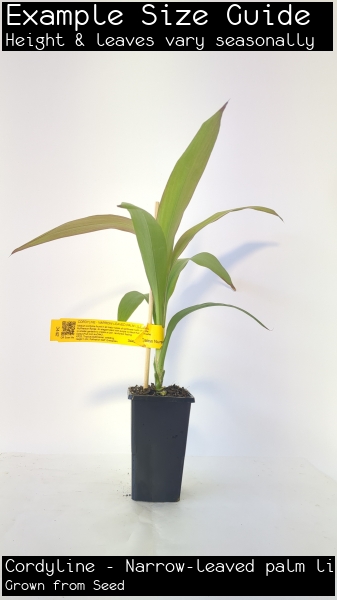
Cordyline - Narrow-leaved palm lily
$12.75
Medium cordyline found in all major types of rainforest north of to the McPherson Range. An elegant plant with purple to black fruit, well suited to smaller gardens to create a lush, rainforest feeling. It can grow in sun or shade, and in shallow or deep soils. Though it thrives in moist conditions, it is very drought tolerant; so an established plant should require little supplemental watering. Its tolerance of low light and water also make it an attractive and low-maintenance pot plant for indoors or outdoors.
Buy 4+ @$12.75ea usually:$17.75ea Aramex Free Freight
Special
Wax Jambu - Pink
$34.00
Fast growing tree, attractive pink pear shaped fruit that are crunchy and refreshing on a hot summers day. Grows and crops well here in the subtropics as long as they are protected from frosts when young. They generally don't have seeds but may on rare occasions, depending on pollination.

Buy 2+ @$34.00ea usually:$49.00ea
Special
Golden Shower
$19.00
This striking tree exhibits a magnificent display of pendulous racemes of clear yellow blossoms. Fern-like leaves and the tree produces long seed-pods after flowering. Needs very well drained soil, regular moisture and full sunlight.

Buy 2+ @$19.00ea usually:$24.00ea
Special
Goji Berry - Shrub
$14.75 ($14.75-$14.90 choose a size)
The Goji Berry is native to the Himalayas and inner Mongolia where it has been used for thousands of years. They have a juicy taste comparable to cranberries or tangy plums. The Goji Berry is a sprawling shrubby vine that lives for 5-8 years. The fruits are small and shiny red with oval berries about 1cm long with lots of small edible seeds in the center. Plants prefer a sheltered sunny spot with good drainage and respond well to pruning after fruiting which can help keep its sprawling habit under control. Lycium barbarum grows into a shrub 2.5m high and wide.


Buy 3+ @$14.75ea usually:$18.75ea Aramex Free Freight
Special
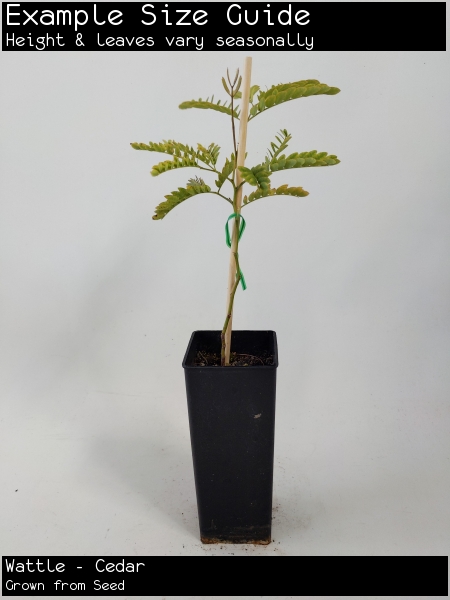
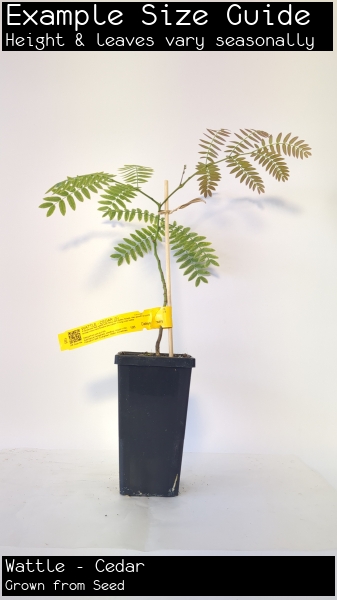
Wattle - Cedar
$14.75 ($9.90-$14.75 choose a size)
A handsome fast wattle with ferny dark green foliage. New growth is a pink bronze colour and flowers are cream. A long lived wattle.
Buy 2+ @$14.75ea usually:$18.75ea Aramex Free Freight
Special
Claret Ash
$39.00
A spectacular deciduous tree with foliage that begins to change from mid-green to a brilliant rich claret. Grafted onto a very drought resistant rootstock Fraxinus oxycarpa.

Buy 2+ @$39.00ea usually:$49.00ea
Special
Guava Yellow Cherry
$14.75
This is the mildest and probably the sweetest guava of all. Fruits are 3cm in diameter yellow skinned with a sweet, aromatic, creamy flesh and numerous small seeds. Begins bearing when less than 1 metres high. Prolific bearer.

Buy 2+ @$14.75ea usually:$19.90ea
Special
Pigeon Pea
$3.90 ($3.90-$9.90 choose a size)
A woody, fast growing leguminous shrub, to 3.6 m, with yellow and red flowers. It is hardy, widely adaptable and tolerant of temperatures as high as 35C. It can be killed by heavy frost. The seeds are 25% protein, can be eaten fresh or as split dried peas, are used for dhal in India, contain 5 times more Vitamin A and C than green peas. The leaves and young shoots can be eaten cooked, they are fibrous and have a strong spicy odour. Animal Fodder; an excellent feed for cattle, pigs and poultry. Green Manure; incorporate the plants as they flower. Mulch production; can be cut many times in a season. Windbreaks; suitable as a shelter belt around vegetable gardens and plants provide nitrogen, habitat and soil stabilisation. Permaculture - plant on west side of newly planted trees to provide wind and sun shelter and a ready source of mulch. Prune back to control growth and use as mulch on your young tree.


Buy 16+ @$3.90ea usually:$4.90ea
Special
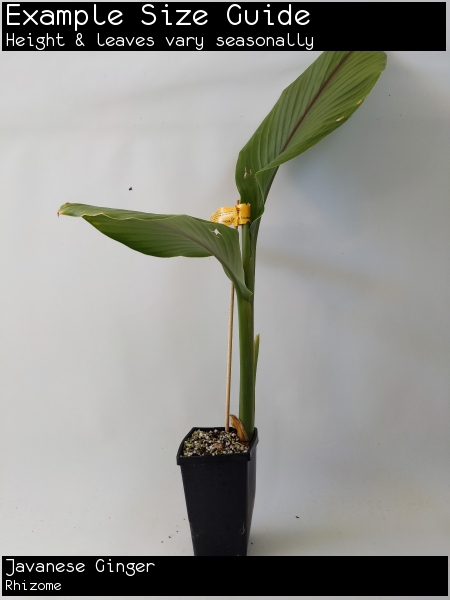
Javanese Ginger
$17.75
This species bears a striking similarity to Cape York Turmeric. It differs in that the flower bracts are a deeper pink/purple colour as is the dark strip that runs up the centre of the leaf. Often used medicinally, in Bali a delicious drink is made by cooking dried slices of rhizome in water with palm sugar.
Buy 2+ @$17.75ea usually:$24.90ea
Special
Melaleuca - Tea tree oil tree
$2.95 ($2.95-$14.75 choose a size)
This shrub has fine foliage and profuse white flowers appearing in spring/summer. Plants respond to pruning and can be grown as a hedge or screen. This species is grown for tea-tree oil extraction. 3m


Buy 4+ @$2.95ea usually:$4.95ea
Special
Pineapple - F180
$14.75
This selection is very sweet with low acidity. The pineapple makes a very attractive patio plant, which will reward you with fruit within 2 years. In the Bromeliad family it requires very well drained potting mix and a sunny warm position, otherwise very hardy.

Buy 2+ @$14.75ea usually:$19.95ea
Special
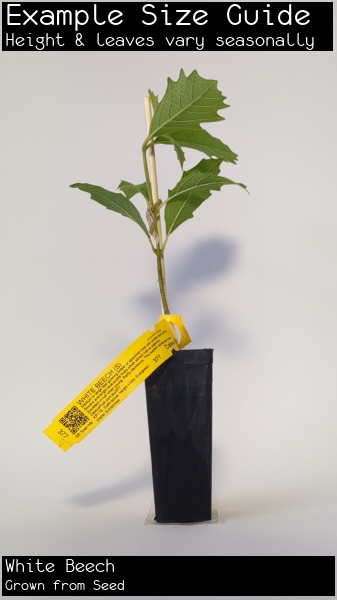
White Beech
$14.75 ($3.90-$14.75 choose a size)
Medium to large fast growing timber or specimen tree with purple and white flowers and bright blue-purple fruits which attract native pigeons. Excellent in tub when young. Partly deciduous. This superb rainforest tree is difficult to germinate, so supply can vary
Buy 2+ @$14.75ea usually:$17.90ea
Special
Papaya - Sunrise Solo
$3.90
Sunrise Solo is a pink fleshed bisexual papaya. It is the most commonly grown papaya worldwide. The fruit is small, pear shaped with a very sweet, musky flavour. They grow true to type and you can use the seeds to re grow them, as long as they are not cross pollinated with other papayas.
Buy 16+ @$3.90ea usually:$7.90ea
Special
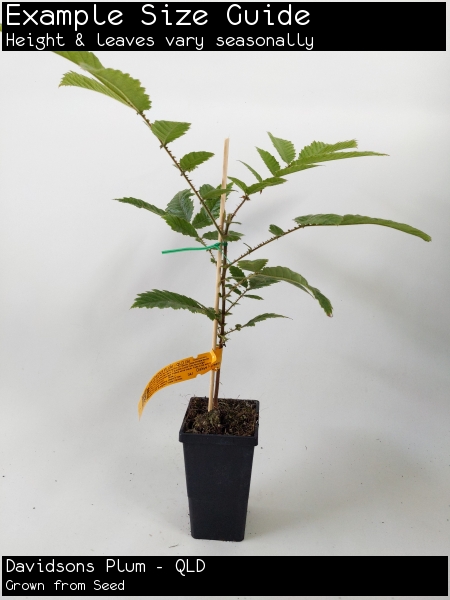
Davidsons Plum - QLD
$14.75
Outstanding small tree for warm position or indoors. Large pinnate leaves make it a striking specimen plant. The edible purple fruits have bright red flesh and make excellent jam. Prefers some shade. Fruits in the autumn and winter. The plum-sized fruit hang from the crown in panicles. Native to North QLD and SE QLD rainforests.
Buy 2+ @$14.75ea usually:$19.75ea
Special
Dwarf Jaboticaba - Costada
$21.00
A beautiful, ornamental tree that produces tasty, sweet fruit. Extremely rare. Is known to fruit in two years in the tropics and perfect for pots. Growing in temperate areas is experimental.

Buy 2+ @$21.00ea usually:$29.00ea
Special
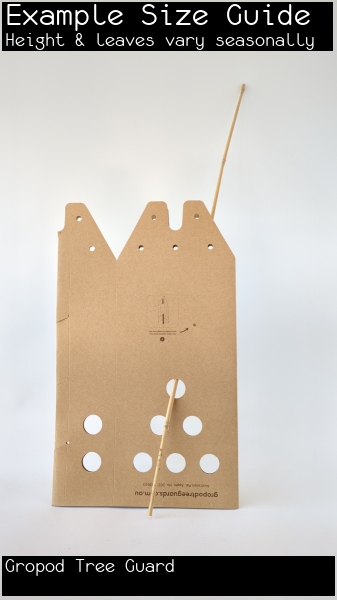
Gropod Tree Guard
$3.90
Innovative, all-in-one plant guard, combines effective weed protection with smart design to enhance seedling survival rates. 2 stakes support this firm, longlasting cardboard guard. Field life of up to 2 years, and can then biodegrade in situ. Protects your plant from critters, frost, spraying and weed overgrowth. Locally designed in the Northern Rivers of NSW.Built to streamline tree planting projects, it reduces both establishment and maintenance costs - making it simpler and more efficient to regenerate thriving landscapes.
Buy 10+ @$3.90ea usually:$4.95ea
Special
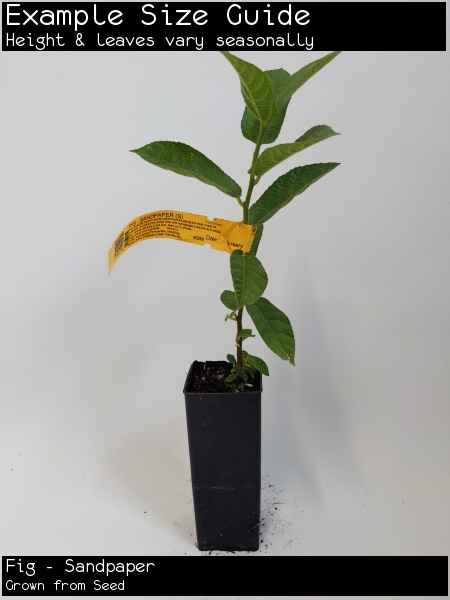
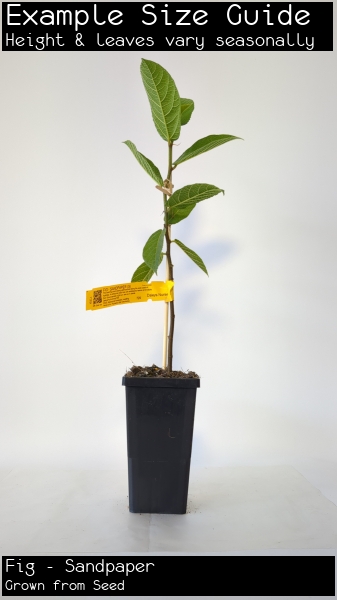
Fig - Sandpaper
$14.75 ($12.90-$14.75 choose a size)
This small fig occurs along watercourses along the east coast of Australia. An attractive small tree with sandpapery leaves and edible fruit. Grows densely in full sun, less so in shade. Very good for stream bank stabilisation.
Buy 4+ @$14.75ea usually:$18.75ea Aramex Free Freight
Special
Guava - Malay Red
$14.75
Burgundy skin with reddish pink flesh and smooth, delicious Guava flavour. Fruit is medium sized to about 6-8cm, the tree backyard sized with attractive burgundy red foliage and pink flowers. Great for eating fresh, but needs protection from fruit fly and birds, which may spread the seed to create weed trees. A new product to Daleys, so may be some time before we have good supply.
Buy 3+ @$14.75ea usually:$19.75ea Aramex Free Freight
Special
Davidson Plum NSW
$12.90
An outstanding small tree that prefers warm conditions and some shade. The sour purple fruits have bright red flesh that makes excellent jam. Davidsonia jerseyana is the southern form, it fruits in the summer months and is generally a smaller plant than the northern Davidsonia pruriens. The fruit form on the trunk of the tree and it is striking in full fruit.

Buy 4+ @$12.90ea usually:$19.90ea
Special
Jaboticaba
$12.90 ($12.90-$19.75 choose a size)
The jaboticabas habit of producing the fruit directly on the trunk makes this a striking tree. Fruit is similar to a grape with a sweet and aromatic flavour. The new growth is a coppery colour along with their beautiful honey scented flowers makes it a very ornamental tree. Bears heavy crops of quality fruit that can be eaten fresh from the tree. Often fruiting up to 3 times per year. Time from flowering to fruit being ready to eat is only 30 days. More Information: California Rare Fruit Growers Association.


Buy 2+ @$12.90ea usually:$23.90ea
Special
Papaya - Red RB4 Hybrid
$14.75
Red-pink fleshed variety. These hybrid trees are bisexual so self-fruitful, however, plant two or more to increase yield. Papaya is a highly nutritious food source that is delicious, quick and easy to grow. Plant in a warm, sunny location and regularly feed. Good drainage is required as papaya do not like wet feet. Plant in raised beds, on a slope or directly in free draining soil. Protect your fruits from birds and bats when they are close to ripening. They can be picked a little early to ripen off the tree. Enjoy growing your awesome Papayas!

Buy 2+ @$14.75ea usually:$19.75ea
Special
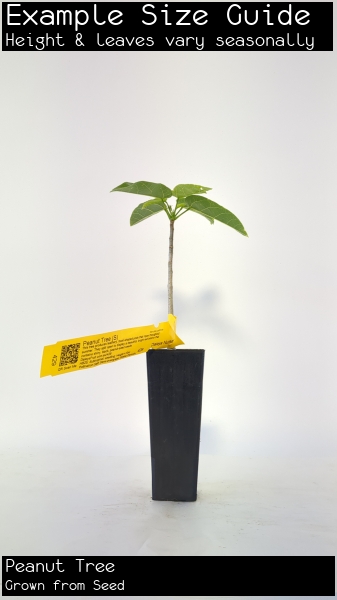
Peanut Tree
$3.40
This tree produces leathery, boat-shaped pods that ripen throughout summer. They split open to display a beautiful, bright red interior that contains shiny, black, peanut-sized seeds which have a delicious, nutty flavour. It is a fast growing highly ornamental rainforest tree. Indigenous Australians ate the nuts both raw and roasted and used the fibrous bark to make nets.
Buy 4+ @$3.40ea usually:$4.90ea
Special
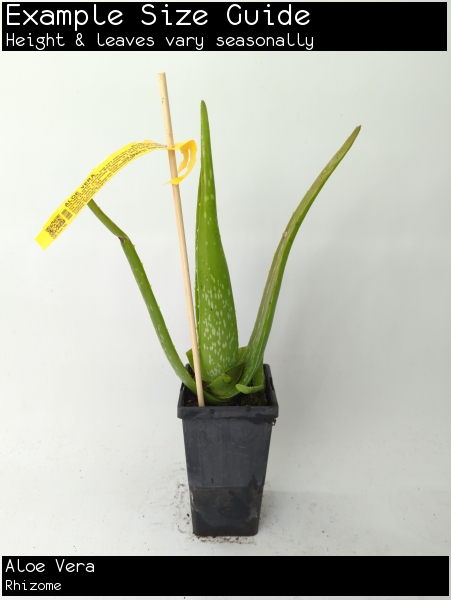
Aloe Vera
$12.75 ($12.75-$12.75 choose a size)
The healing powers of the Aloe Vera plant have been known throughout the civilised world for centuries. While considered by many to be a member of the cactus family it is actually a member of a family related to asparagus along with onion and garlic.It is a perennial herb with thick, succulent, pointed, basal leaves. The leaves are a grey-green to reddish colour and are sometimes spotted. The margins are slightly pink with pale teeth; flowers orange in terminal, elongated clusters.Currently known as Aloe barbadensis it is now agreed that Aloe vera can take precedence. That's much easier for us to remember and the vera distinguishes the more popular garden aloe from that of the A. maculata which is a much larger and more vigorous plant that has become naturalised in the eastern and southern parts of the continent.

Buy 2+ @$12.75ea usually:$19.75ea
Special
Exclusion Net - 6m x 6m
$54.00
This strong net is ideal for covering most fruit trees and vegetable gardens. It is also called Bee netting, as it is used to exclude Bees from pollinating fruit trees that need to be kept seedless. It is UV stabilised and it will last years if stored after each seasons fruit protection. It is a 50gsm weave. This net can easily be cut into smaller nets if desired. Width is 6m and can also cut to a specified length in multiples of 6m only: eg 6x12m, or 6x18m up to a maximum of 6x30m. We highly recommended this for the exclusion of insects, birds and especially Fruit Fly. Fruit Fly females are large being 8mm long and sting fruit to lay their eggs only a few weeks before ripening. They shouldn't be confused with the smaller 'vinegar fly' which only attacks overripe and fallen fruit and are very hard to exclude even with 2mm netting.
Buy 2+ @$54.00ea usually:$59.00ea
Special
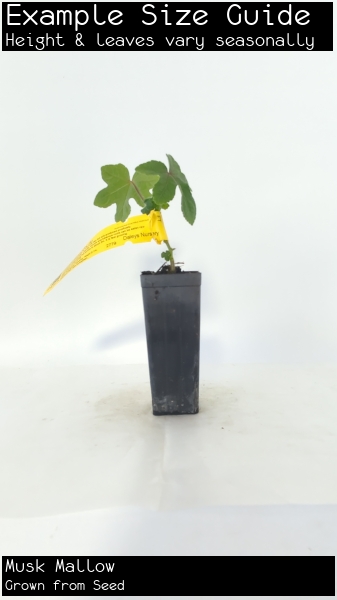
Musk Mallow
$2.90
Stunning red flowers last for only one day but are produced prolifically. Seeds are musk scented. Leaves, shoots and tuberous roots can be eaten raw or cooked. A small shrub that grows to about 2m. It is fast growing. Musk Mallow is not long lived, usually less than 15 years. Very Drought tolerant. This is native to northern Australian coastal regions
Buy 4+ @$2.90ea usually:$4.90ea
Special
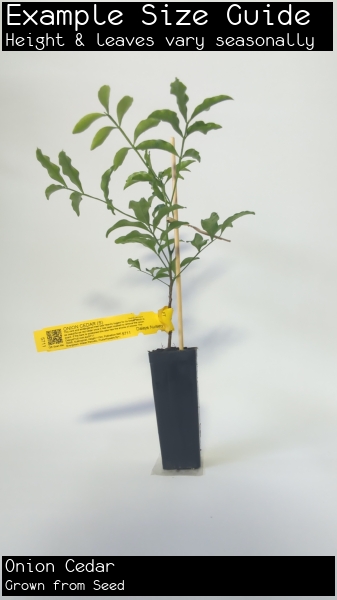
Onion Cedar
$3.95
This rare and endangered tree was heavily logged for its timber which is as beautiful as red cedar once it has been soaked to remove the onion scent. If the bark is scratched this also has the aroma of onions. The bright pinkish red fruits attract the beautiful Wompoo and Rose crowned fruit doves, the fruits also smell of onions. The tree is large and attractive and is found in the edges of sub tropical rain forests and in the areas where the rainforest meets the eucalypt forests of northern NSW and southern Queensland. Trees will grow best in well drained rich soil.
Buy 4+ @$3.95ea usually:$4.90ea
Special
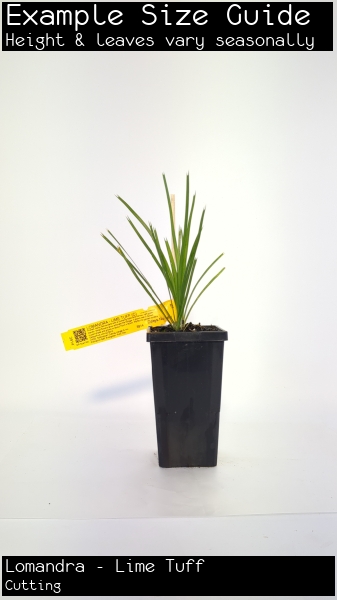
Lomandra - Lime Tuff
$9.90
A small, hardy native plant with a clumping habit and narrow, light green leaves. Small flowers grow amongst the foliage. It grows well in full sun to part shade and grows to about 70cm x 60cm. Perfect for garden borders and rockeries. A hardy and very adaptable plant, and thrives with minimum care. Does well in most soils types, drought, salt and frost tolerant.
Buy 4+ @$9.90ea usually:$14.90ea
Special
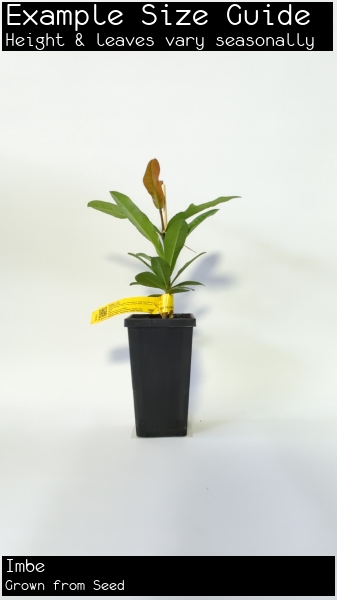
Imbe
$17.90
Originating in Africa, this tree bears a small plum like fruit bright orange in colour. A thin layer of acid-sweet, watery pulp surrounds the seed. The rather tender skin tends to prevent packing and shipping of the fruit, but it deserves to be more widely cultivated as a home fruit. Hardy to most conditions. Dark green leathery leaves and ornamental structure make it appealing as an interesting and edible landscape plant. Grows to a bush or small tree to 4-6 m. Imbes have good salt tolerance and are also wind tolerant. Trees are dioecious, so one each of a male and female are needed for pollination and fruit set. Plant a minimum of 3 seedlings to increase the chances of having one of each. Isolated female trees will set a few small fruit parthenocarpically but the quality and size is always better with a male pollinator.
Buy 4+ @$17.90ea usually:$21.00ea
Special
Cordyline - Red fruited Palm Lily
$2.95
This is smaller and less bushy than other Palm Lilies, so is ideal for mixing with other plants. Flowers in late spring, grows to 2-3m, and has short, broad leaves with shiny, red berries.

Buy 4+ @$2.95ea usually:$4.90ea
Special
Creeping Myoporum
$9.90
This hardy native has pretty pink or white star shaped flowers from late spring to early autumn. It is an excellent, spreading groundcover for a sunny position and is hardy in a range of soils and climates.

Buy 2+ @$9.90ea usually:$12.90ea
Special
Wattle - Black
$9.75
This fast growing wattle has inconspicuous cream ball shaped flowers occuring in spring. A very hardy shade or shelter tree. Tolerant of most growing conditions. Good timber tree.

Buy 4+ @$9.75ea usually:$18.75ea Aramex Free Freight
Special
Banksia - Coastal
$2.95
This bush has large dull-green leaves that are white underneath. Flowers are yellow with thick dense spikes and strongly scented. Performs well on poorly drained sandy sites.

Buy 4+ @$2.95ea usually:$4.90ea
Special
Galangal
$12.90
Galangal is a fantastic member of the ginger family. The plant has striking orchid-like blooms and is often found in subtropical and tropical gardens. The knobby root has a delicious exotic taste with a touch of pepper and ginger. Best known as Thai Ginger, Galangal is similar to ginger in appearance, but not in flavor or texture. There are two primary types, Greater and Lesser. Indian and Thai Curries make primary use of Galangal and it is a prime ingredient of the popular Bitters used in mixed drinks. Use ground Galangal with other spices such as Cumin, Coriander, and Thai chillies to season almost any food including soups, sauces, meats and fish, legumes, and dry seasoning blends. Shoots, flower buds & flowers can be eaten cooked, shoots are quite hot when raw.

Buy 2+ @$12.90ea usually:$14.90ea
Special
Little Kurrajong
$2.95
This is a very beautiful plant with bright clusters of pink/red flowers, 4-5cm across which appear just before new leaves.. Both flowers and new shoots are softly hairy. It adapts well to drought, seldom over 5m tall. The seeds are edible and tasty, once the irritating hairs on them are scorched off and then seeds roasted. They have a nutty corn-like flavour. Other parts of the tree can also be eaten including roots, sap and flowers.

Buy 4+ @$2.95ea usually:$4.95ea
Special
Banksia - Swamp
$3.40
An upright shrub with large serrated leaves bearing large yellow-green brush type flowers. Performs well in open sunny positions with damp soil. Attracts nectar feeding birds.

Buy 4+ @$3.40ea usually:$4.90ea
Special
Red Ash
$9.75
This tree is a natural colonizer in a wide range of conditions. Fruits are round and black and the mealy flesh encloses two hard capsules. These usually fall, leaving red seeds attached to the twigs for months.
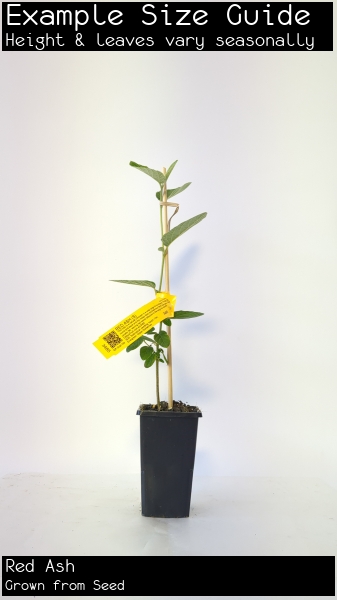
Buy 3+ @$9.75ea usually:$17.75ea Aramex Free Freight
Special
Dwarf Banana - Lady Finger
$17.90
A small version of the popular Lady Finger Banana. Expect plants from 3.5 to 4m high. Sweet and tangy, the Lady finger is a good sized fruit with a thin skin.
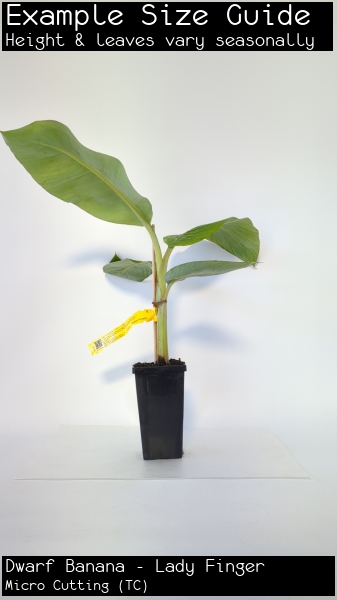
Buy 2+ @$17.90ea usually:$19.90ea
Special
Wampee
$14.75
This subtropical fruit tree is native to China where the fruit is highly regarded. The yellow skinned fruit grows in grape-like clusters. The flesh is slightly acid and pleasantly aromatic. Seedling selection of the popular Guy Sam variety.

Buy 2+ @$14.75ea usually:$19.90ea
Special
Callistemon Willow Bottlebrush
$2.95
This small tree has attractive narrow foliage and white papery bark. The flower-spikes are generally white or greenish but pink, red and mauve forms can be found. An excellent garden and street tree.

Buy 4+ @$2.95ea usually:$4.90ea
Special
Pepino - Kendall Gold
$14.90
Small bush rarely above 1 m tall with yellow fruit stripped purple up to 10cm. Flavour is like a juicy rock melon. Only pick fragrant, slightly soft fruit which are ripe.

Buy 4+ @$14.90ea usually:$19.90ea
Special
Lilly Pilly - Aussie Compact
$12.90
Native with non-invasive roots. Perfect hedging screen. Excellent for topiary. Foliage is compact, neat and glossy green through to bronze new growth. Grows to 3 metres high x 1.5 metres wide.

Buy 2+ @$12.90ea usually:$14.75ea
Special
Irrigation T Piece Barbed Connector 5mm
$0.80
This T connector allows you to add Sprinklers using the 5mm Flex tube. Use as many of these connectors as you like. Each connector allows you to add 1 extra sprinkler. 0 T connectors = 1 sprinkler, 1 T connector = 2 sprinklers... 10 T connectors = 11 sprinklers. This is a great solution when you have lots of plants grouped together within a 5m area. You run your 12mm flex tube for distances of 10m+ and then you come off this into 5mm tube which connects directly to your sprinkler heads. These T connectors allow you to daisy chain as many sprinklers together as you like.
Buy 5+ @$0.80ea usually:$0.90ea
Special
Callistemon - Weeping
$2.90
This callistemon is a very valuable tree for landscaping, as a screen plant, in erosion control or as a specimen or street tree. Bright scarlet red flowers appear in late spring and autumn and smaller numbers of flowers all year.

Buy 4+ @$2.90ea usually:$4.90ea
Special
Vetiver Grass - Monto
$12.90
A non-invasive clumping type grass that does not produce viable seed. Excellent for erosion control as it produces a massive root system that grows straight down rather than out from the plant. It creates a sort of curtain beneath the soil, trapping sediment and slowing down the movement of water. Because the grass grows down instead of outward, it does not become invasive. The roots are very deep, so its best to decide carefully where to plant it because it is very hard to dig up. Watch this Youtube to show a great idea of hedging Vetiver and using it as mulch.

Buy 2+ @$12.90ea usually:$19.75ea
Special
Hibiscus - Cranberry
$9.90
A very nutritious vegetable. The young leaves have a pleasantly tart flavour, and eaten either raw or cooked, they retain their colour. The leaves contain oxalic acid, and should only be eaten once a week. Unlike Aibika, it is not particularly mucilaginous. Flowers are used to make teas or other drinks where they contribute colour rather than taste. In Central America the flowers are combined with ice, sugar, lemon, or lime juice and water to make a purple lemonade.This plant is a short-lived perennial shrub in the subtropics and tropics but can be grown as an annual in cooler climates. It grows rapidly to 1.7 m high with deeply cut leaves similar to Japanese maple. The leaf colour of deep cranberry red is highly ornamental; the flowers are a small, very pretty, rose-pink hibiscus-type. Cranberry hibiscus is a hardy plant that thrives when it is warm and wet; it prefers full sun but will grow in partial shade. It needs ample water, rich, fertile, well-drained soil that is kept mulched and a pH of between 6.1 and 6.5.The vivid leaf colour makes this a good choice as a background plant in ornamental beds.

Buy 2+ @$9.90ea usually:$14.90ea
Special
Jiaogulan
$14.75
A climbing vine native to China and south east Asia. Grow as an annual and harvest in the summer. The name Jiaogulan is Chinese for twisting vine orchid. The leaves are edible and can be used as a vegetable or in teas, where they have a slightly bittersweet flavour. Plants are dioecious, meaning they are either male or female and one of each will be required for seed set. It is recommended to buy 3 to increase chances of a female if you would like to collect seed/fruit
Buy 3+ @$14.75ea usually:$19.75ea Aramex Free Freight
Special
Tahitian Spinach
$12.90
This particular Taro was developed for its yield of edible leaves and stems rather than its roots. The leaves and leaf stems are eaten as a cooked, green vegetable. This plant has a Weed Warning. Weed Warning: Tahitian Spinach is prone to producing a multitude of small bulbils that, if disturbed, can spread rapidly. It tends to be hard to clear out of an area because of the sheer numbers of these small bulbils. So it is best planted off in a corner or in a large pot, where it can be left undisturbed. The stems are widely used as a celery substitute in tropical areas. They provide protein, calcium, phosphorus, iron, potassium and vitamins A, B, and C. The leaves can be harvested all year round. No Taro should ever be eaten raw, due to the presence of harmful oxalates, which are eliminated with cooking.
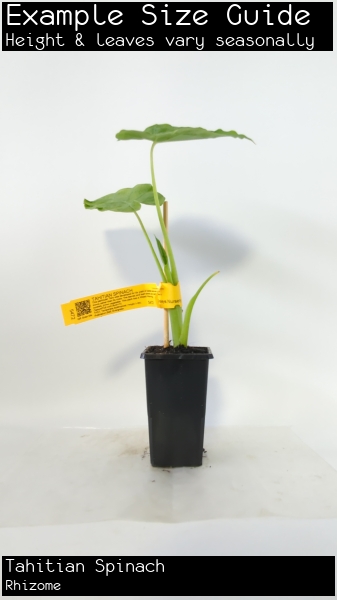
Buy 4+ @$12.90ea usually:$17.90ea Aramex Free Freight
Special
Banana Bunch Cover
$3.90
Protect your banana bunches with these covers. They are strong and UV durable. Slip over the bunch as soon as the flowers have stopped setting viable bananas. Tie around the fruiting stem above the bunch. Remove the flower head of the stem to divert energy into fruit growth. In 3-6 months you will have your own harvest of delicious home grown bananas. Please Note: Colour will vary due to availability, as this does not alter the function of the bag. Commercial farmers use the different colours to signify when a patch was bagged and should be ready for harvest.

Buy 4+ @$3.90ea usually:$5.00ea
Special
End Stop Terminator 12mm
$1.00
When running your main irrigation flex tubing which is the thicker 12mm size. At the end of this tubing you need to use one of these end stop terminators. This ensures that no water escapes.
Buy 3+ @$1.00ea usually:$1.20ea
Special
Atherton Oak
$12.75
A highly attractive tree native to the highlands of Far North Qld and up to Cape Tribulation. The blue fruits are up to 4cm long and contain a woody-shelled nut with a large, crunchy edible kernel. Ripe in spring. It is hardy outside of its natural range and will grow well in subtropical gardens that have enough space for a large, attractive specimen tree. A great canopy tree for Food Forest gardens

Buy 3+ @$12.75ea usually:$19.75ea
Special
Jakfruit - Malay
$19.75
This variety was sourced from a superior Malaysian variety. It has proved to fruit early from Seed and is fruiting well here in Kyogle. The orange arils are crisp with an outstanding sweet aromatic flavour. One of the best Jaks we have grown here in Kyogle.
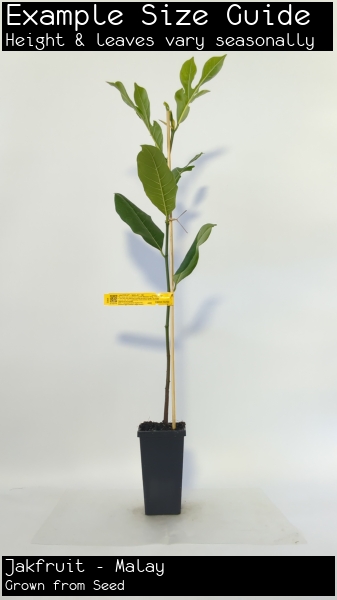
Buy 2+ @$19.75ea usually:$24.00ea
Special
Brown Silky Oak
$9.90
Rainforest tree native to North QLD. Very bushy and attractive tree with large glossy leaves and fragrant, nectar-rich, creamy-white flowers.

Buy 2+ @$9.90ea usually:$14.90ea
Special
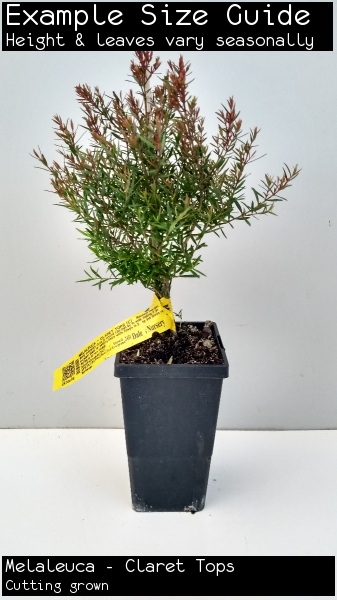
Melaleuca - Claret Tops
$12.90
Bushy evergreen shrub to around 1.5m high by 1m wide, making it an excellent shape for hedging.Bears white flowers in Spring and shows red flushes in its new foliage.
Buy 2+ @$12.90ea usually:$14.90ea
Special
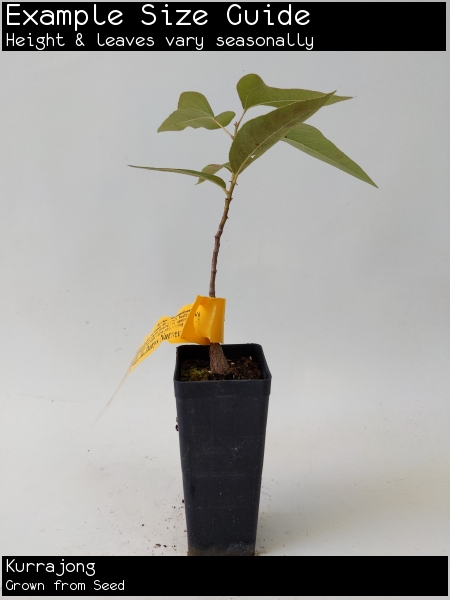
Kurrajong
$3.90 ($3.90-$12.75 choose a size)
Seeds can be eaten after roasting or ground into a flour. The tuberous root is nutritious with an agreeable taste. A hardy tree for drier sites frequently grown for shade or stock fodder and as street trees in inland towns. Trees have a straight stout trunk and produce cream flowers in spring. Indigenous Australians used the bark fibres to make rope and string, the wood was used for fire sticks. A common tree in drier rainforests of the east coast.

Buy 4+ @$3.90ea usually:$4.90ea
Special
Ginger - Cassumunar
$14.90
Ginger plant to 2m with yellow rhizome used in cooking as a spice and as a traditional medicine in SE Asia. Flowers are distinctive, large, maroon-brown bracts arising from the base in summer, with cream flowers emerging between the bracts in a pretty display. Known as Plai in Thailand and scientific name was previously known as Zingiber montanum. Flavourful and is strong and aromatic

Buy 2+ @$14.90ea usually:$17.90ea
Special
Callistemon - Wild Fire
$9.90
A spectacular rounded shrub with narrow leaves and prolific red flowers. Most well drained soils with some frost protection. Beautiful soft green weeping foliage with spectacular bright red bottlebrush flowers.

Buy 2+ @$9.90ea usually:$14.90ea
Special
Melaleuca - Snow in Summer
$3.40
Paper-barked tree, with dense and rounded crown of dull green leaves. White flowers in fluffy spikes from February to July.

Buy 4+ @$3.40ea usually:$4.90ea
Special
Longan - Seedling
$14.75
A close relative to the Lychee tree but much larger, stronger and more cold tolerant. The fruit is deliciously sweet. Seed selected from the superior varieties. Even though not true to type the benefits include a vigorous tree making it more suitable for marginal climates. Cincturing at about 3-4 years of age can force earlier fruiting than normally expected from seedling trees.

Buy 2+ @$14.75ea usually:$19.75ea
Special
Callistemon - Kings Park Special
$9.90
Features narrow green leaves and deep red bottle-brush flowers that are grouped together in bunches, making a spectacular display in spring and autumn. Kings Park Special is one of the larger Callistemons, so it is great for a tall screen or feature tree. Like all callistemons, it is hardy and bird attracting.

Buy 2+ @$9.90ea usually:$14.90ea
Special
Lomandra longifolia - Mat Rush
$2.40
Extremely versatile and hardy bush tucker plants that will grow almost anywhere. An important stabilizing plant for stream banks, as well as a useful ornamental grass in native gardens. Pull the leaves out from the base of the clump and chew the white fleshy base of them, they taste a little like sweet peas. The lusher the growing conditions, the better the taste. Flowers are high in nectar and can be soaked in water for a flavoured, refreshing drink. Mature seed can be ground into a flour to make a damper. The strap-like leaves make great weaving material too.

Buy 16+ @$2.40ea usually:$4.90ea
Special
Chinese Water Chestnut
$7.90
This popular Asian cooking ingredient is a tropical member of the sedge family. These nutritious underground corms reaching up to 4cm in diameter have an appealing crisp nut like texture. They can be cooked as a vegetable offering a contrasting texture to many dishes or they can deliver their sweetness and juiciness prepared fresh and raw or lightly steamed or sauteed for salads Water chestnuts can be grown in a pond of a container, an old bathtub or a salvaged water tank cut in half are ideal options. Plant the corms in spring, about 5cm deep into friable soil preferably rich in organic matter and course sand. Keep the plants moist until the shoots are about 10cm tall, then fill the container up with water until it's about 10cm deep, with the tips of the leaves just showing. Leave the container flooded at that depth for about 6-7 months, then drain off the water in late autumn. Leave the soil moist but not wet for another month or so until the shoots die down, then harvest the water chestnuts. Water chestnuts will grow in most areas of Australia, but they are frost tender and require at least an 8-month frost-free growing season. A single corm is said to be able to produce 100 corms within a growing season!

Buy 4+ @$7.90ea usually:$12.90ea
Special
Lemongrass - East Indian
$9.90
Aromatic, tall, clump forming lemon scented grass, native to east India. It is a source of the essential oil for perfumery, culinary and medicinal purposes. It likes high rainfall and warm temperatures, and is not frost tolerant. It is more tropical than its cousin Cymbopogon citratus, with thicker, tougher leaves also. In agroforestry, it is well suited as a living mulch and can be cut regularly in the growing season. Vigorous, it can help contain running weeds from spreading when planted as a border. This plant does produce viable seed, so take care that this does not spread into native bushland or pasture

Buy 4+ @$9.90ea usually:$14.90ea
Special
Red Cedar
$3.40
Fast growing deciduous rainforest tree highly valued for its timber in earlier days. Has now become rare. Easily grown on moist soils of eastern Australia.

Buy 4+ @$3.40ea usually:$4.90ea
Special
Basil - Perennial
$14.75
Perennial Basil is a vigorous and bushy plant growing all year round in frost free areas. It is a fast growing bee attracting herb with a spicy flavour. The leaves have a stronger taste then regular basil.

Buy 2+ @$14.75ea usually:$18.75ea Aramex Free Freight
Special
Callistemon - Crimson
$3.40
This hardy shrub is probably the best known bottlebrush and is widely cultivated. The bright red flower-spikes appear in summer and autumn. Grows well in wet conditions. Plants should be lightly pruned and fertilised after flowering. 4m

Buy 4+ @$3.40ea usually:$4.90ea
Special
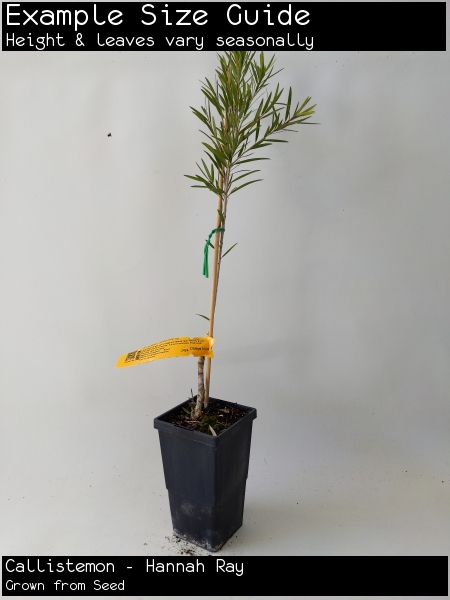
Callistemon - Hannah Ray
$12.90
A large shrub with grey woolly foliage and weeping habit. Pink new growth. Red brushes in spring and summer. Full sun in moist soils. Frost tender while young. Hardy and popular.
Buy 2+ @$12.90ea usually:$14.90ea
Special
Berry - Youngberry
$14.90
Vigorous, trailing bramble with sweet, juicy, black-purple berries in Summer.

Buy 2+ @$14.90ea usually:$19.90ea
Special
Brahmi
$5.95
Brahmi is native to India and is now endemic to many parts of the world, including Australia and prefers warm, wet soils in a protected, partially shaded position. Drought and frost tender. Perennial ground cover growing to 20-40cm. Eat fresh, or dry and brew into a herbal tea. Also called memory herb and water hyssop.

Buy 4+ @$5.95ea usually:$7.75ea
Special
Brush box
$3.90
These trees resemble a eucalypt in appearance but the large green leaves and flowers are distinctive. It has the largest trunk diameter of most rainforest trees. The showy flowers have showy white petals. Fruit is bell-shaped with three valves. Australian Timber Database

Buy 4+ @$3.90ea usually:$4.90ea
Special
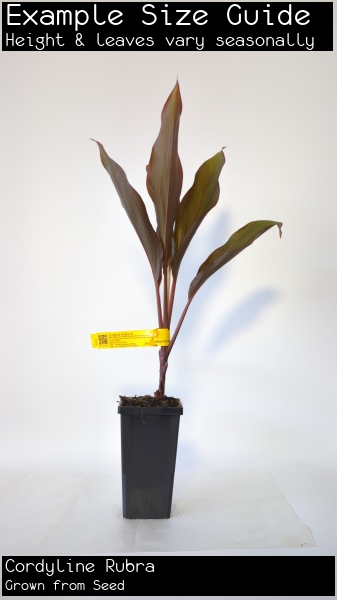
Cordyline Rubra
$14.75
Bright,attractive 2m plant that will add vibrant year-round colour to your sub-tropical garden. Hot pink and purple stripes make a stunning and colourful feature.
Buy 2+ @$14.75ea usually:$19.90ea
Special
Oriental Plane tree
$14.75
A magnificent large tree with deeply divided finger-like lobed leaves. The bark is attractively dappled and flaking. Can withstand some drought conditions. Deciduous.
Buy 2+ @$14.75ea usually:$21.90ea
Special
Echinacea ( Purple Cone Flower )
$5.95
Echinacea is an important medicinal herb to have in your garden. Not only is it a pleasure to grow, its uses are limitless. The roots of Echinacea are said to stimulate the immune system and promote healing. Itsmost common use is to ward off the onset of the common cold and to alleviate the effects of a sore throat.As this is an herbaceous perennial, it will be non existant above the ground for winter.Echinacea flowers through spring, summer and autumn dieing down over winter then rise again in early spring.The root may be harvested when the plant is about 2-3 years old depending on how well you have looked after the plant.Echinacea will self seed or spread from underground roots.Plant out in an area that you wish to leave them undisturbed for many years. Water and mulch well but take care not to disturb the roots too much. Plant in full sun to partial shade.
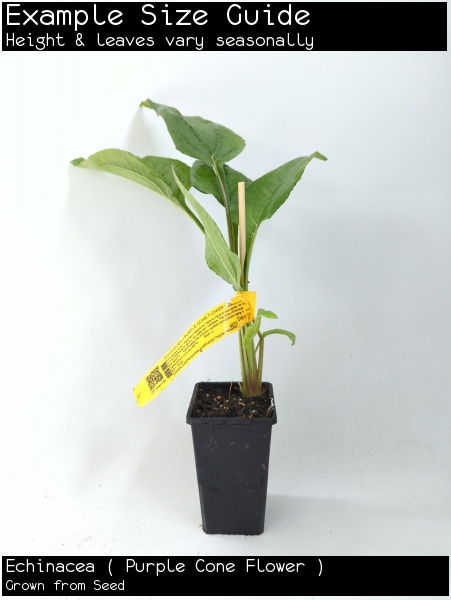
Buy 4+ @$5.95ea usually:$7.75ea
Special
Dragon Fruit - Purple Haze
$21.00
Red skin and firm, vibrant electric magenta coloured flesh with outstanding flavour. Cross pollinate with Pink Pearl for good fruit set. Fine seeds similar to those of kiwi. Fruits can weigh up to 1kg.

Buy 2+ @$21.00ea usually:$32.95ea
Special
Eucalyptus - River Red Gum
$2.95
Iconic Red Gum, growing along inland rivers. Provides habitat and food for a wide variety of keystone species - mammals, bird and insects. Handsome, spreading and extremely long lived tree with smooth cream bark, often with brown, pink and grey strips with a short skirt of persistent bark. It has a widespread distribution along the Murray Darling river system, preferring clay soil and they are crucial in regulating water tables. They thrive when subjected to routine flooding, and suffer when this is removed. Limbs are known to fall without warning so should be planted away from habitation. Hollow bearing so a very important tree for hollow dependent nesting wildlife. Wood is tough and termite resistant.

Buy 4+ @$2.95ea usually:$4.90ea
Special
Kangaroo Apple
$3.40
An attractive small shrub with purple flowers, that are follow by bright orange to red fruits that are edible when fully ripe, but caution should be taken with them as they are poisonous when green. It gets its name from the shape of the lobed leaves which resemble the shape of a kangaroo foot. Found on rainforest margins, it makes an excellent pioneer. Kangaroo apple also make a good rootstock for grafting other solanums onto such as eggplants and tamarillos.

Buy 4+ @$3.40ea usually:$4.90ea
Special
Rough Barked Apple
$2.90
A large spreading tree and resembles a rough-barked eucalypt. In summer mature plants are covered in fluffy cream flowers. Suitable for the larger town garden or rural property.

Buy 4+ @$2.90ea usually:$3.90ea
Special
Sorrel - Red-vein
$9.75
Red-vein sorrel is edible and ornamental. An attractive perennial it has the look of spinach, with the green leaves described as lance shaped, from 5-14 cm long. The characteristic red-purple veins are quite striking and may be more prominent in the summer months. This colouring also gives the red sorrel the names bloody sorrel, bloody dock or red veined dock. The plant itself spreads, with a rosette like base creating a clump of leaves above the taproot. The tall spikes of tiny, greenish flowers appear in summer. Small, brown fruits, containing seeds, appear after flowering. The young leaves of sorrel can be used sparingly in salads, the presence of oxalic acid means it should not be eaten in large amounts. Sorrel may be used for sauces and soups, salads and omelettes.
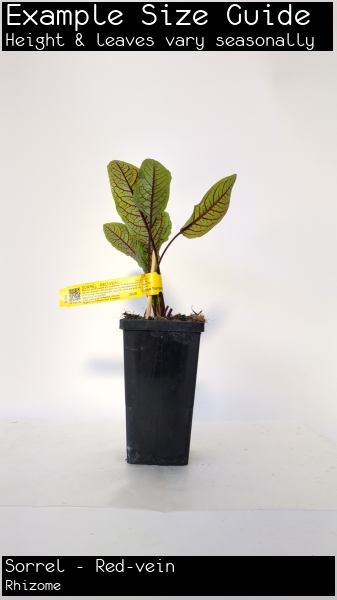
Buy 2+ @$9.75ea usually:$12.90ea
Special
Lilly Pilly - Coolamon
$12.75
A rainforest tree which is a threatened species in the wild. Plant in rich soil with adequate moisture. Attractive red-pink flowers with large white edible fruit formed on the trunk and branches called cauliflorous fruit development. The fruit has the freshness of Granny Smith apples with a somewhat dry texture. Likes to grow in riverine and gully like conditions in low altitude locations. The Coolamon reaches up to 25 - 40m with a 60cm trunk, acts as an excellent riparian zone rehabilitator

Buy 2+ @$12.75ea usually:$18.75ea Aramex Free Freight
Special
Golden penda
$2.90
A highly ornamental tree, native to Nth Qld Rainforests. Beautiful yellow flowers with prominent anthers occuring in winter. Its glossy green leaves makes it an ideal landscape specimen as far south as Sydney.

Buy 4+ @$2.90ea usually:$4.90ea
Special
Melaleuca - Swamp paperbark
$3.40
This tall paper-bark is a common tree around coastal swamp areas. The white flowers appear in terminal spikes. Flowering is between to February to May, with some flower through winter. Warning This species is susceptible to Myrtle Rust (Puccinia psidiisl)It has been observed in the field with moderate to severe damage and will require ongoing treatment to control the rust. For more information follow this link. http://www.dpi.nsw.gov.au/biosecurity/plant/myrtle-rust

Buy 4+ @$3.40ea usually:$4.90ea
Special
Lomandra hystrix - Mat Rush
$13.75
This hardy Bushfood plant has arching strap-like leaves and yellow-green flower spikes in spring. Suited to wet soils and is ideal for use around water features. It prefers part shade though will tolerate full sun. It can also be used indoors and will accept a wide range of soils and climates. Useful for drainage swales and erosion control. Like its cousin Lomandra longifolia the base of the leaves make a tasty snack. Pull the leaves out from the base of the clump and chew the white fleshy base of them, they taste a little like sweet peas. The lusher the growing conditions, the better the taste. Flowers are high in nectar and can be soaked in water for a flavoured, refreshing drink. Mature seed can be ground into a flour to make a damper. The strap-like leaves make great weaving material too.

Buy 4+ @$13.75ea usually:$17.75ea Aramex Free Freight
Special
Eucalyptus - Spotted Gum
$3.40
Hardy and Both the foliage and the trunks are beautiful, making it an ideal choice where the space is available. Well-grown stock should grow quickly, and provide beautiful character within a few years after planting. Hardy and durable timber used for multiple purposes. See http://www.timber.net.au

Buy 4+ @$3.40ea usually:$4.90ea
Special
Callistemon Captain Cook
$9.90
Beautiful display in a dense, bushy shrub of narrow leaves and masses of red flowers in mid to late spring. Grows reliably to 2m. Perfect for hedging and screening. Callistemon 'Captain Cook' was promoted to commemorate the 200th anniversary of Captain James Cook's discovery of the coast of Australia in 1770.

Buy 2+ @$9.90ea usually:$14.90ea
Special
Sheoak - Forest
$3.40
Ornamental, slender, upright, medium sized tree with thick, corky bark and large flat topped seed pods. Handsome weeping tree for home gardens and parks. Important feed tree for the threatened Glossy Black Cockatoo which feeds on seeds. Foliage is gleaned for insects by small insectivorous birds. Suitable to most soils and situations. Fast growing and tolerant of moderate frosts. The timber is reddish pink to brown. It is prized by woodworkers and woodturners as a rare and exotic timber, often used in wood turnings, knife handles and other specialist items. Casuarina are nitrogen fixing plants

Buy 4+ @$3.40ea usually:$4.90ea
Special
Tamarillo - Orange
$12.90
Fast growing small tree that bears heavy crops of sub-acid succulent fruit. This orange selection is usually milder and sweeter than the red tamarillo. Prefers well drained soil in a sheltered position. Also known as Tree Tomato.
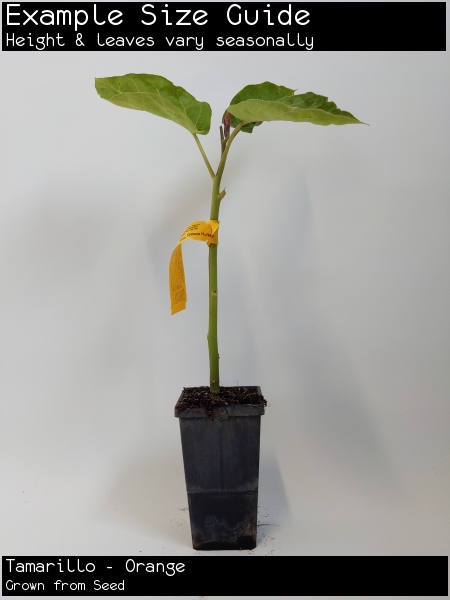
Buy 2+ @$12.90ea usually:$19.90ea
Special
Mint
$5.75
Spreading perennial to 45 cm. Best in separate bed or pot. Pick and use at the last moment as mint aroma dissipates very quickly. Mint is commonly used combined with lamb, carrots, potatoes, peas, pork, yoghurt and in desserts, drinks and herbal teas.
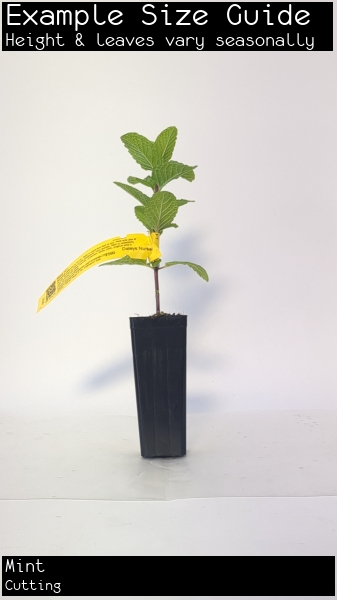
Buy 2+ @$5.75ea usually:$7.75ea
Special
Lemon Balm
$5.90
Lemon balm is a pretty plant that prefers rich moist soil and partial shade. It can tolerate direct sunlight but plants grown in shade tend to be larger and more succulent. It is related to mint in appearance, but it is not as invasive and easier to control. A clump-forming herbaceous perennial with heart shaped, deeply veined leaves that are covered with stiff hairs. Chopped fresh leaves can be used to add zest to sweet or tangy dishes. It combines well with allspice, bay leaves, mint, pepper, rosemary and thyme. A wonderful addition to fruit salads, green salads, herb butters, fruit drinks, sorbets. It can also be used in egg dishes, custards, soups and casseroles. It works well in stuffings for poultry,lamb or pork. Its subtle flavour is a perfect for sauces and marinades for fish.

Buy 4+ @$5.90ea usually:$7.75ea
Special
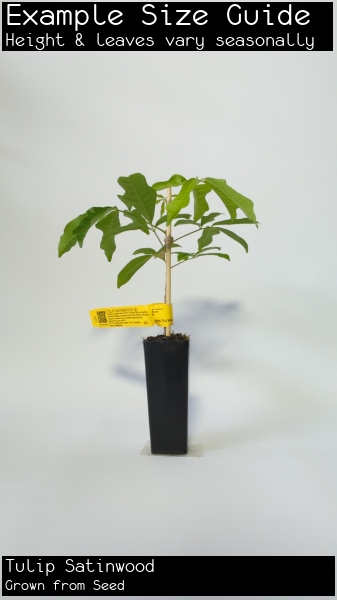
Tulip Satinwood
$2.45
Occurs naturally North N.S.W. to South Qld in dry rainforests. A tree with attractive foliage, red flowers and brown berries. Pale yellow timber valued for cabinet work. Excellent landscape tree.
Buy 8+ @$2.45ea usually:$4.90ea
Special
Native Gardenia
$3.45
Beautiful, evergreen rainforest tree with attractive glossy foliage and structure. Highly perfumed, small, white, tubular flowers, in spring. They also produce a large, edible, yellow fruit which turns brown and soft when ripe. The smooth flesh around the seed can be sucked, it is sweet like dates with a bitter aftertaste. The flesh under the skin is similar with a gritty texture. Ideal for large tubs, shade tree or somewhere the delightful scent of the flowers can be enjoyed.

Buy 4+ @$3.45ea usually:$4.90ea
Special
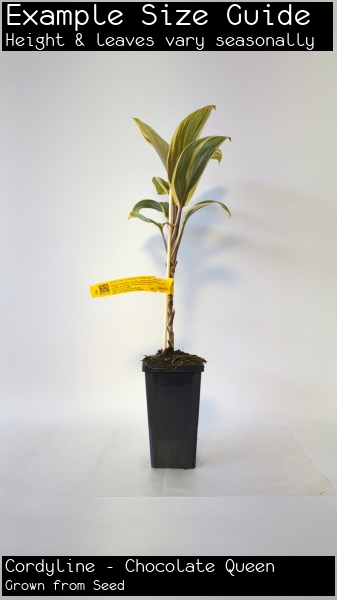
Cordyline - Chocolate Queen
$9.90
Add some tropical flare to your patio containers with this colourful Cordyline. As the leaves mature, they become flushed with chocolate purple and deep red colouring, a true kaleidoscope of colour. The strap-like foliage much wider than is typical, this plant forms an upright stalk of fabulously variegated green leaves striped heavily with cream and white.
Buy 2+ @$9.90ea usually:$19.75ea
Special
Callistemon - Gold-tipped bottlebrush
$3.40
This is a hardy adaptable shrub that has beautiful long lasting bright red flowers with golden tips. Useful as a hedge, windbreak or screening plant it will attract small birds to the garden.

Buy 4+ @$3.40ea usually:$4.90ea
Special
Rosemary
$12.90
A woody perennial herb with aromatic fragrant needle like leaves, native to the Mediterranean region. Rosemary is a member of the mint family, the name rosemary comes from the Latin rosmarinus, meaning dew of the sea, apparently because they are often found growing by the sea.

Buy 2+ @$12.90ea usually:$14.90ea
Special
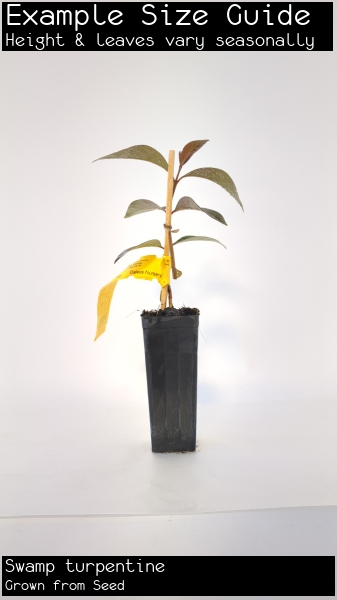
Swamp turpentine
$2.90
Excellent farm tree for shelter and shade. Grows in most soils including swampy situations. Frost resistant. Older trees provide an ideal site for birds and wildlife shelter.
Buy 4+ @$2.90ea usually:$3.90ea
Special
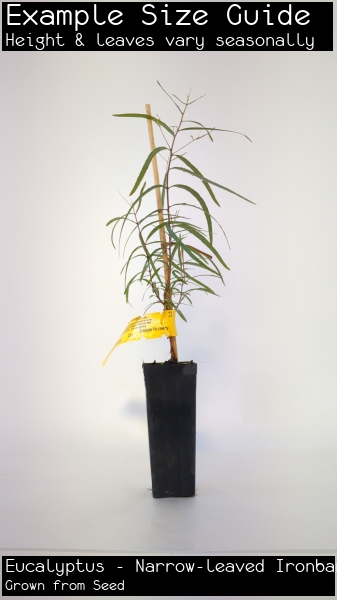
Eucalyptus - Narrow-leaved Ironbark
$2.95
An erect tree with hard deeply furrowed black persistent bark and narrowed drooping leaves. One of the important commercial timbers of Qld with hard reddish durable timber used for heavy construction. A slower growing eucalypt.
Buy 4+ @$2.95ea usually:$4.90ea
Special
Vietnamese Mint
$4.50
This herb is not a member of the mint family despite the familiar appearance and scent. Commonly eaten fresh in salads, soups and stews. A perennial plant that grows best in tropical and subtropical where it likes a moist position.

Buy 4+ @$4.50ea usually:$5.75ea